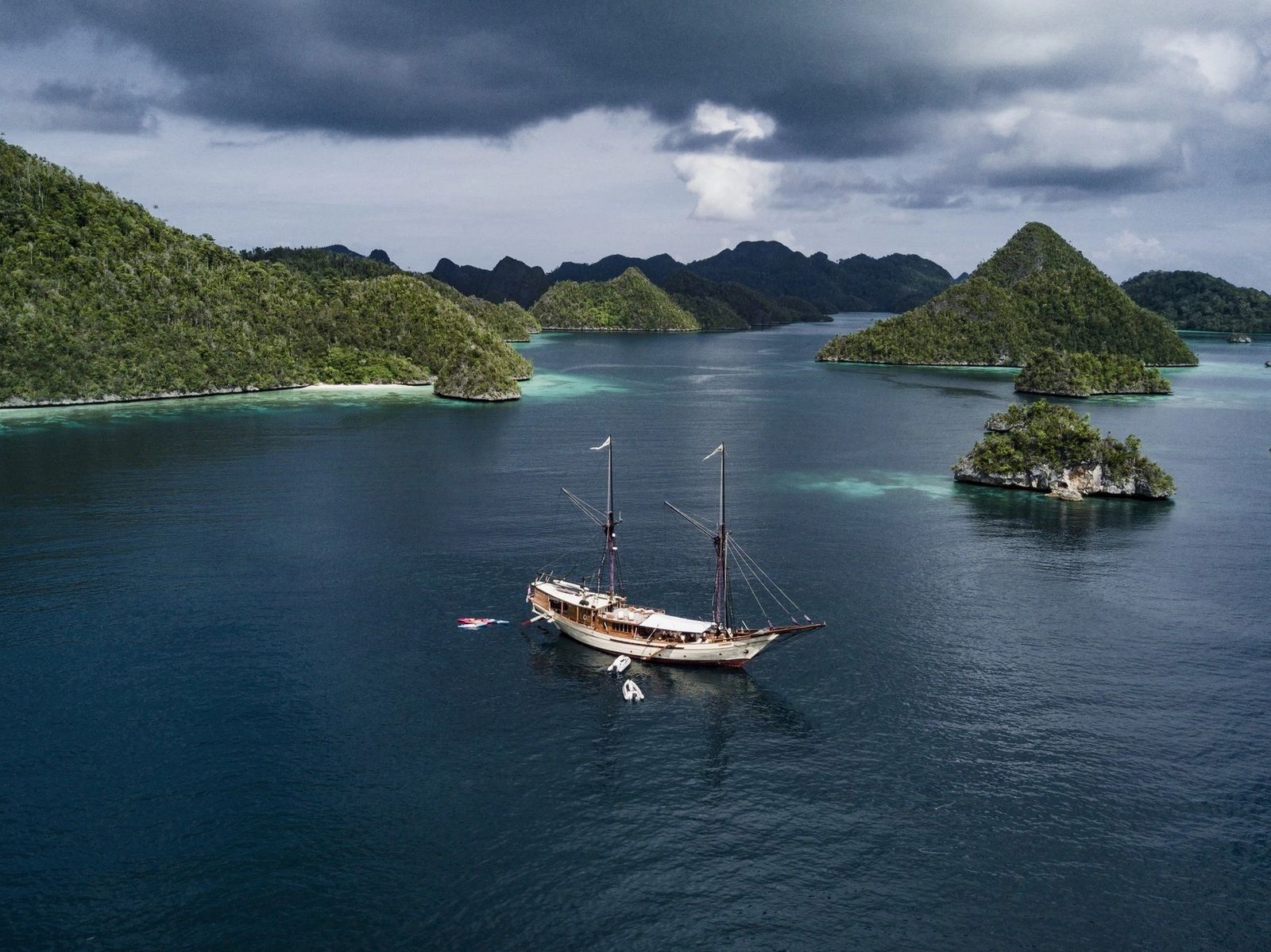
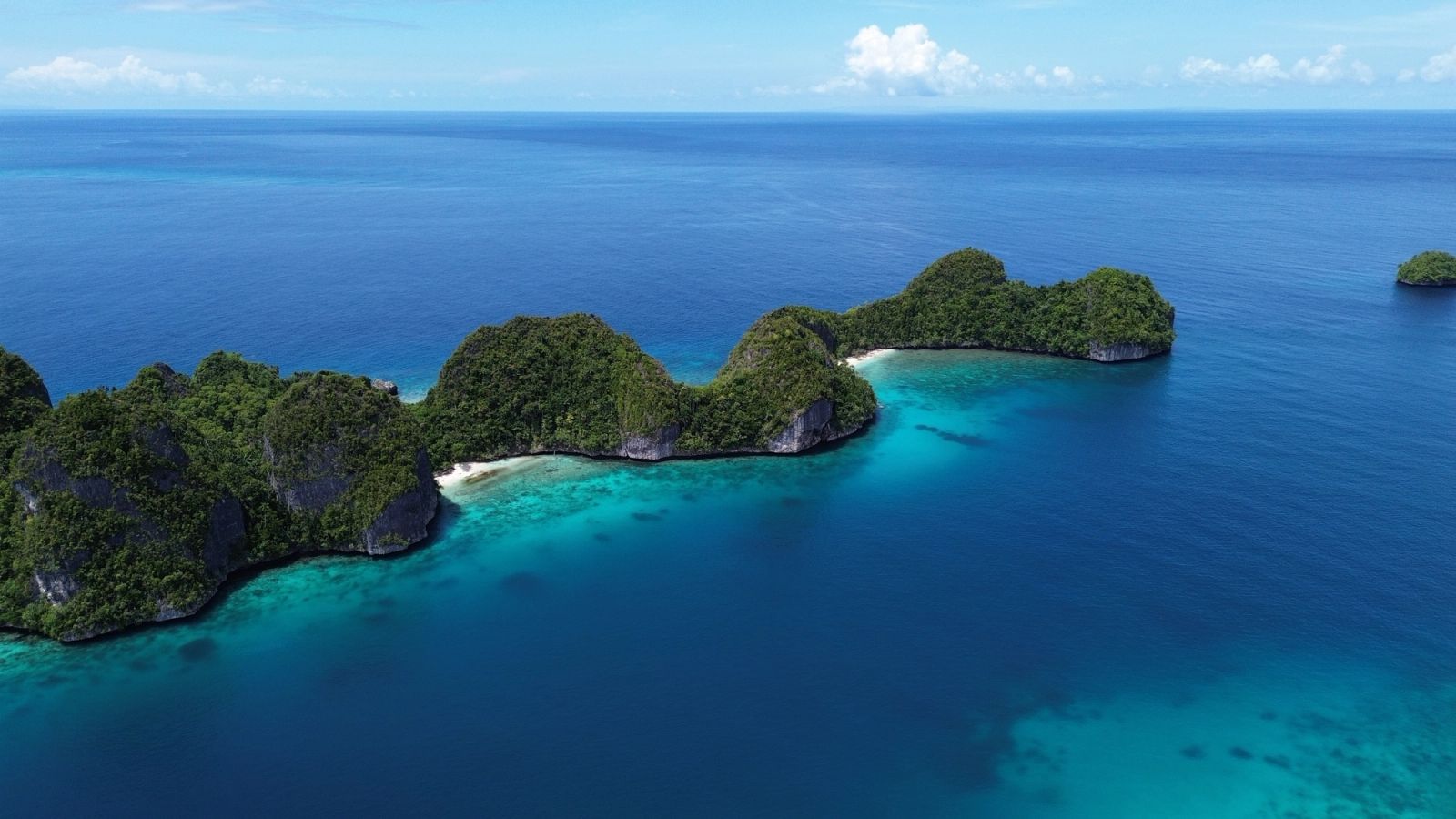
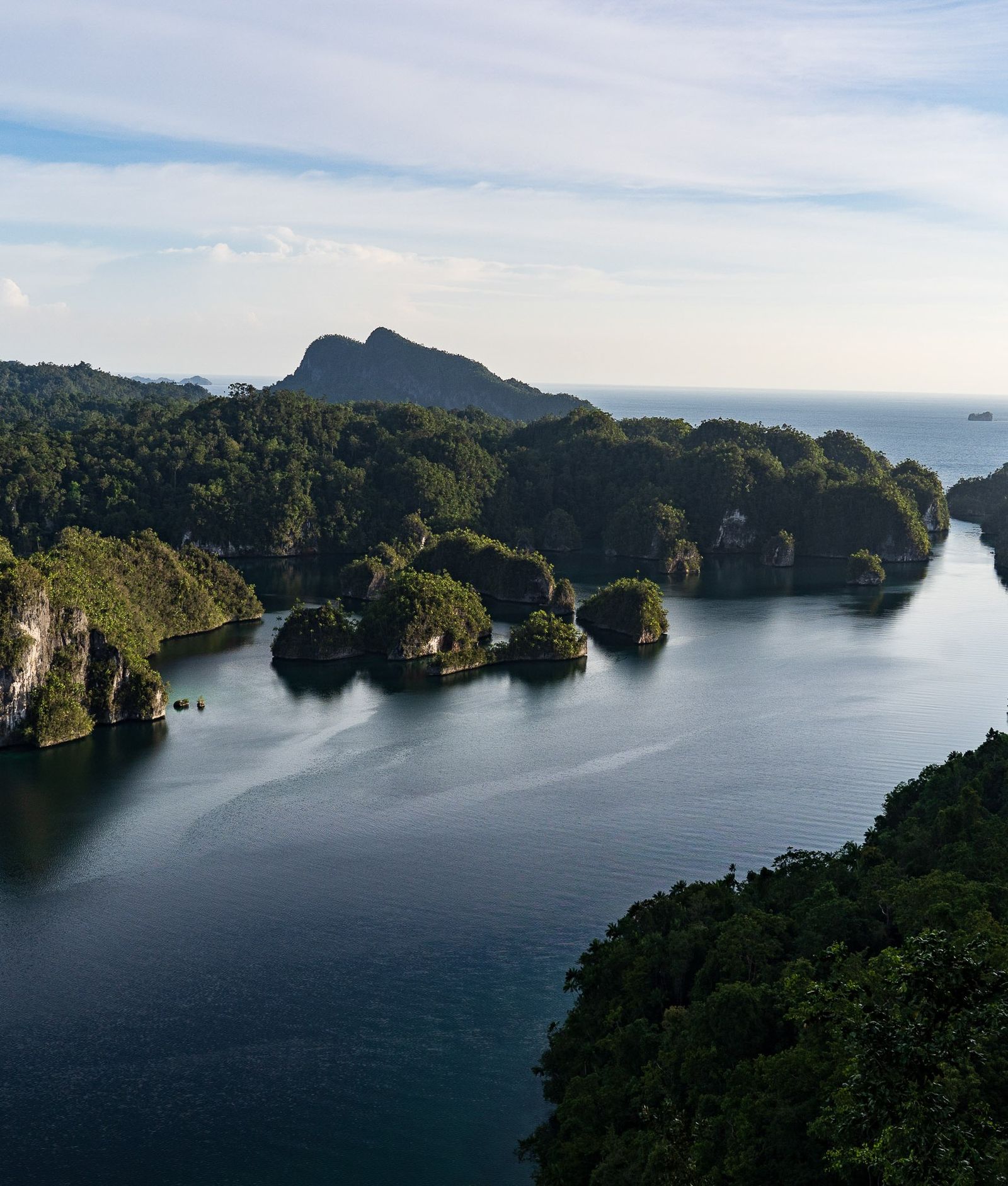
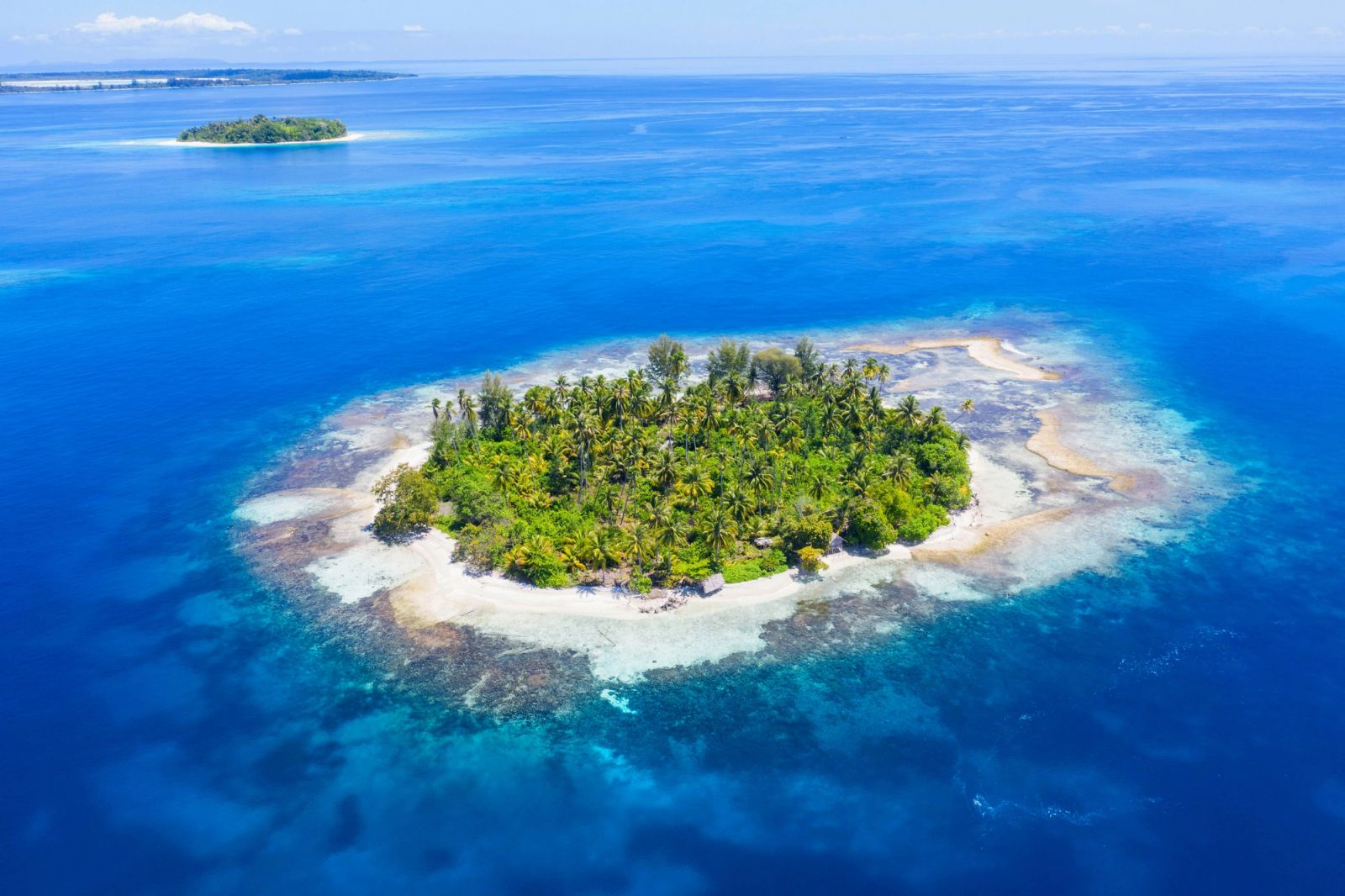
Cenderawasih Bay is one of the least-visited marine environments on Earth. Spanning more than 1.5 million hectares of protected ocean along West Papua's northern coastline, it is Indonesia's largest national marine park. Most of it has never been dived.
The name itself is a promise. Cenderawasih means bird-of-paradise in the local tongue, an allusion to the rare and flamboyant birds that inhabit the surrounding rainforest. Below the surface, the bay lives up to the name: coral gardens, vertical walls, WWII wrecks, and an abundance of marine life that shows how undisturbed this place remains.
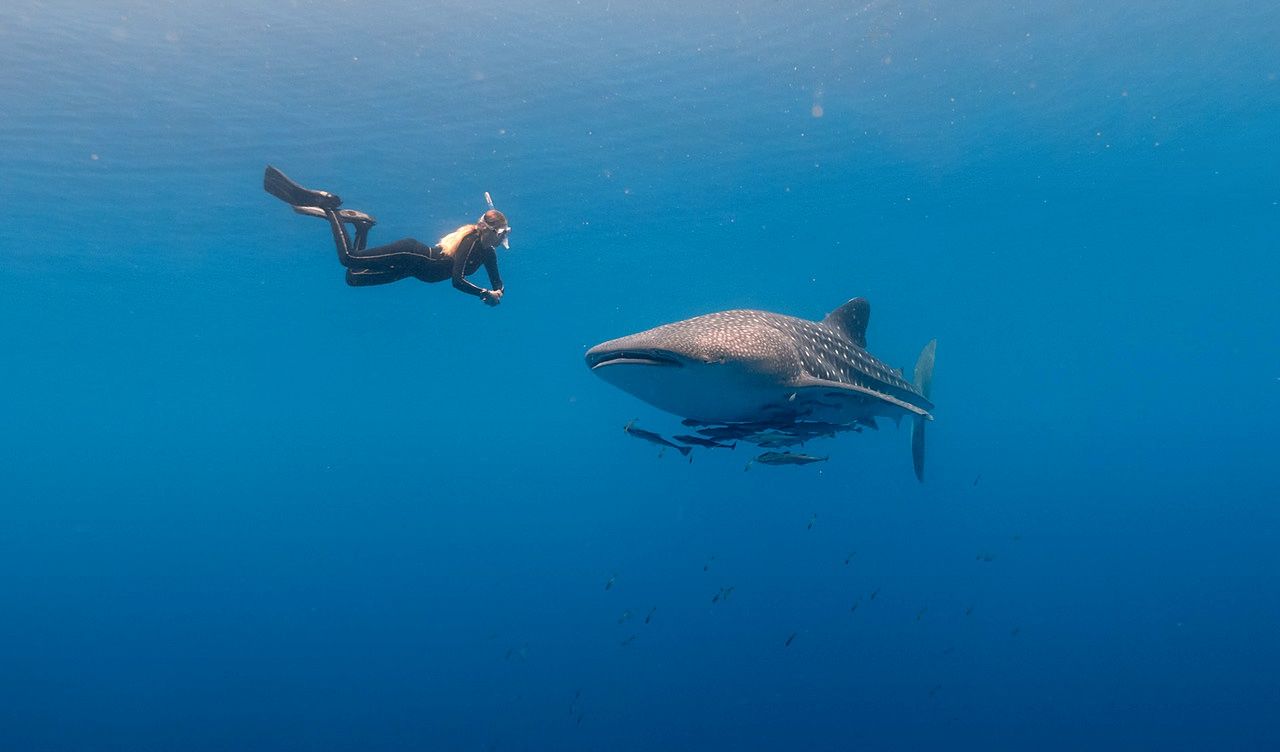
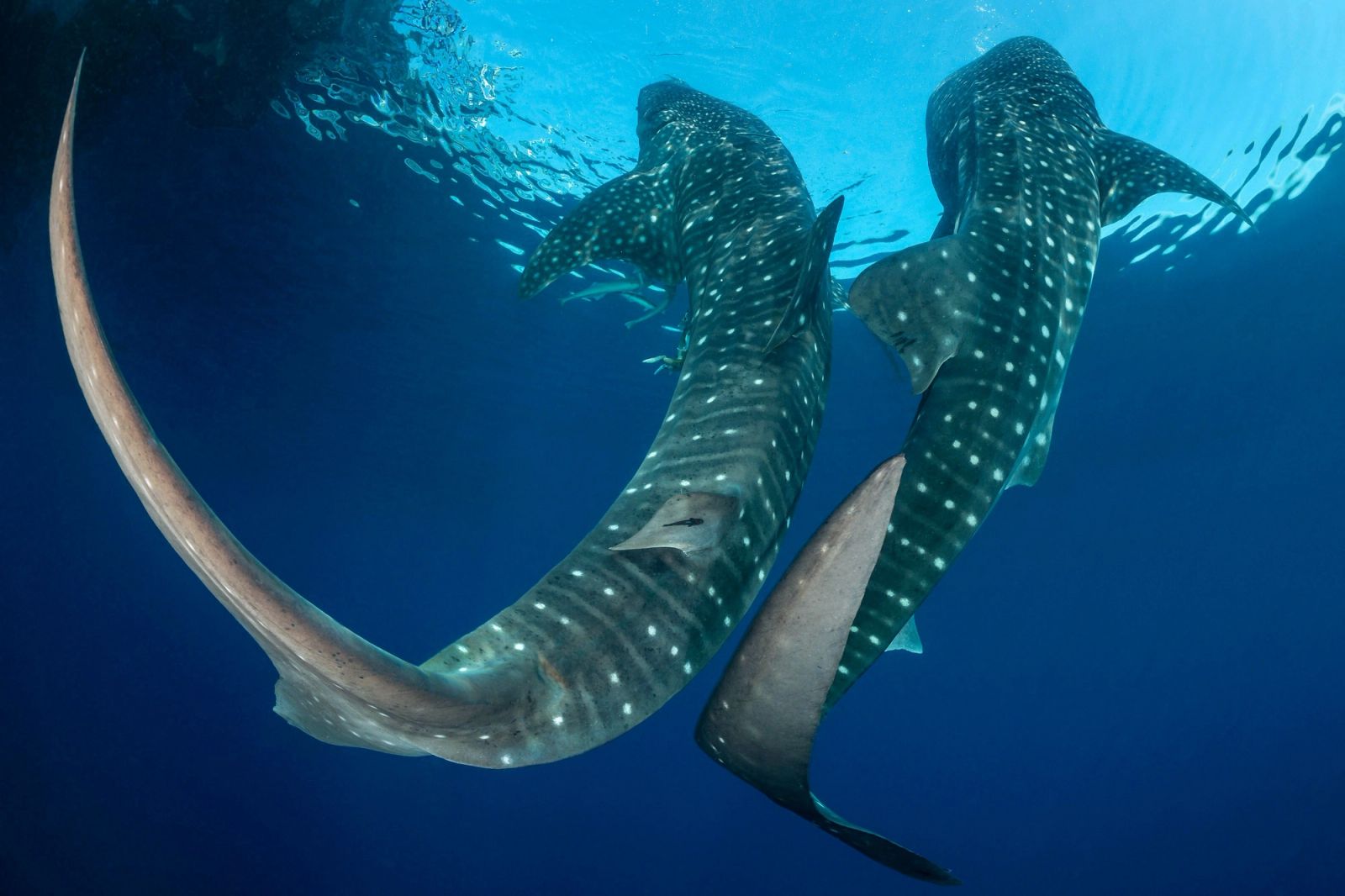
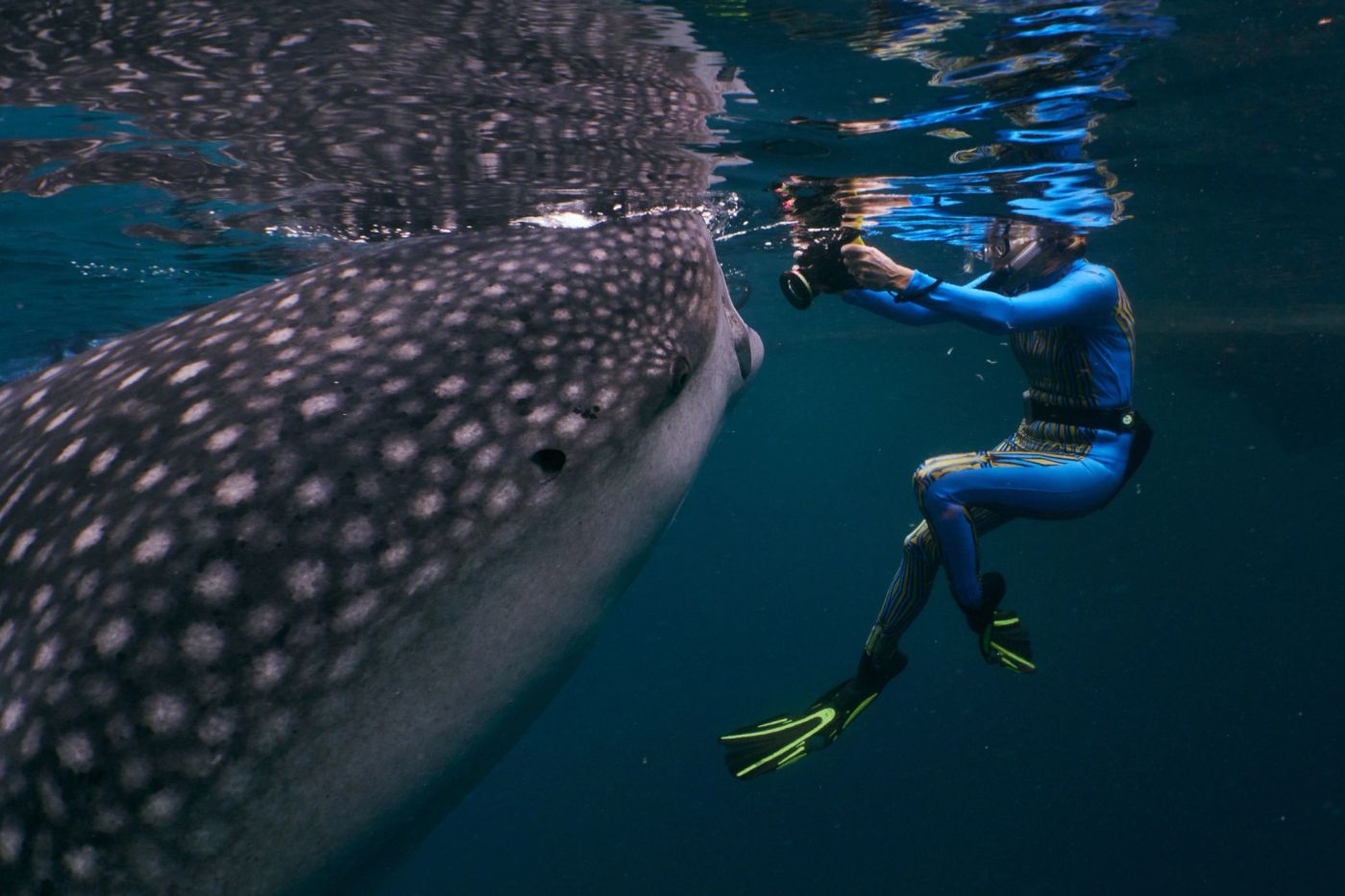
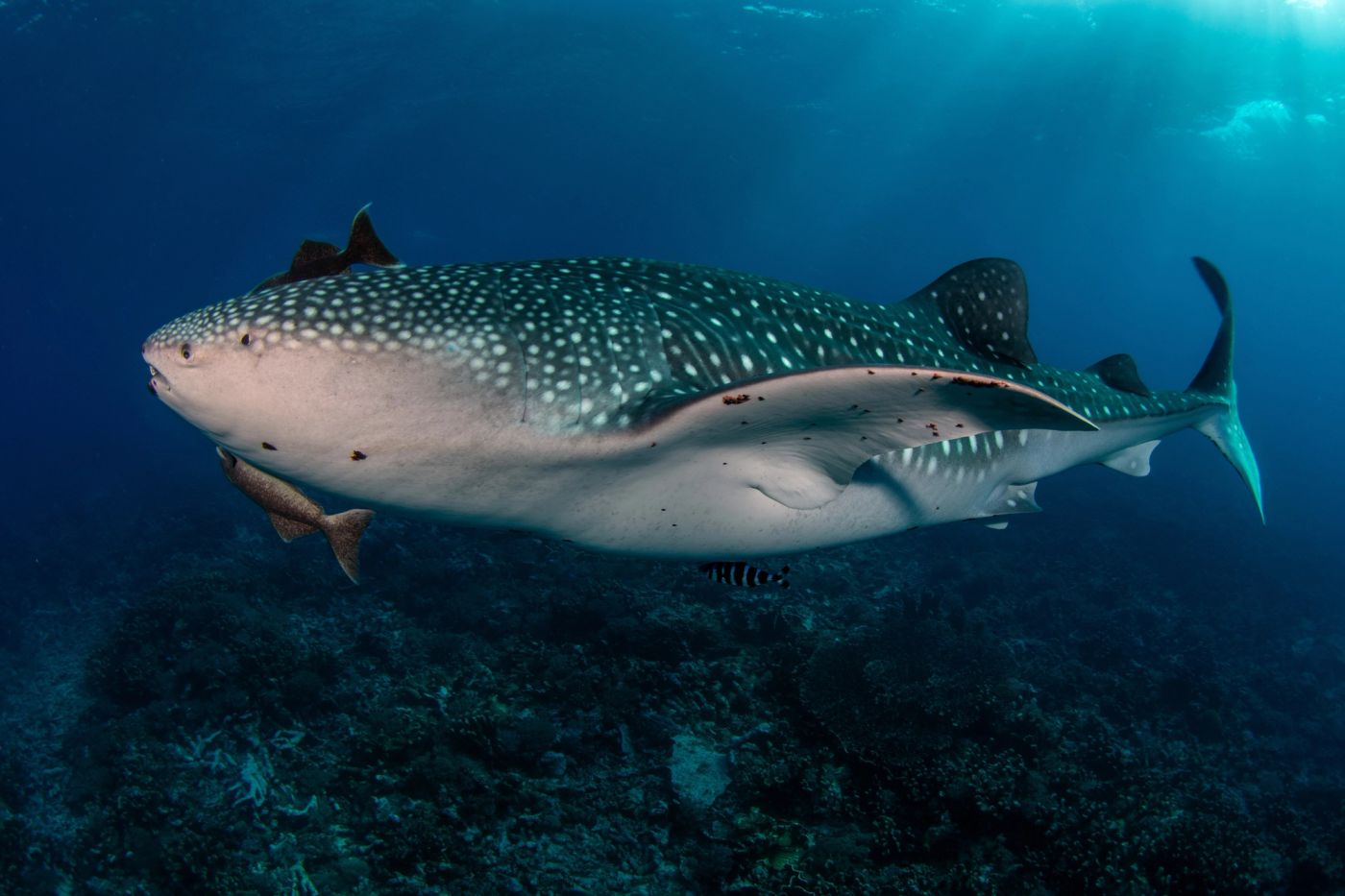
What draws serious travelers here, though, is simpler. Whale sharks. The waters around Kwatisore Bay host one of the most reliable and intimate whale shark encounters anywhere on the planet. Gentle giants rise each morning to feed alongside the local fishing platforms, so accustomed to human presence that encounters feel less like wildlife watching and more like an unhurried meeting with something enormous and calm.
Cenderawasih developed over thousands of years as a marine system cut off from the ocean around it. The absence of outside currents produced endemic species and still produces unusual behavior in the larger deep-water animals, which is why whale sharks that feed alone across most of the world's oceans gather here in tens beneath the fishing platforms. Alfred Russel Wallace spent months in these forests in pursuit of the birds the bay is named for, and a century later so did David Attenborough. The coast is largely unpopulated, and the rainforest and its birds remain undisturbed and largely undocumented.