West Papua, Indonesia

Raja Ampat

The heart of the Coral Triangle, and the richest reefs on earth, spread across more than fifteen hundred islands.

West Papua, Indonesia
75% of Global Coral
Species Found Here
1,600+ Fish Species
Record Biodiversity
Nov to Mar
Season
40,000 km²
Marine Protected Area
75% of Global Coral
Species Found Here
1,600+ Fish Species
Record Biodiversity
Nov to Mar
Season
40,000 km²
Marine Protected Area
01

The World's Most Biodiverse Marine Ecosystem

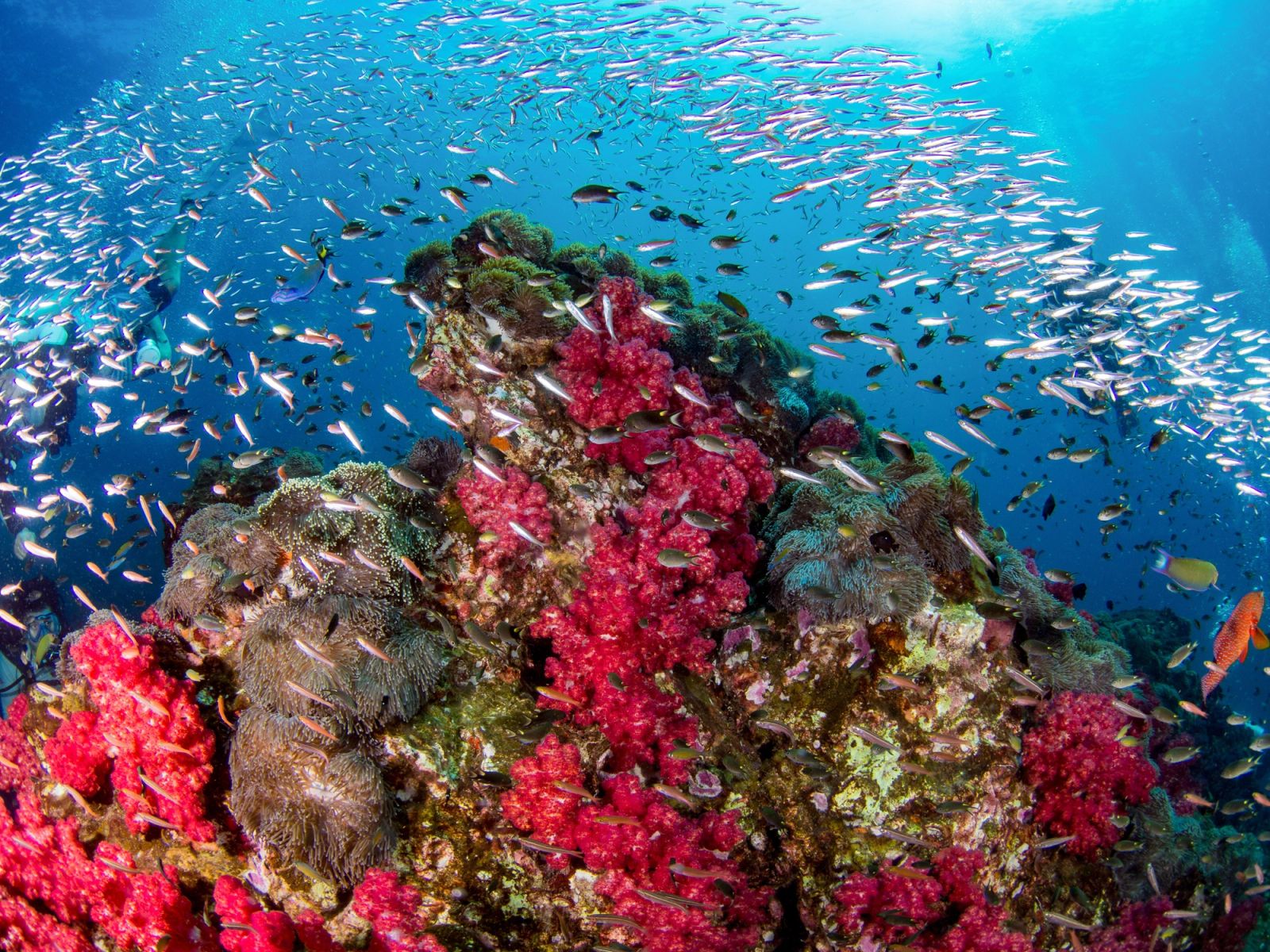
Raja Ampat sits at the heart of the Coral Triangle, the global center of marine biodiversity. The archipelago counts more than 1,500 islands across 40,000 square kilometers off the Bird's Head Peninsula of West Papua. These waters contain 75% of all known coral species (over 600), more than 1,600 reef fish species, and the densest marine life on the planet.

At Cape Kri in 2012, the ichthyologist Gerald Allen recorded 374 fish species on a single dive, a world record. Raja Ampat's reefs hold more fish species than the entire Caribbean Sea. After a survey expedition, National Geographic called the region simply "Ultramarine."

What sustains it is convergence. The Pacific and Indian Oceans meet here, channeling nutrient-rich water through the straits between Waigeo, Batanta, Salawati, and Misool. The currents feed the food chain. The food chain feeds everything else.

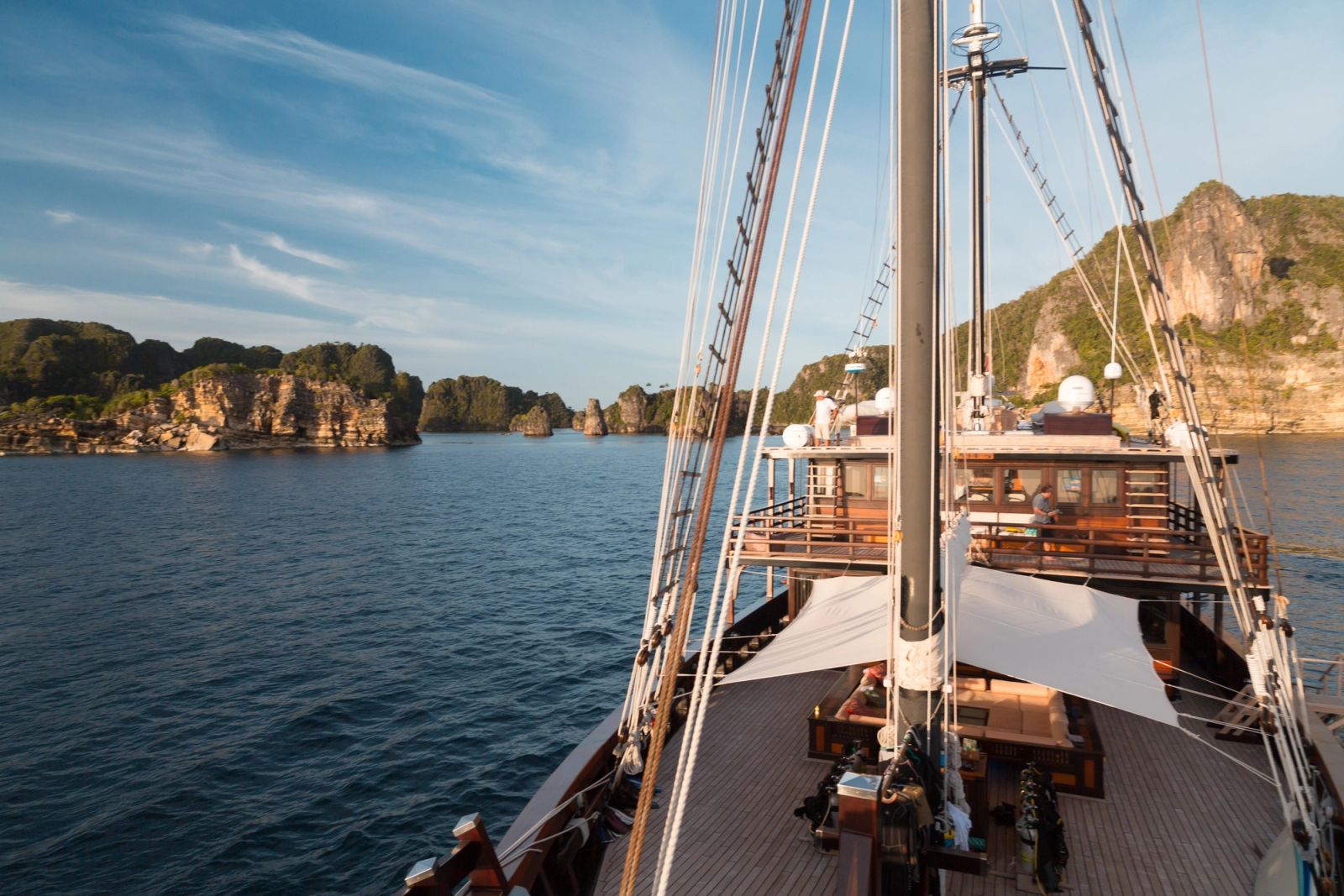
The earliest record of a visitor is a Portuguese navigator's notes from 1526. Ships passed through for centuries as the spice trade grew, but the islands had nothing colonizers wanted and were left alone, which is why the reefs and the villages are what they are. Alfred Russel Wallace came through in the 1860s looking for the red bird-of-paradise. A charter here still retraces him at dawn.


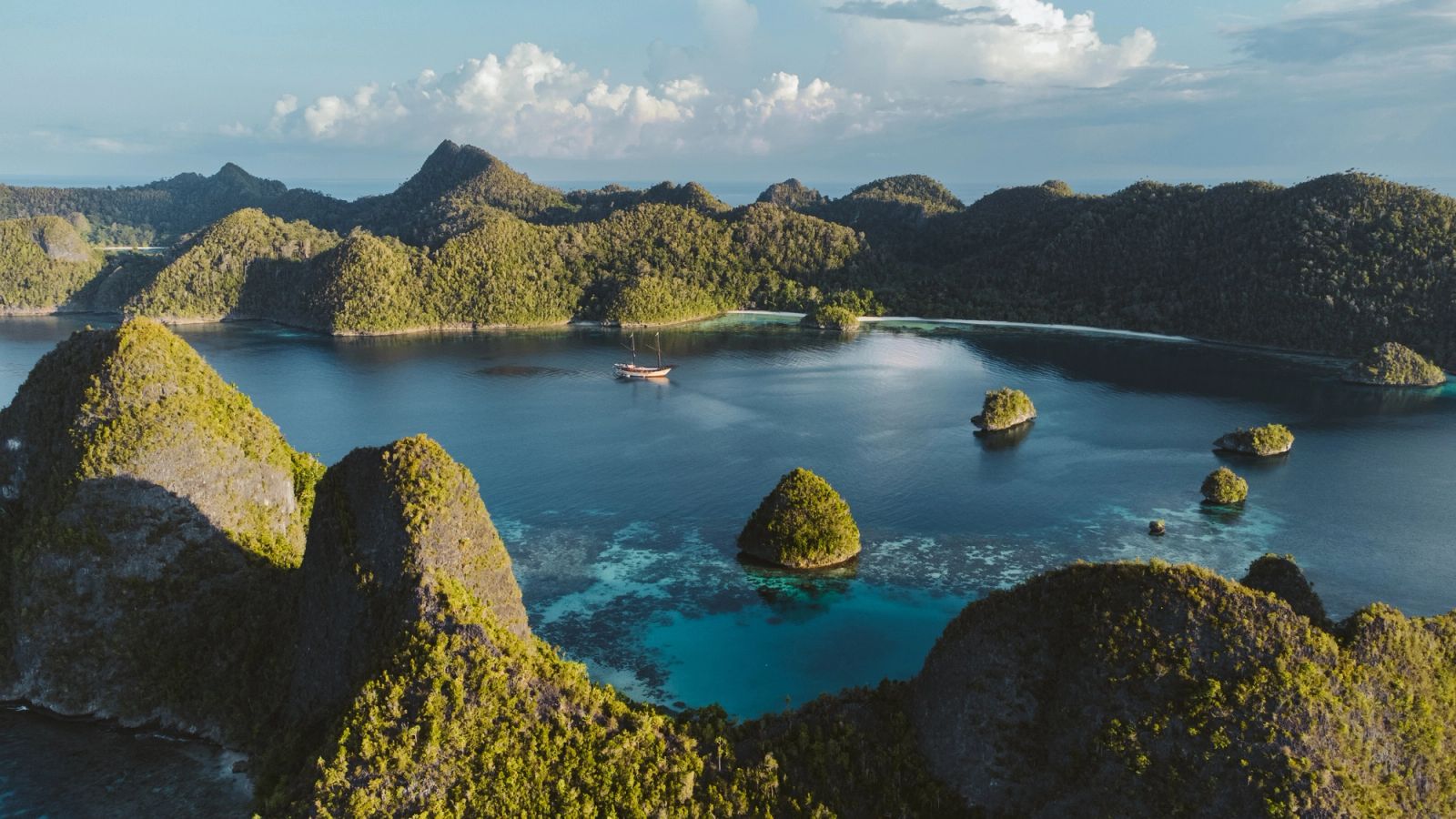
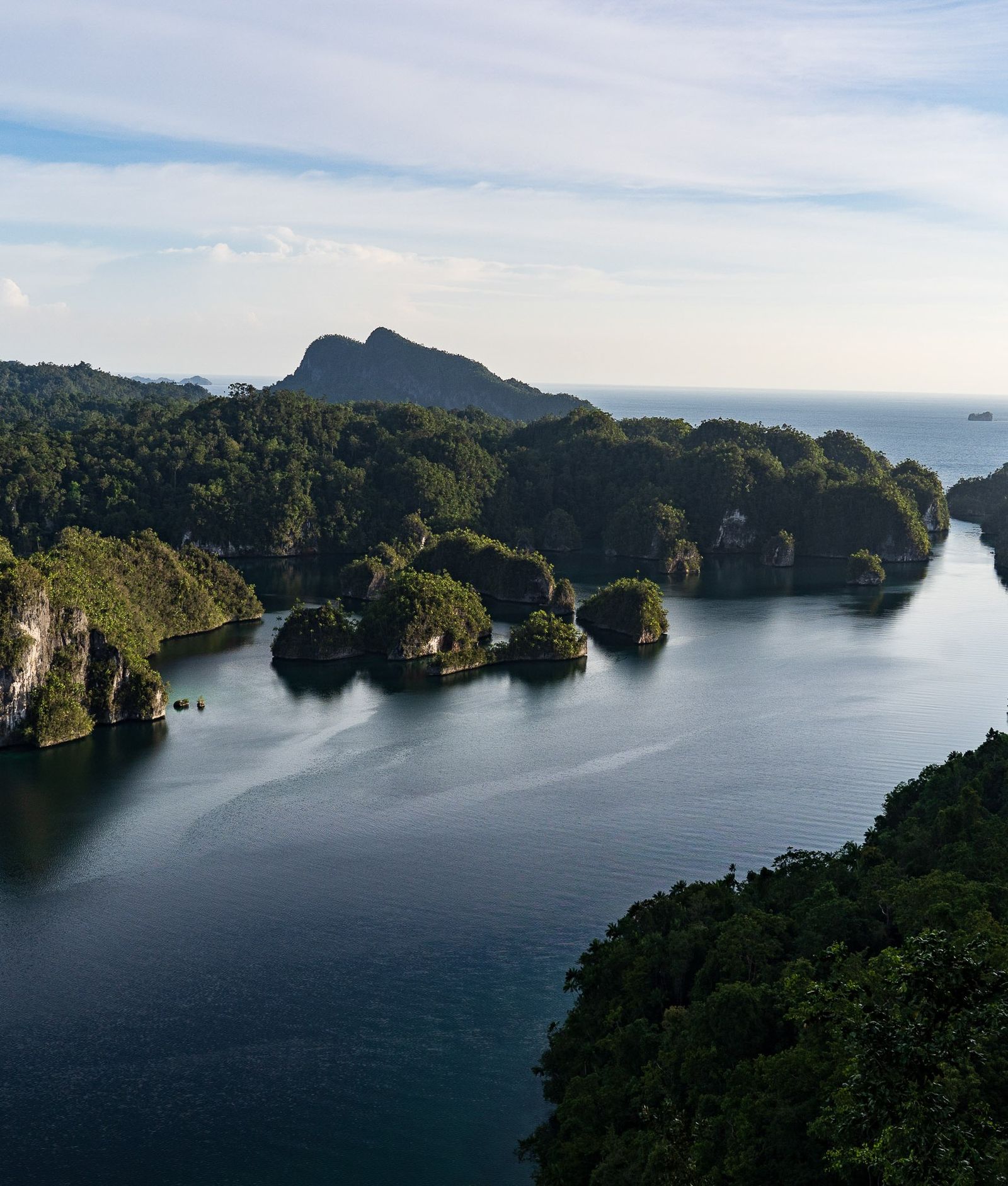
Karst islands and shallow reef lagoons in eastern Misool, seen from above.
02

Why Raja Ampat Is Different

Convergence Zone: Raja Ampat sits where the Pacific and Indian Oceans meet, creating nutrient-rich upwellings that support immense productivity. The currents that flow through channels like the Dampier Strait bring constant supplies of plankton, attracting filter-feeding mantas and fueling the entire food chain.

Isolation: The region's remoteness has protected it from the overfishing and development that degraded reefs elsewhere. Traditional Papuan communities have practiced sustainable fishing for generations, and modern marine protected areas now formalize that protection.

Habitat Diversity: Within a single anchorage, you might find coral walls, mangrove forests, seagrass beds, and sandy slopes, each supporting distinct communities. This habitat variety translates directly into species diversity.

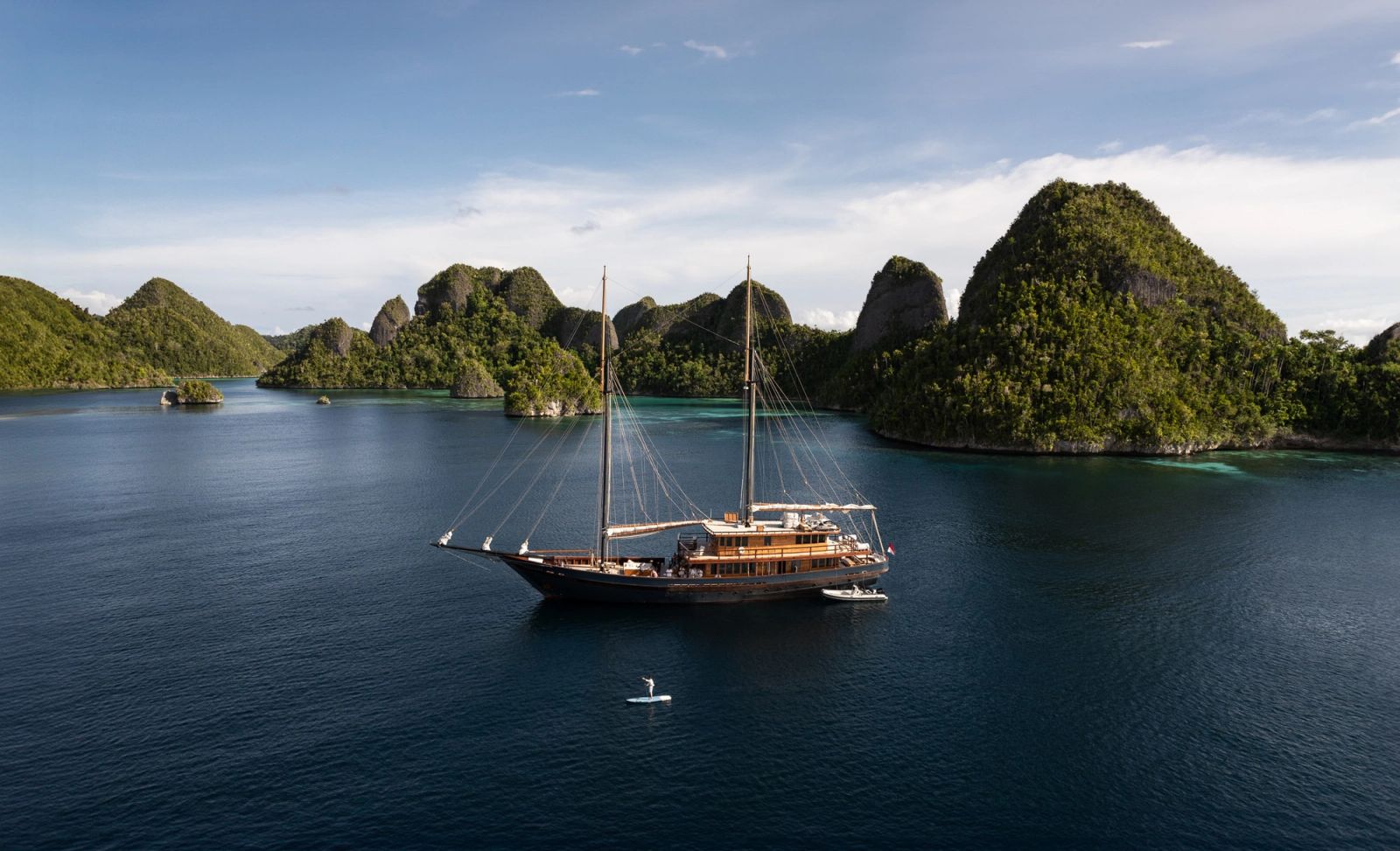
Limestone islands mirrored in a still Wayag lagoon, the land side of Raja Ampat.
03

Beyond the Underwater World

While the diving draws most visitors, Raja Ampat's terrestrial beauty is equally striking. The karst limestone formations of Wayag, mushroom-shaped islands cloaked in dense vegetation and rising from turquoise lagoons, have become Indonesia's most photographed seascape.

The region is also home to Wilson's Bird-of-Paradise and the Red Bird-of-Paradise, endemic species found nowhere else on Earth. Local guides arrange predawn hikes to witness their courtship displays, which take place reliably between 5:30am and 7am.

The hidden lagoon at Balbulol in Misool, the southern kingdom.
The Four Kingdoms

Exploring Raja Ampat's Regions

Raja Ampat's four main island groups (Waigeo, Batanta, Salawati, and Misool) each offer distinct experiences. A well-planned itinerary weaves between them, balancing dive sites with island exploration and cultural encounters.

Central Raja Ampat

Central Raja Ampat

Dampier Strait & Fam Islands

The most accessible and dive-rich region. The Dampier Strait between Waigeo and Batanta hosts the highest concentration of headline dive sites, including Cape Kri, Blue Magic, and the manta cleaning stations at Manta Sandy and Manta Ridge.

Manta Stations Cape Kri Piaynemo Viewpoint
Northern Raja Ampat

Northern Raja Ampat

Wayag & Waigeo

Mushroom-shaped karst islands rising from turquoise lagoons. The Wayag viewpoint hike reveals one of the world's most photographed seascapes. Waigeo's western coast offers bird-of-paradise treks at dawn.

Wayag Viewpoint Bird-of-Paradise Karst Lagoons
Southern Raja Ampat

Southern Raja Ampat

Misool

Remote and protected, Misool feels like a world apart. Dramatic karst formations hide secret lagoons, ancient rock art adorns cliff faces, and the diving features exceptional soft coral coverage.

Magic Mountain Soft Coral Hidden Lagoons
Dive Sites

Raja Ampat's Signature Dive Sites

Sixteen sites across the archipelago, from the world-record reef at Cape Kri to the soft-coral walls of Misool. Many are accessible to snorkelers as well, with healthy reef close enough to the surface that you do not need a tank to see what makes Raja Ampat famous.

Central, Dampier Strait

Central, Dampier Strait

Cape Kri

World record holder: 374 fish species counted on a single dive.

World Record Schools
Central, Dampier Strait

Central, Dampier Strait

Manta Sandy

Sandy bottom cleaning station with reliable manta encounters.

Mantas Snorkeling
Central, Dampier Strait

Central, Dampier Strait

Blue Magic

Submerged pinnacle attracting pelagics, mantas, and sharks.

Pelagics Advanced
Central, Fam Islands

Central, Fam Islands

Melissa's Garden

Hard coral garden with exceptional table coral coverage.

Coral Snorkeling

Biodiversity

What You'll See

Raja Ampat's marine life encounters range from the microscopic to the majestic. Here's what to expect on a typical voyage.

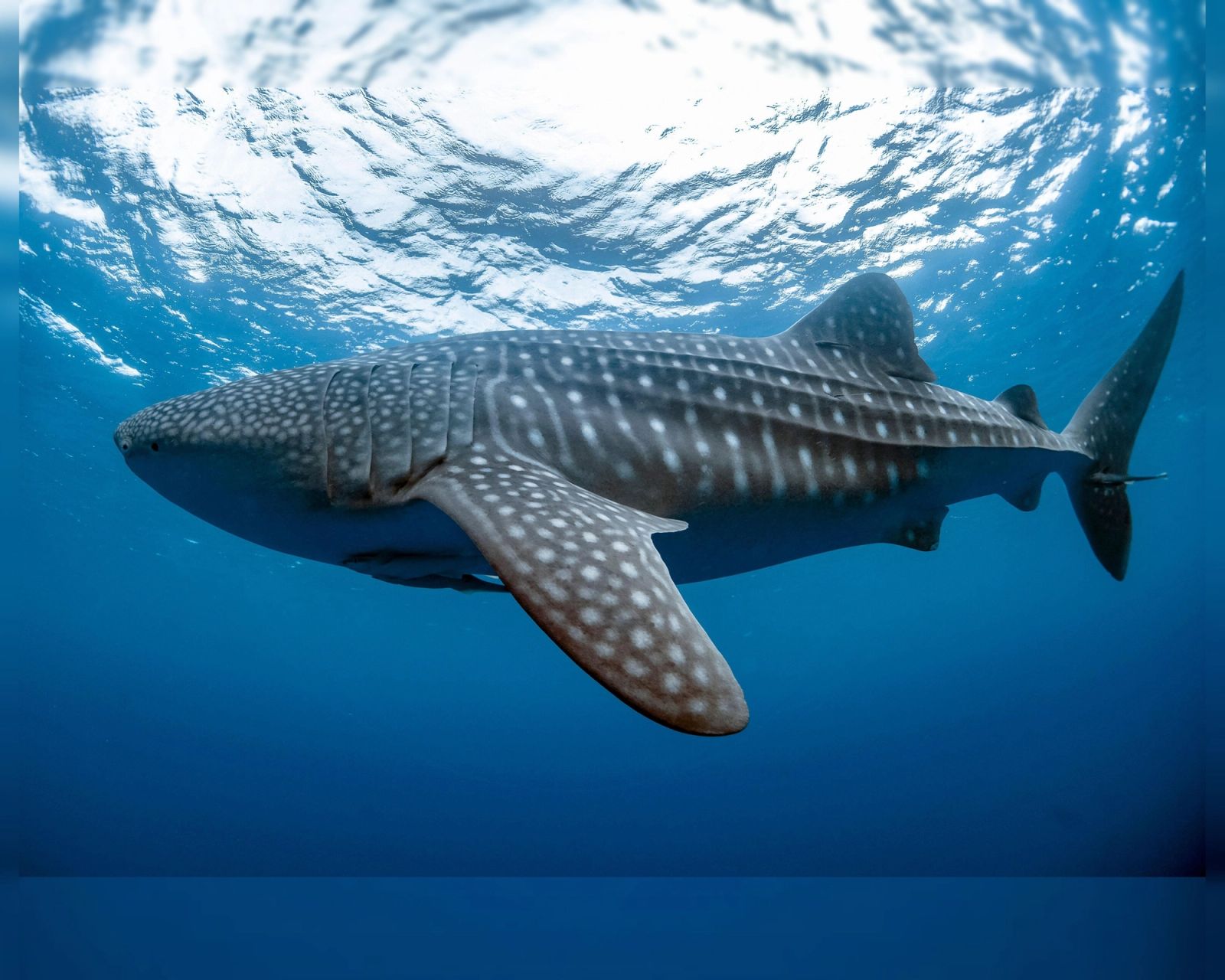
Mobula alfredi & Mobula birostris

Manta Rays

Mobula alfredi & Mobula birostris

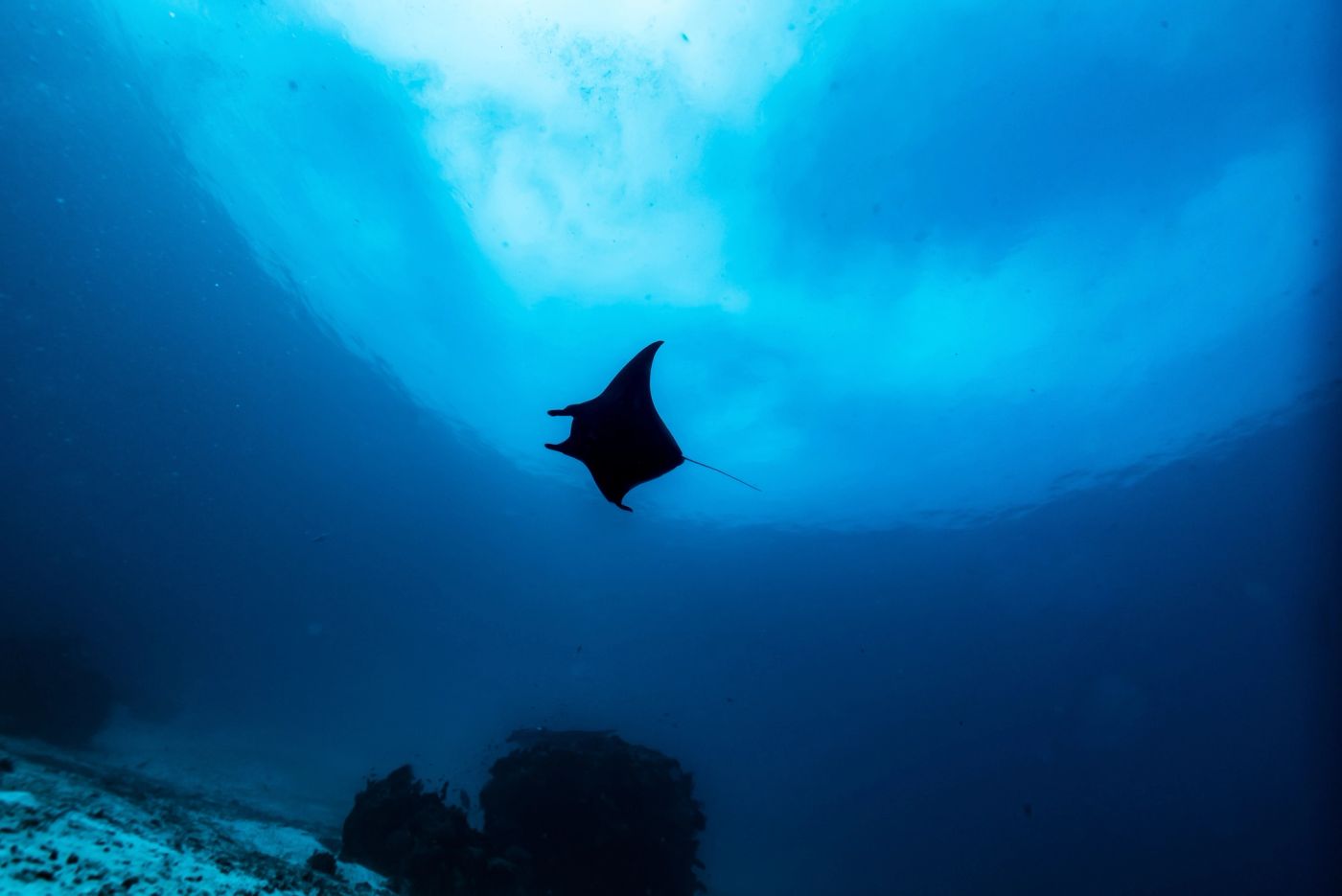
Both reef and oceanic mantas frequent cleaning stations. Wingspans exceeding 5 meters regularly recorded.

Orectolobus spp.

Wobbegong Sharks

Orectolobus spp.

Carpet sharks tucked under coral ledges, a Raja Ampat specialty. Look carefully on every dive.

Hemiscyllium spp.

Walking Sharks

Hemiscyllium spp.

Endemic epaulette sharks that "walk" on pectoral fins. Emerge at night on shallow reefs.

Hippocampus bargibanti & H. denise

Pygmy Seahorses

Hippocampus bargibanti & H. denise

Multiple species smaller than your fingernail, camouflaged on sea fans.

Limestone formations

Karst Pinnacles

Limestone formations

Mushroom-shaped islands rising from turquoise lagoons, one of Indonesia's most photographed seascapes.

Dendronephthya spp.

Soft Coral Gardens

Dendronephthya spp.

Misool's signature: walls in shades of pink, purple, orange, and red.

Cicinnurus respublica & Paradisaea rubra

Birds-of-Paradise

Cicinnurus respublica & Paradisaea rubra

Wilson's and Red Birds-of-Paradise display at dawn, endemic species found nowhere else.

Chelonia mydas & Eretmochelys imbricata

Sea Turtles

Chelonia mydas & Eretmochelys imbricata

Green and hawksbill turtles on virtually every dive. Nesting beaches protected throughout.

The Numbers

  • 1,600+ fish species documented
  • 600+ coral species (75% of world's known species)
  • 700+ mollusk species identified
  • 57 mantis shrimp species (more than entire Caribbean)
  • 13 endemic marine species

From the Charter Team

Know Before You Sail

Practical notes for a Raja Ampat charter.

Timing the Dampier Strait

Timing the Dampier Strait

The best manta encounters happen when the current flows into the cleaning stations. We monitor tides and position the yacht to hit sites at optimal times.

Finding Walking Sharks

Finding Walking Sharks

Raja Ampat's endemic walking sharks emerge on shallow reefs after dark, but only on certain reef flats and at certain tides. We know the spots.

Wayag Without Crowds

Wayag Without Crowds

We arrive at Wayag early in the morning, before the day boats from Waisai, or late in the afternoon when others have left. The light is better and the lagoons are quieter.

Bird-of-Paradise Timing

Bird-of-Paradise Timing

Wilson's and Red Birds-of-Paradise display at dawn, typically 5:30am to 7am. We coordinate with village guides who know exactly where the males are displaying that week.

Protected Anchorages

Protected Anchorages

When the wind picks up, knowing where to shelter makes the difference. We have mapped protected bays throughout the four kingdoms.

Beyond the Famous Sites

Beyond the Famous Sites

Raja Ampat has hundreds of unnamed sites that rival Cape Kri. Tell us what you want to see, and we will plan around it.

Planning

When to Visit Raja Ampat

Month Conditions Visibility Mantas
January Excellent 25-35m High
February Excellent 25-35m High
March Very Good 20-30m High
April Very Good 20-30m High
May Variable 15-25m Medium
Jun to Aug Challenging 10-20m Low
September Improving 15-25m Medium
October Excellent 25-35m High
November Excellent 25-35m High
December Excellent 25-35m High

Optimal Season: November through March

The dry season brings calm seas, excellent visibility (often 30+ meters), and reliable conditions across all regions. This is when Raja Ampat delivers its best: mantas feeding in the Dampier Strait, clear water for photography, and comfortable crossings to Wayag and Misool.

December through February represents peak season. Weather is most stable, visibility is exceptional, and manta activity reaches its height.

November offers excellent conditions with fewer boats. March and April see conditions gradually shifting but still very good diving.

Shoulder Season: May & September

Conditions vary year to year. May can offer excellent diving before the southerly winds build. September improves as the monsoon weakens and the dry season returns.

A Note on Off-Season (June through August)

Strong southerly winds create challenging conditions from June through August. We generally recommend redirecting to Komodo during this window, where the dry-season conditions are at their best.

Travel Logistics

How to Get to Raja Ampat

From Singapore

10 hrs , 1 stop

From Hong Kong

12 hrs , 1 stop

From Dubai

14 hrs , 1 stop

From Sydney

18 hrs , 1 stop

From London

21 hrs , 2 stops

From Los Angeles

21 hrs , 2 stops

From New York

29 hrs , 2 stops

Reaching Sorong

Sorong is the gateway, a short ride from the domestic airport to the port, and the yacht's tender meets guests at the jetty. Sorong itself has little to offer a visitor, and we do not plan time there. Flights arrive from Jakarta and Makassar, and the usual route from Bali is an evening flight to Makassar, a night at the airport hotel and an early connection that lands in Sorong around 6:30 in the morning, in time to board and sail the same day. We book every leg and meet every flight.

Many guests stop overnight in Singapore, Hong Kong, or Bali to break up the journey. Our team handles flight recommendations, transfers, and permit purchases.

Private Aviation

Private flights can be arranged from Singapore, Hong Kong, Jakarta, or Bali. International arrivals clear customs in Balikpapan or Manado before continuing to Sorong.

SOQ gateway Airport · 10 min to Harbor

Read the full guide
"

"Raja Ampat is like diving in an aquarium, except every aquarium you've ever seen was just a pale imitation of what exists here naturally.

Indo Yachts Charter Team

Questions

Raja Ampat FAQ

What's the best time to visit Raja Ampat?

November through March offers optimal conditions: calm seas, 25-35m visibility, and peak manta activity. December through February is the peak window. Strong southerly winds make June through August generally unworkable. We redirect charters to Komodo during those months, where the dry-season conditions are at their best. Raja Ampat also sees fewer visitors than Komodo, spread across an area roughly twenty times larger.

How much does a Raja Ampat charter cost?

Private Raja Ampat charters typically range from $34,000 to $190,000 per week for the whole yacht, depending on yacht size, season, and itinerary. Every charter is a private, whole-yacht booking.

Is Raja Ampat good for non-divers?

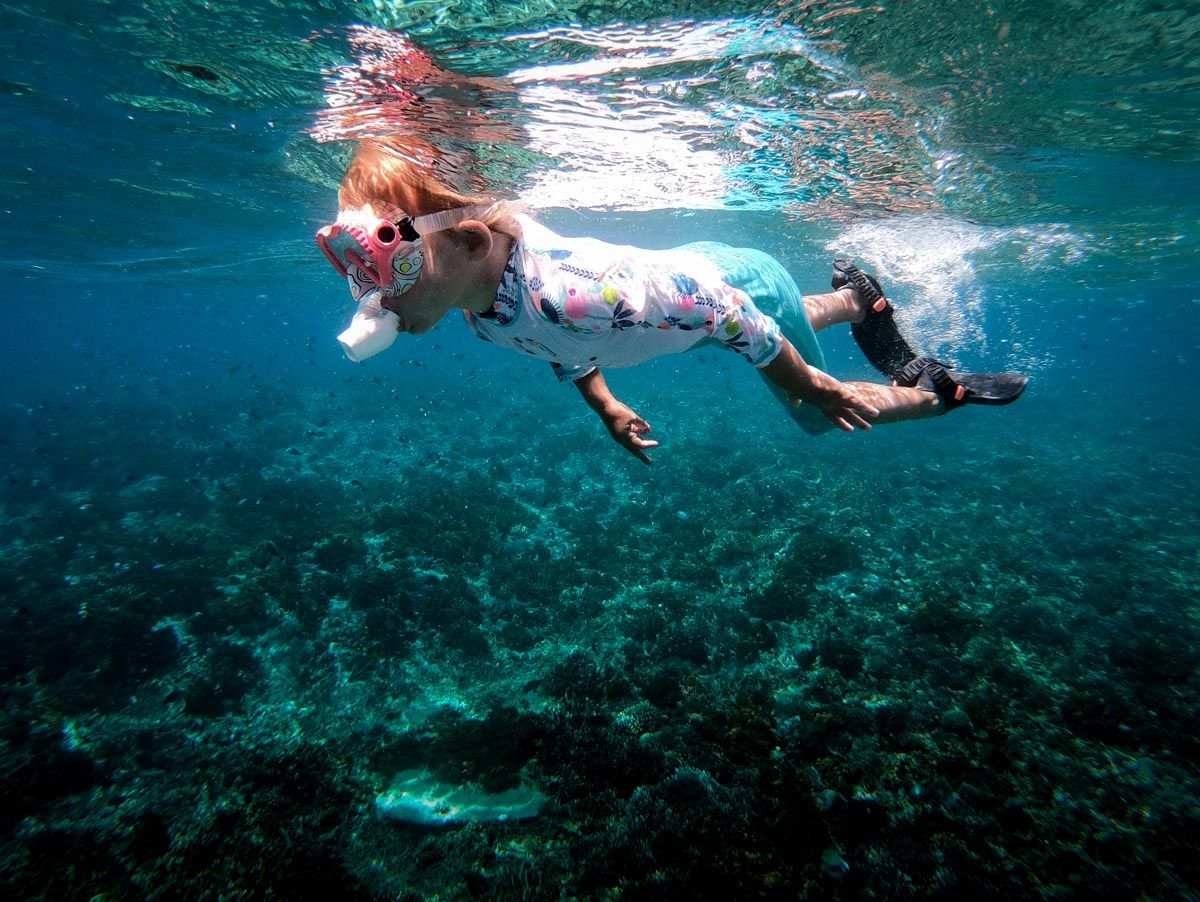
Yes. The snorkeling is exceptional, with manta encounters reliably available from the surface at Manta Sandy and Manta Ridge. Beyond the water, kayaking, island hikes, bird-of-paradise treks, and village visits make every day full.

How long should I spend in Raja Ampat?

Seven nights is the practical minimum to justify the travel. Ten to fourteen nights is ideal to cover the archipelago properly. Shorter trips force a choice between the southern (Misool) and northern (Wayag) regions, while longer voyages cover both with cultural and topside time included.

Further Reading

From the Journal

Dispatches from the far corners of the archipelago. Yacht features, expedition reports, and the stories behind our most memorable charters.

Interested in Chartering Raja Ampat?

Please get in touch to discuss planning your private charter.