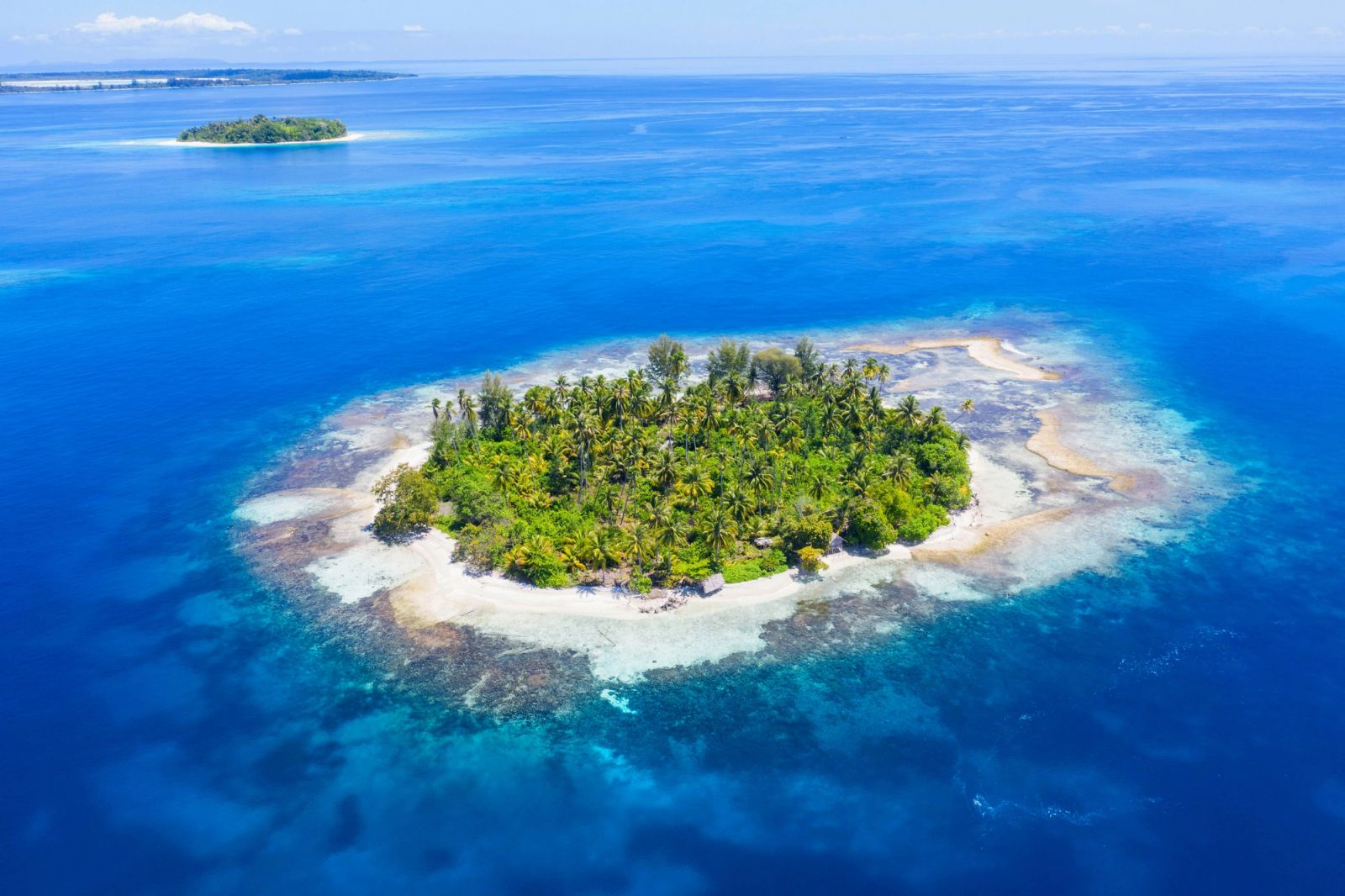
Long before Raja Ampat had a name on a dive map, the Spice Islands were the center of the world. For three centuries, European powers fought wars, signed treaties, and colonized continents to control the nutmeg and cloves grown here, and nowhere else on Earth.
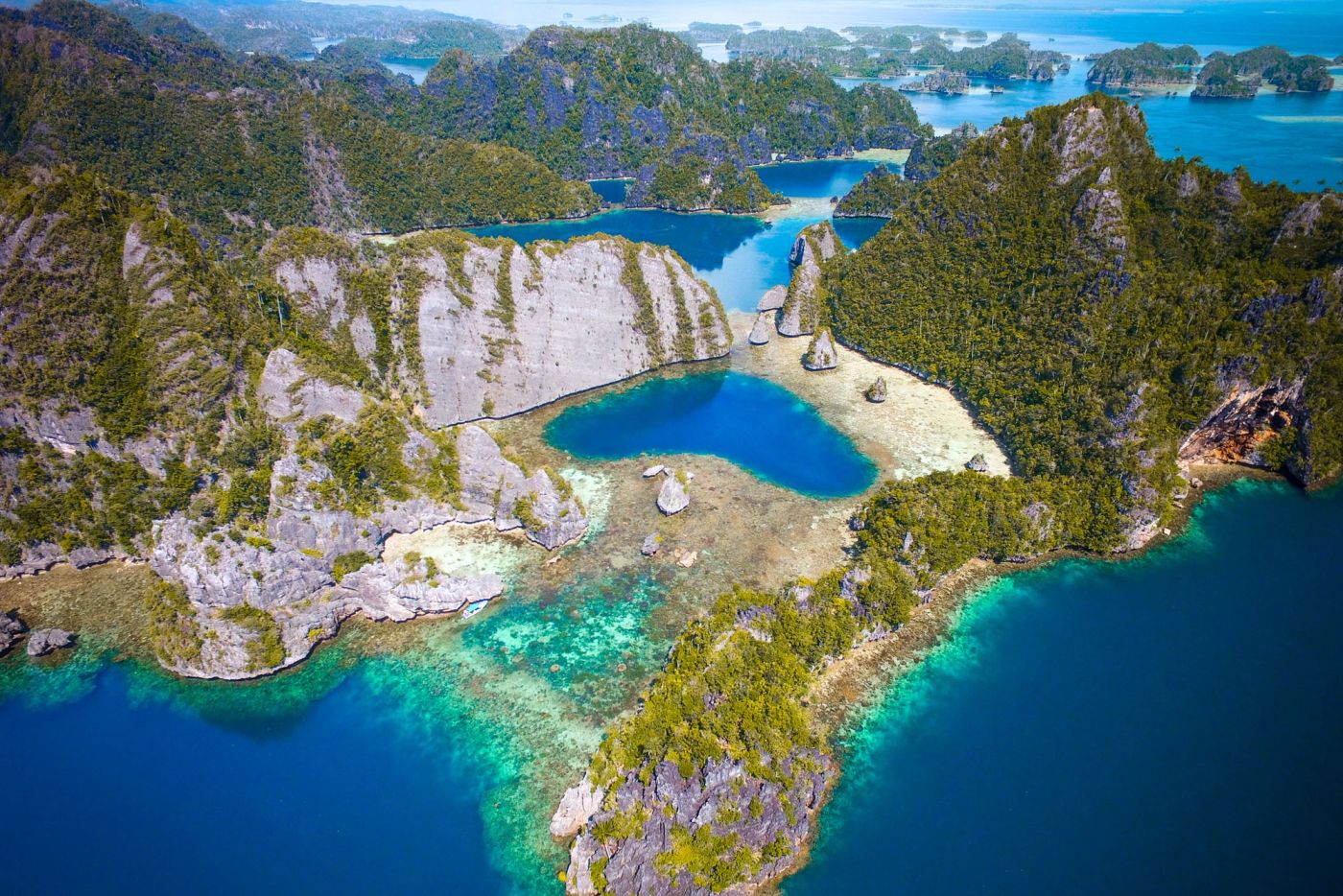
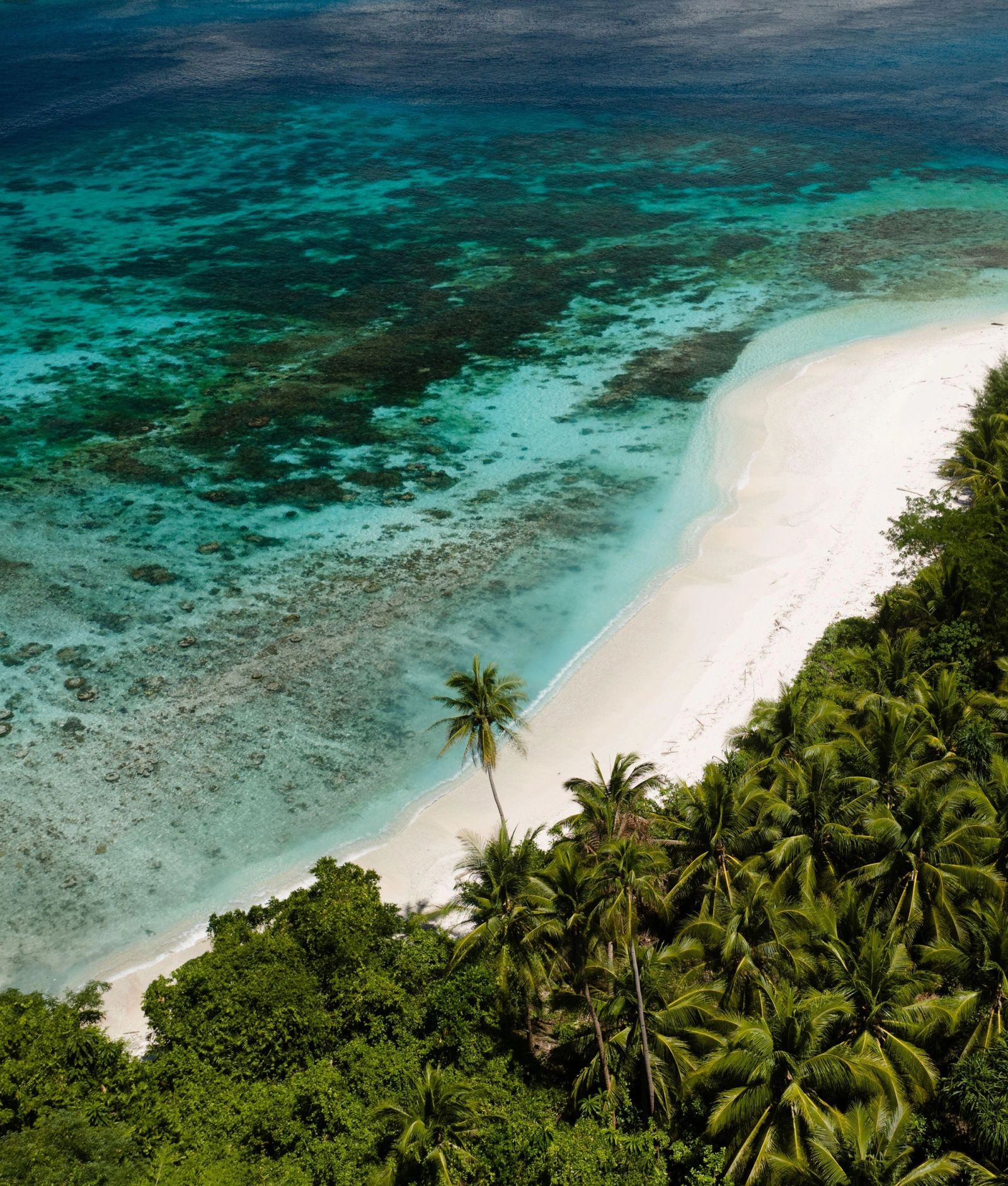
Today, the Maluku archipelago wears its history lightly. Dutch forts crumble beautifully into hillsides. Traditional villages follow rhythms unchanged since the sultanates. Beneath the surface, reefs grow undisturbed in some of the clearest water in Indonesia, with visibility that regularly exceeds 60 meters.
This is a destination for travelers who want depth in every sense: colonial ruins and quiet anchorages, Ambon Bay's renowned macro diving paired with clear-water reefs across the Banda Sea, and the rare experience of arriving somewhere that feels genuinely undiscovered. The Spice Islands remain one of the few places in Indonesia where you can sail for days without seeing another yacht.
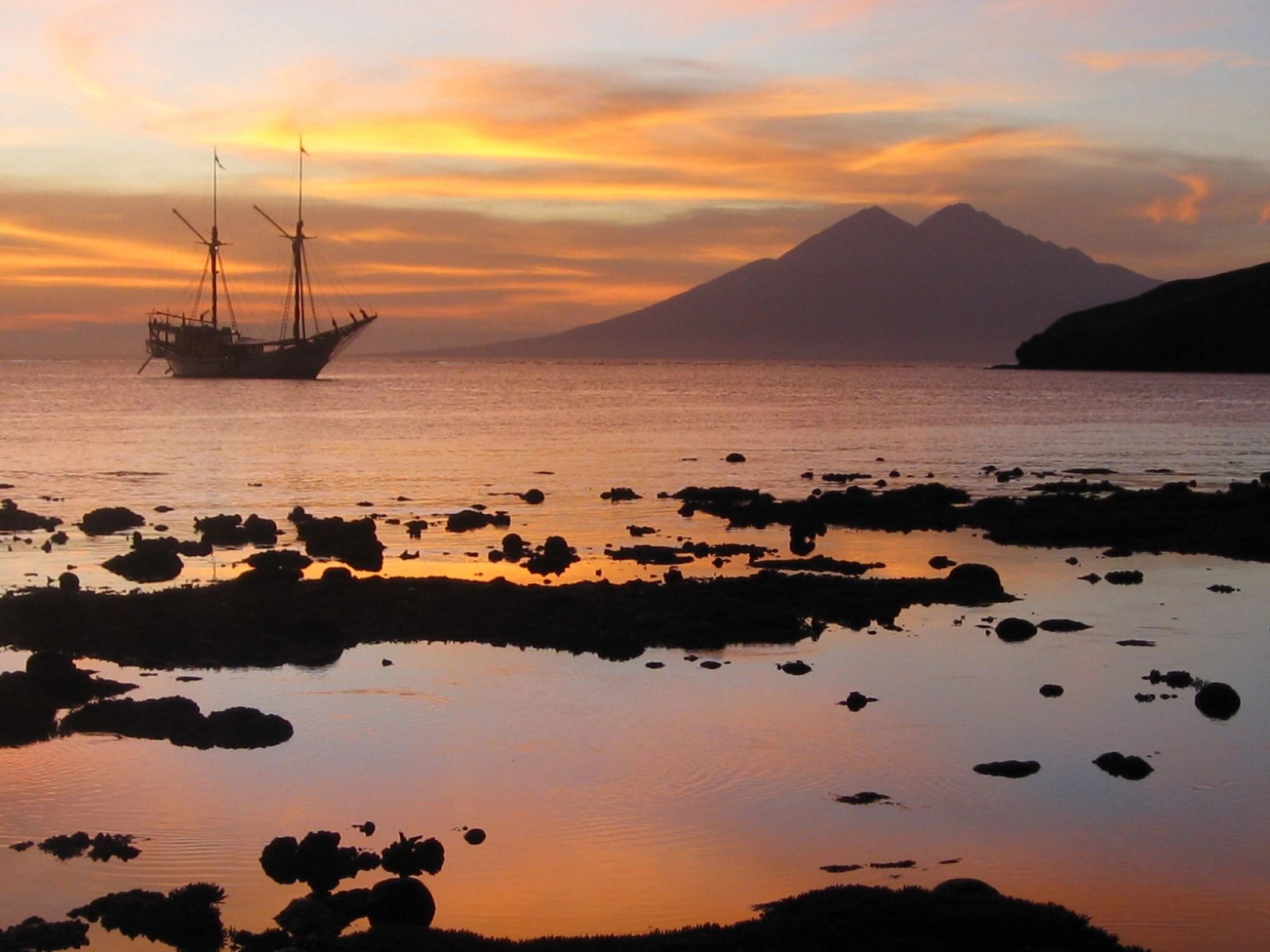
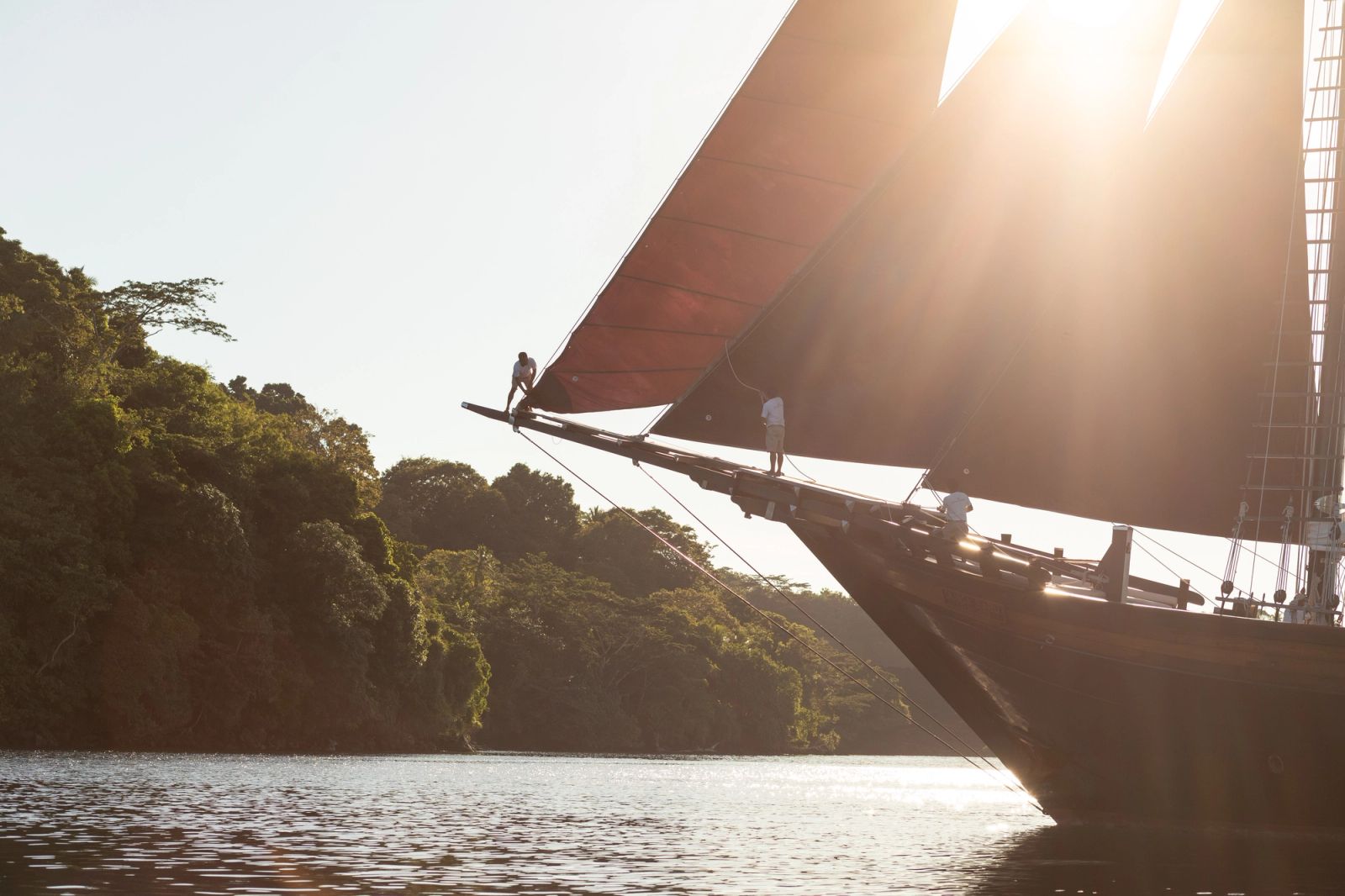
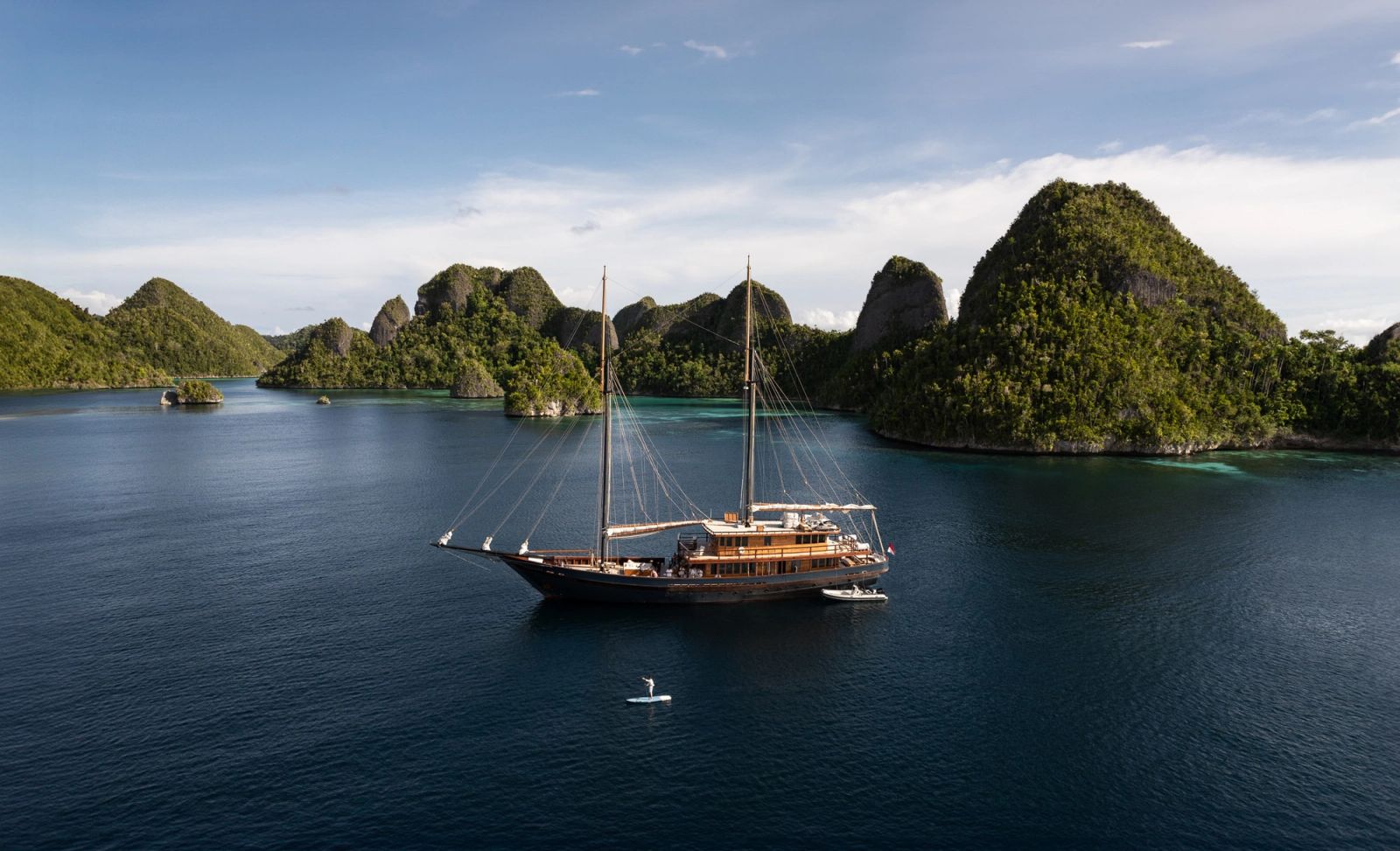
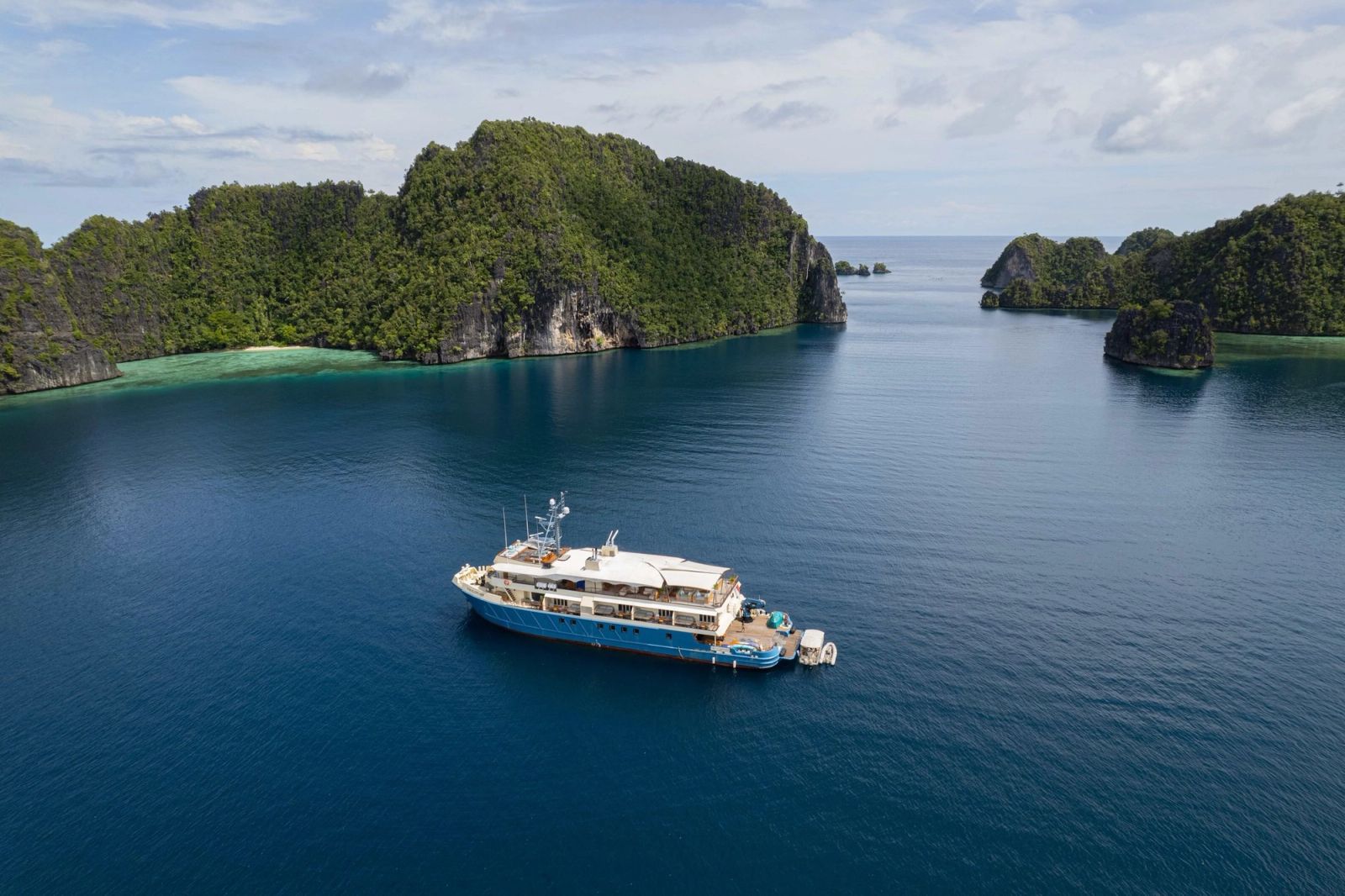
The charter fleet crosses these waters twice a year, eastbound in October and westbound in April, and those crossing months are the window to sail them by yacht.
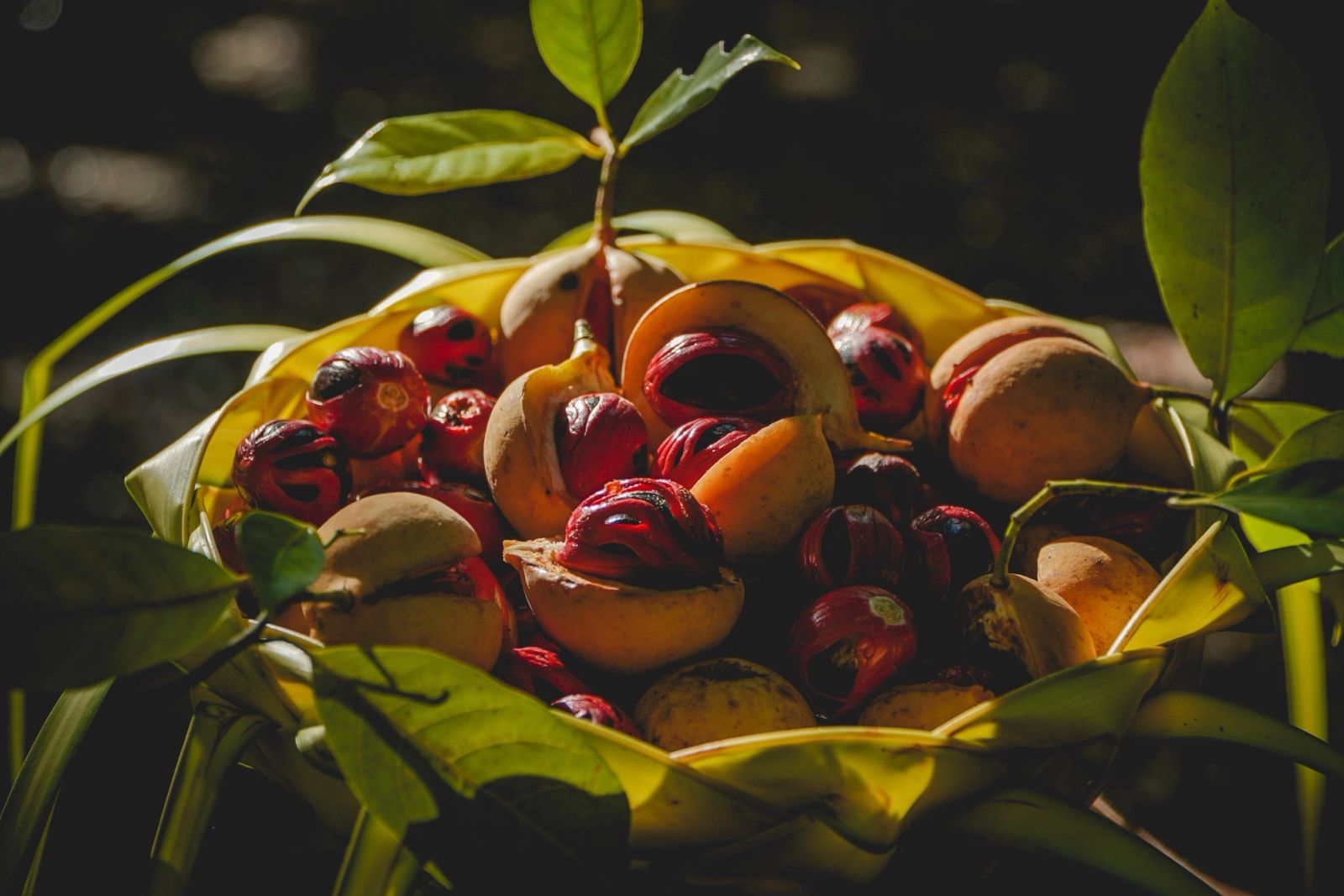
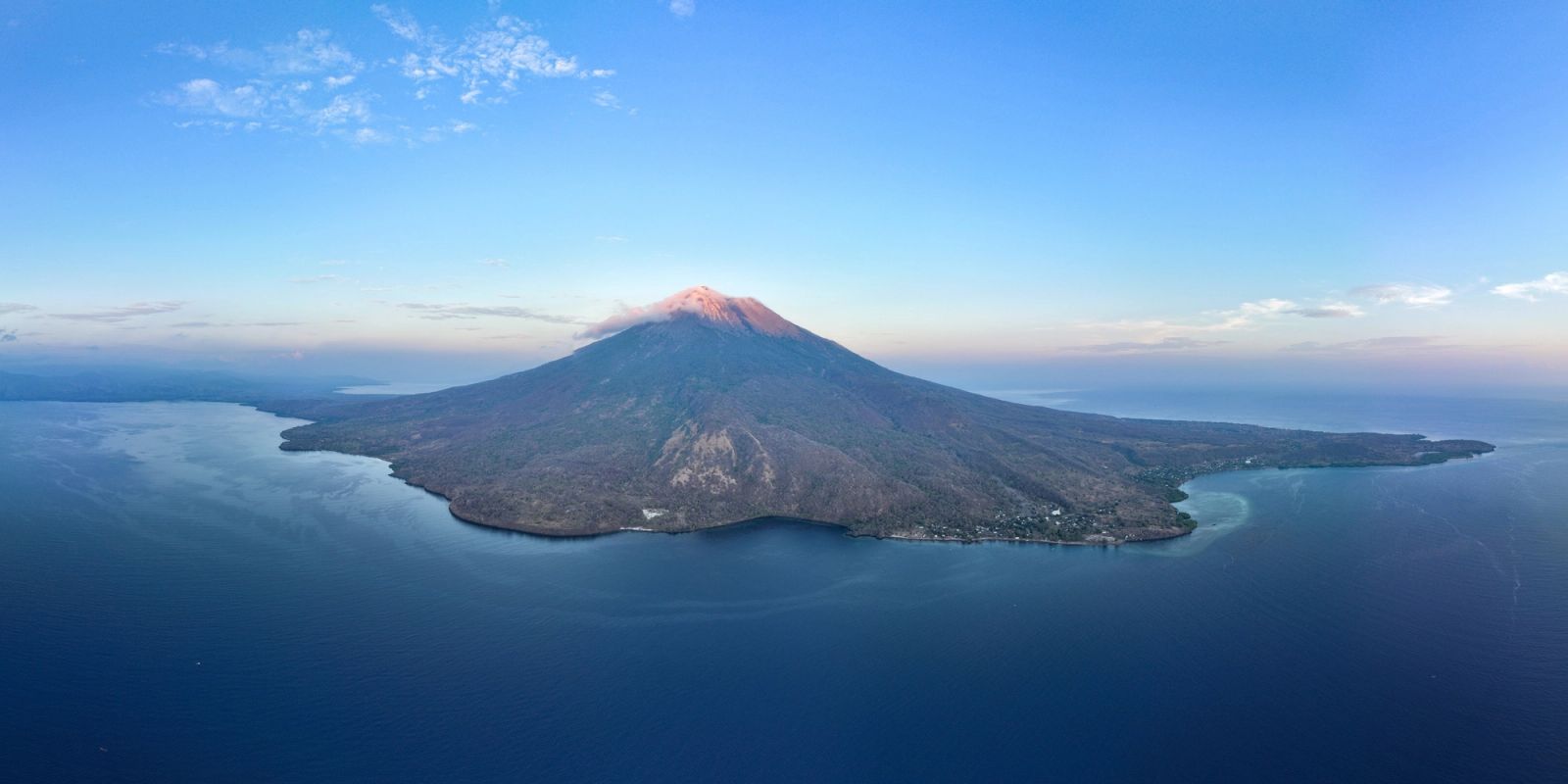
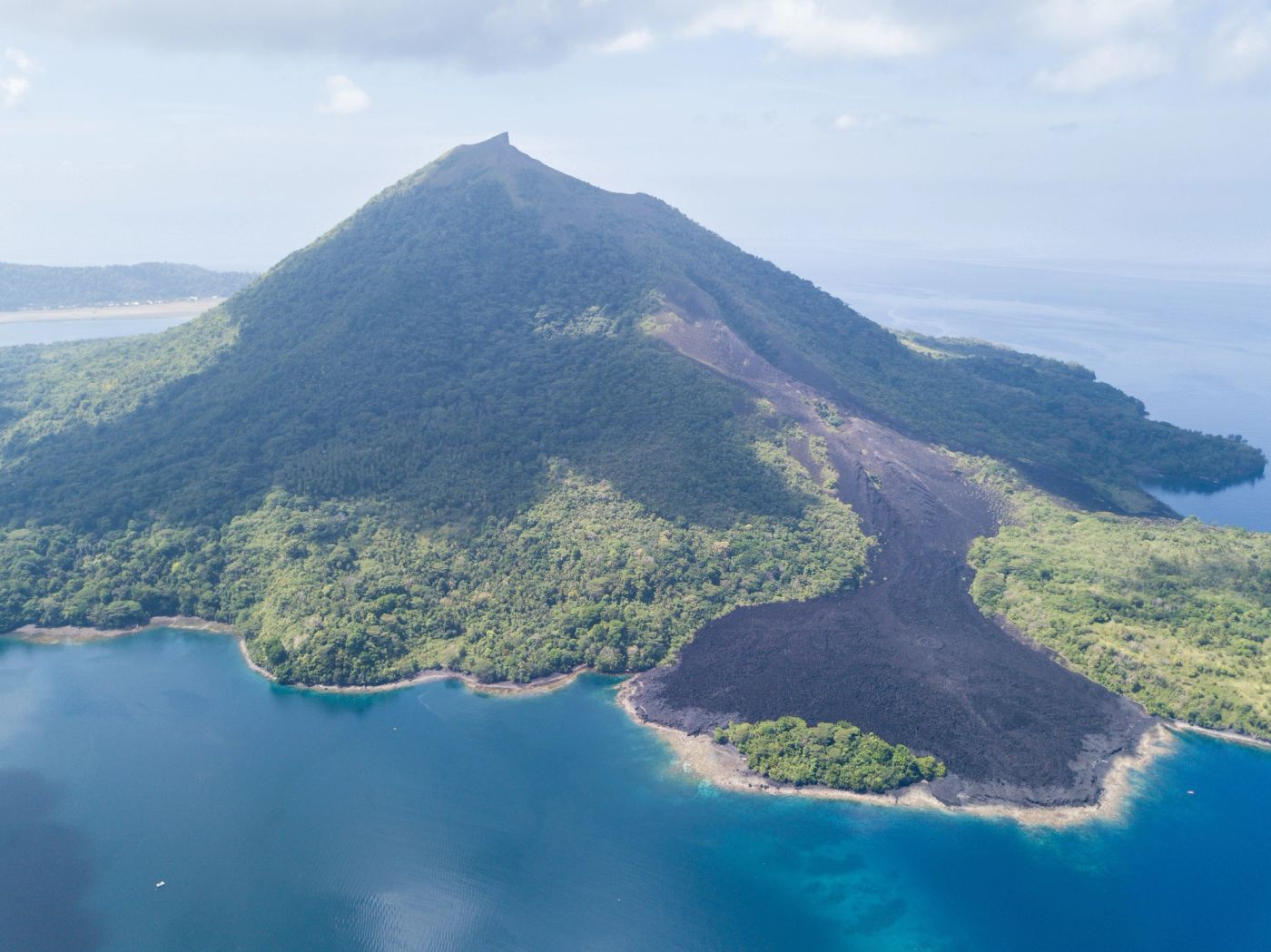
Nutmeg grows wild in the islands around Ambon and was once as valuable as gold. Ambon itself, the heart of the region, is a volcanic island almost split in two, a quiet peninsula on one side and a town on the other that still hums with its past: colonial forts, hot springs, limestone caves, butterflies and birds, and air that carries the smell of cloves. The vendors in its market will walk a visitor back to the time when nutmeg and cloves were the most valuable goods on earth.