Southeast Sulawesi, Indonesia

Wakatobi

Healthy, intact reefs drop straight from the surface across one of the largest marine parks in Indonesia.

Southeast Sulawesi, Indonesia
1.39M ha
National Park Area
400+
Coral Species
750+
Fish Species
Year-round
Season
1.39M ha
National Park Area
400+
Coral Species
750+
Fish Species
Year-round
Season
01

Seclusion in Southeast Sulawesi

Wakatobi is Indonesia's third-largest marine national park, a 1.39 million-hectare expanse of protected sea and island stretching across the southeastern tip of Sulawesi. Four main islands (Wangi-Wangi, Kaledupa, Tomia, and Binongko) give the archipelago its name, and together they form one of the most biologically rich and least-visited dive destinations on earth.

The reefs here stand out for their condition as much as their diversity: visibly healthy, almost entirely intact, and protected under one of Indonesia's most rigorously enforced marine reserve designations. With more than 400 coral species recorded within the park, the sheer density of life underwater has few rivals anywhere in Southeast Asia.

Above water, the setting is equally compelling. With no commercial development beyond a single dive resort and a handful of traditional villages, Wakatobi offers a rare combination: genuine wilderness and genuine luxury, occupying the same stretch of protected ocean.

Reaching Wakatobi requires purpose, by private charter flight or liveaboard yacht, and that purposeful effort is itself a kind of filter. The guests who arrive here come for immersion, not convenience. The reefs reward exactly that.


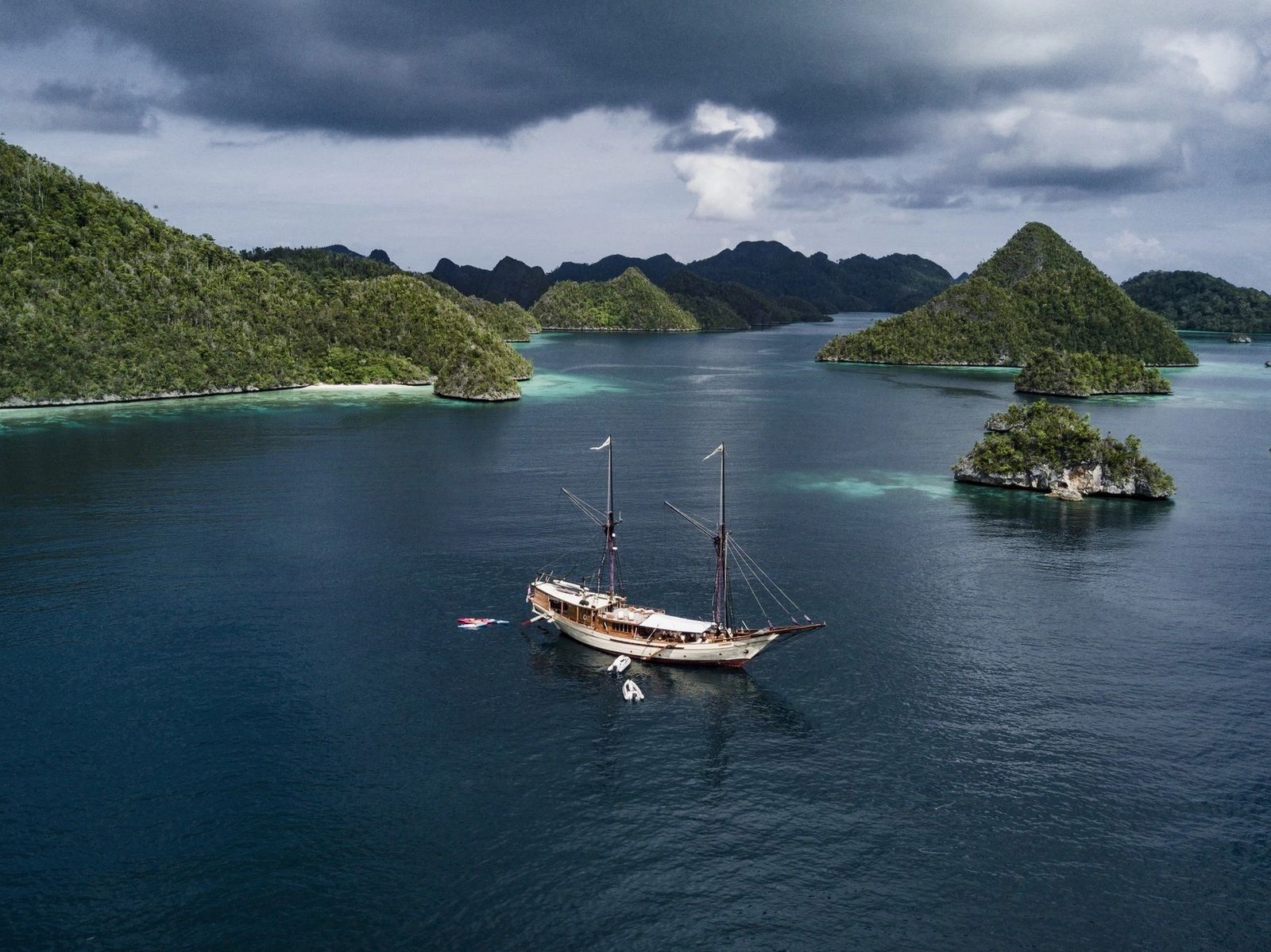
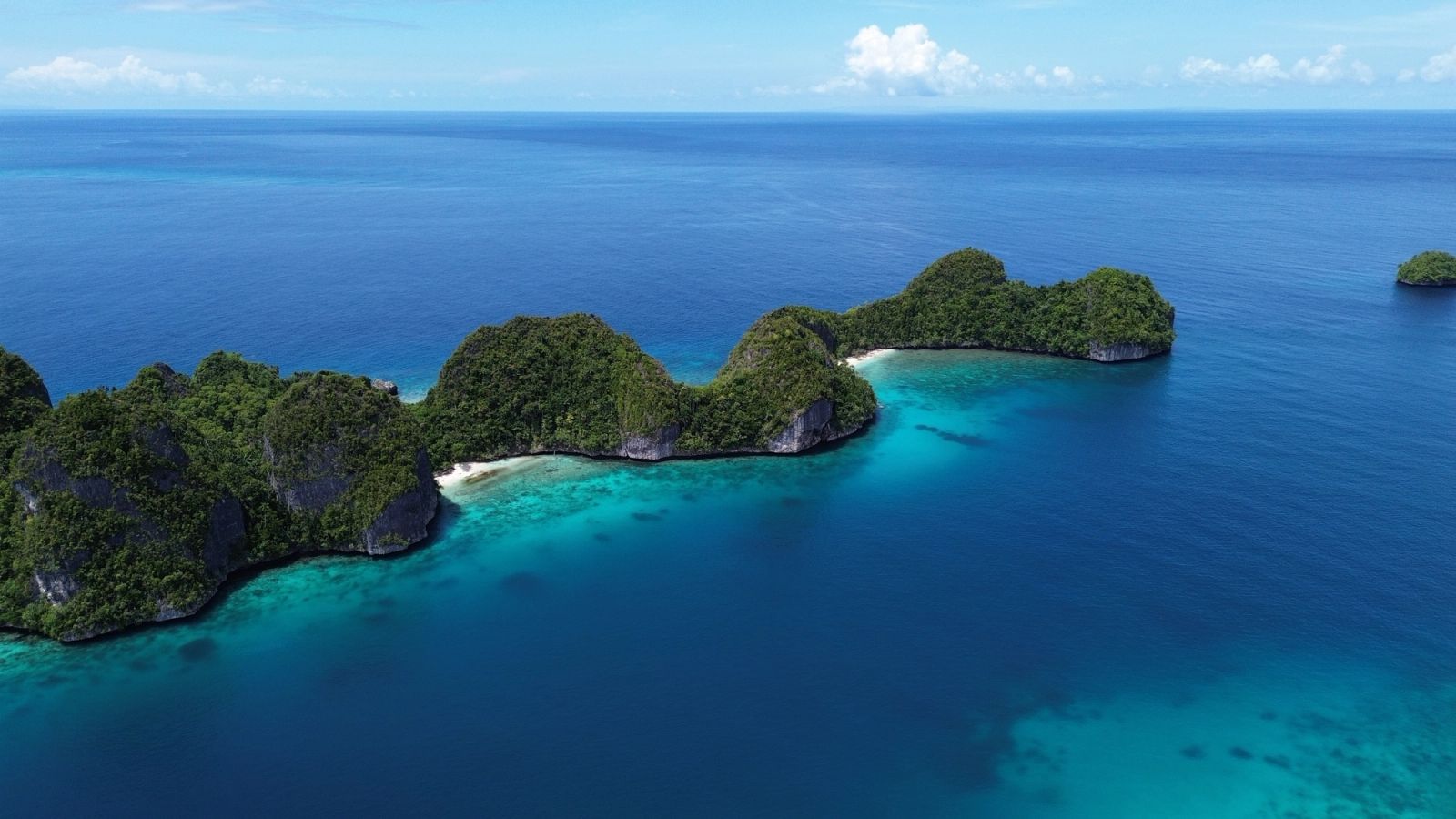
An aerial view of a reef atoll in Wakatobi's clear water, a boat anchored at its edge.
02

Why Wakatobi Is Different

Most dive destinations in Indonesia have seen their reefs compromised over decades by fishing pressure, tourism volume, and coral bleaching. Wakatobi has not. The national park designation is backed by an active conservation program run in partnership with the local Bajo community (a maritime people who have lived on and from these waters for centuries) and Wakatobi Dive Resort, whose lease agreement requires measurable reef protection as a condition of operation.
The result is measurable. Coral coverage at Wakatobi consistently exceeds 70 percent at key sites, against an Indonesian average that has fallen below 30 percent in many areas. Fish biomass is high, populations stable, and the macro life (nudibranchs, ghost pipefish, frogfish, pygmy seahorses) is among the most diverse and reliably locatable anywhere in the Coral Triangle.

A Bajo stilt village standing over the shallows in Wakatobi, home to the Sea Nomads.
03

A Special Place Between Sky and Sea

Wakatobi is a culture as much as a dive destination. The islands of the archipelago are home to the Bajo people, sometimes called Sea Nomads, who have lived aboard their boats and in stilt villages above shallow reefs for generations. Their relationship with the ocean is unlike anything you will encounter elsewhere in Indonesia, and yacht charter excursions to the outer islands frequently bring chance encounters with Bajo families still living entirely at sea.

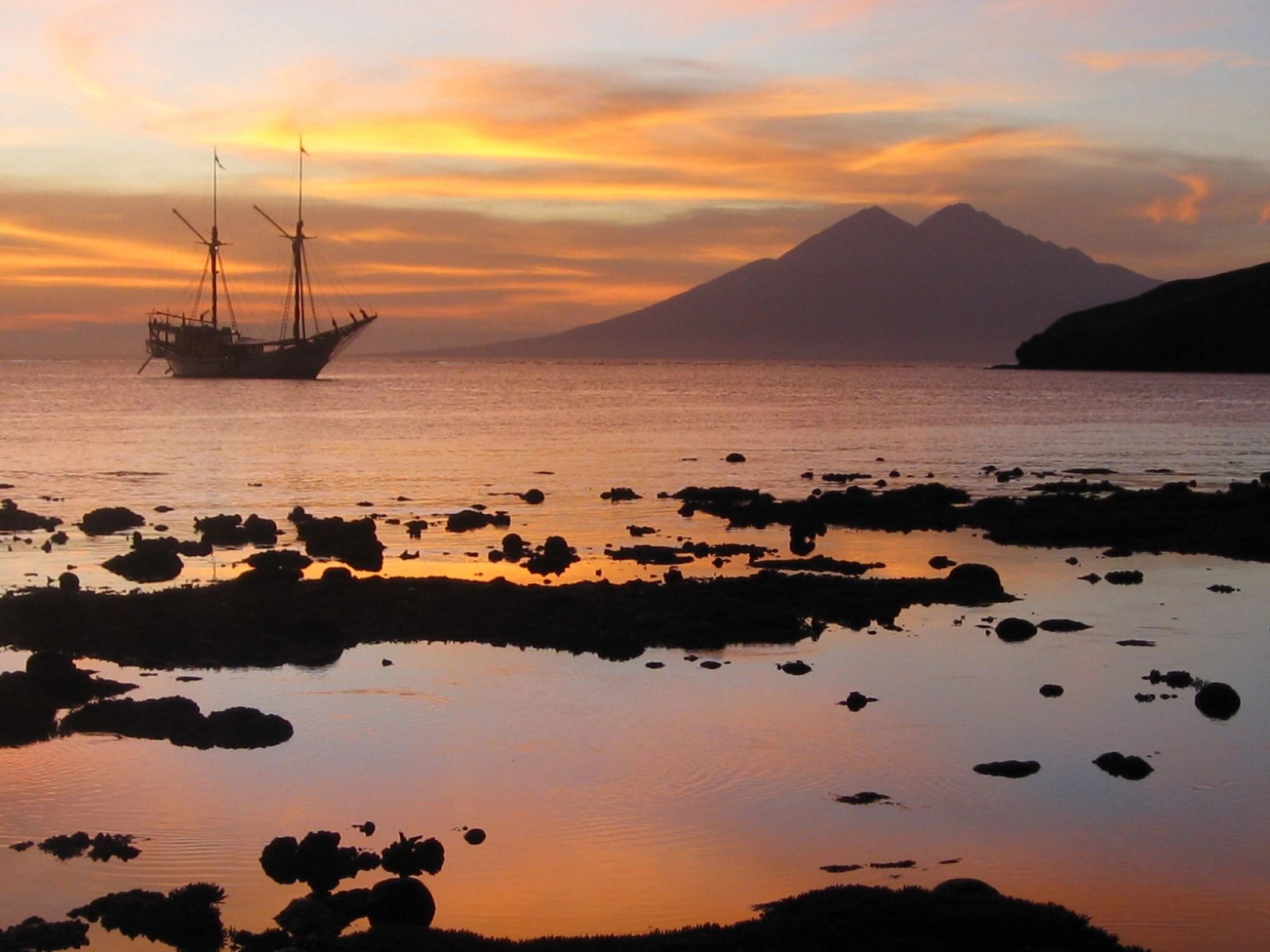
On land, Wakatobi Dive Resort's private villas offer cooking workshops, guided nature walks, and village tours that reveal the cultural richness of this corner of Sulawesi. The sunsets from the resort's cliff-edge villas over the Banda Sea are worth planning dinner to catch. Kayaking, paddleboarding, and kiteboarding in the sheltered lagoons provide additional activities for non-divers.

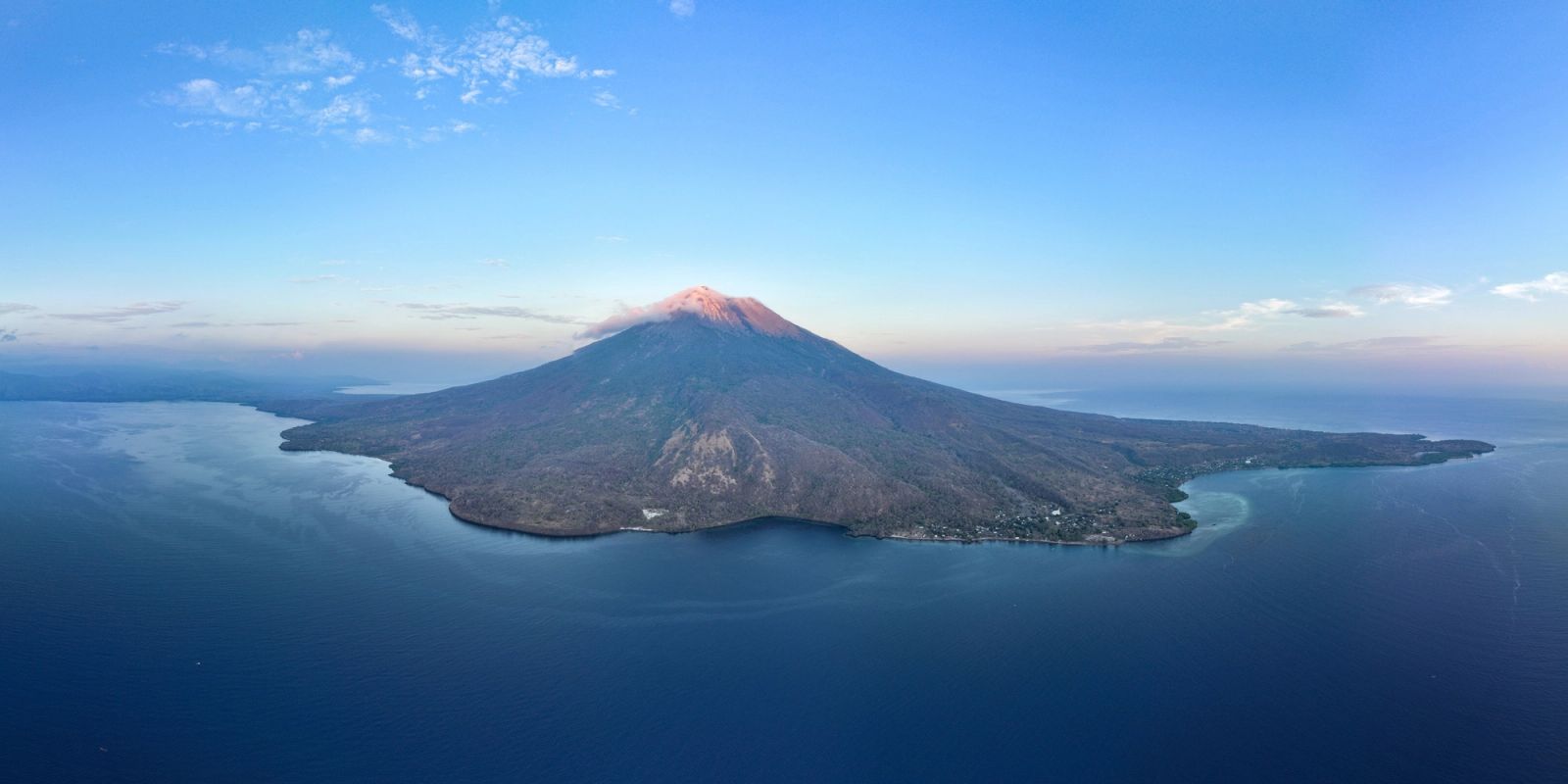
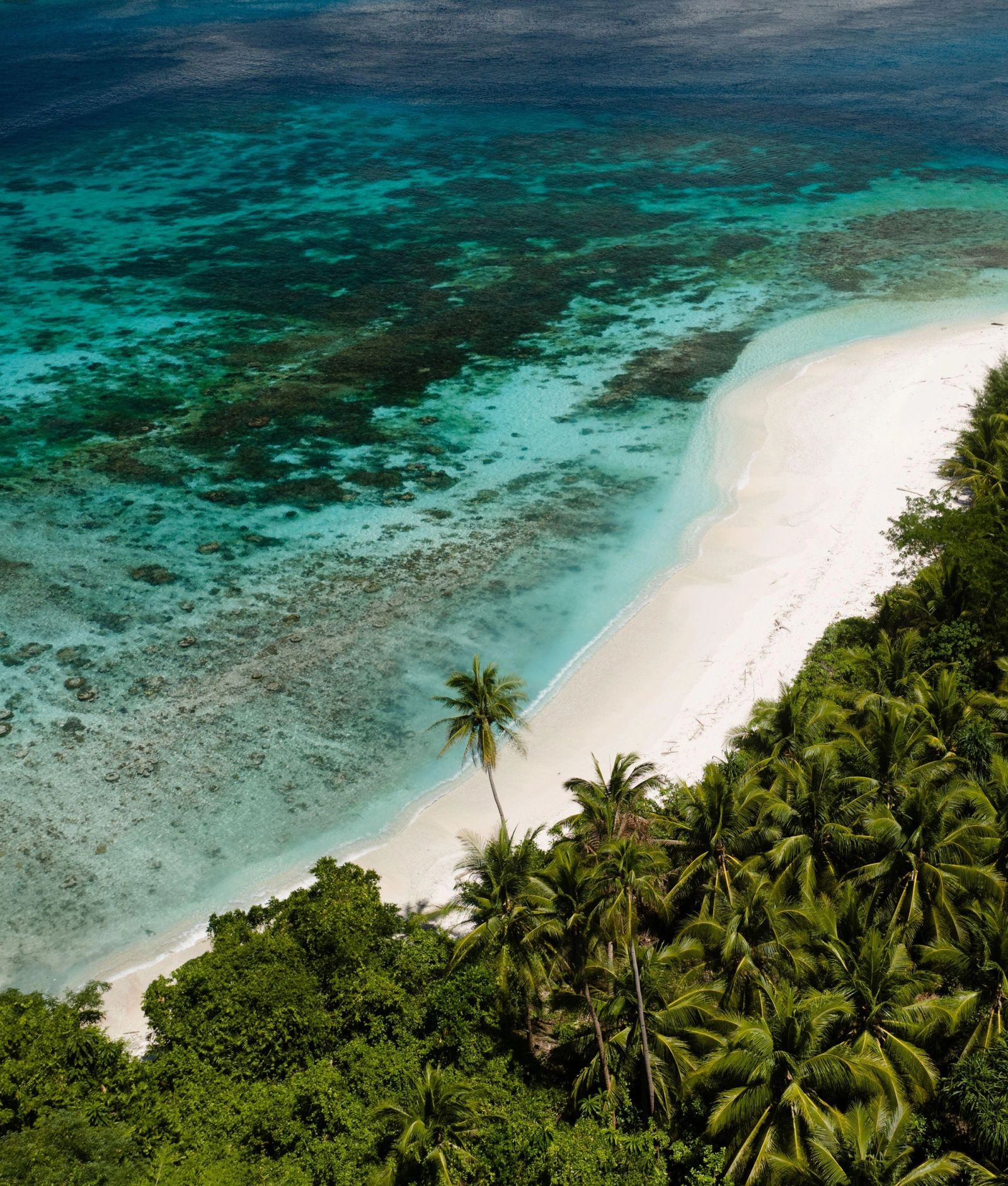
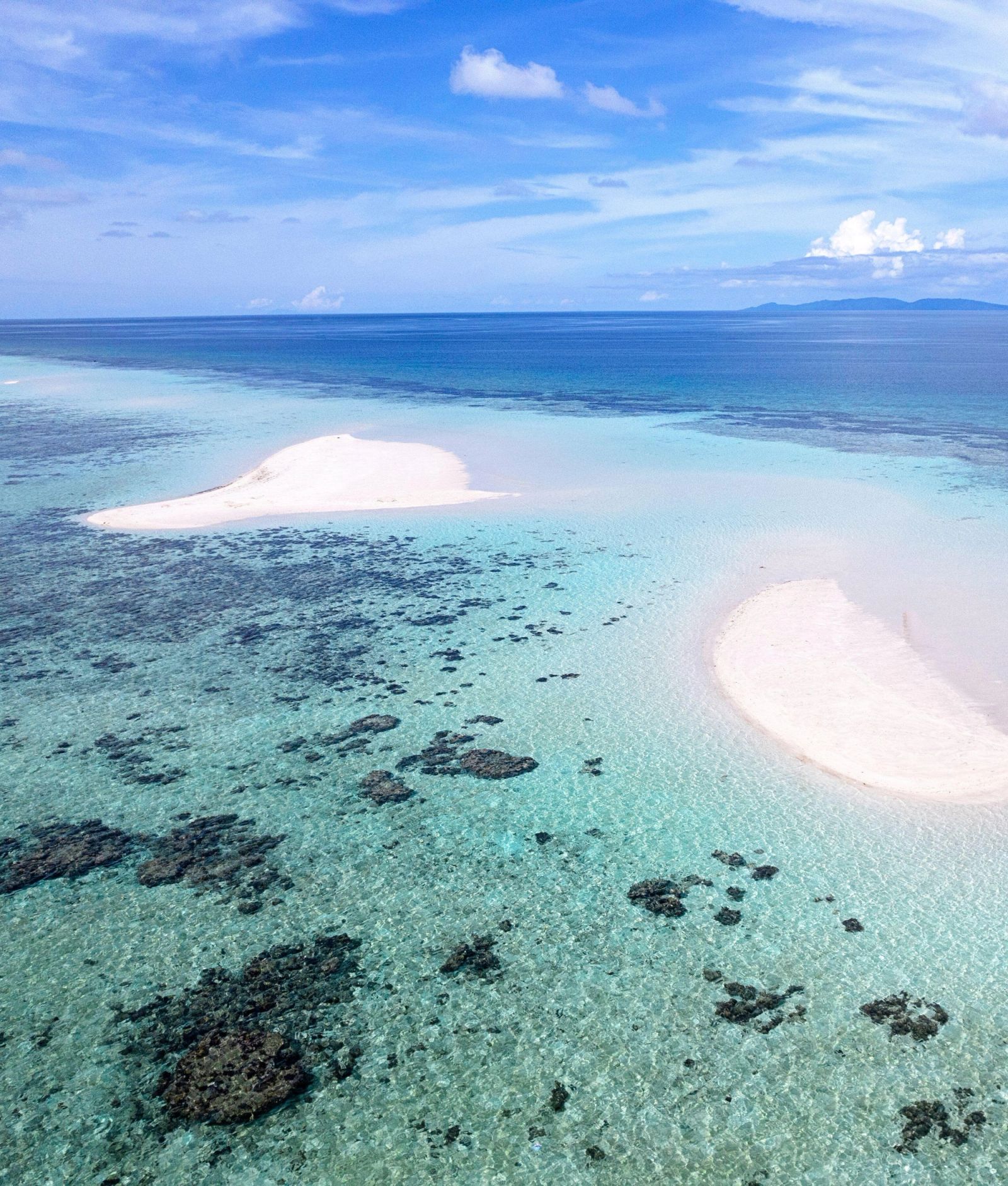
Two of the archipelago's islands, fringed by reef and divided by a deep blue channel.
The Archipelago
North Wakatobi

North Wakatobi

Wangi-Wangi & Kaledupa

Wangi-Wangi is the gateway, with the archipelago's airport and harbor. The calm reefs off neighboring Kaledupa suit unhurried snorkeling and gentle drift dives, and Kaledupa's Bajo stilt villages are among the oldest in the region.

Gateway Airport Snorkeling Bajo Villages
Central Wakatobi

Central Wakatobi

Tomia Island

Tomia is the heart of the national park and the home of Wakatobi Dive Resort. The reef systems surrounding the island are the best-studied and most consistently excellent in the archipelago, with over two dozen named sites within a short tender ride. The resort's own house reef is diveable directly from shore and rivals most dive destinations' best sites.

Resort House Reef Cave Diving Muck Diving
South Wakatobi

South Wakatobi

Binongko & Southern Buton

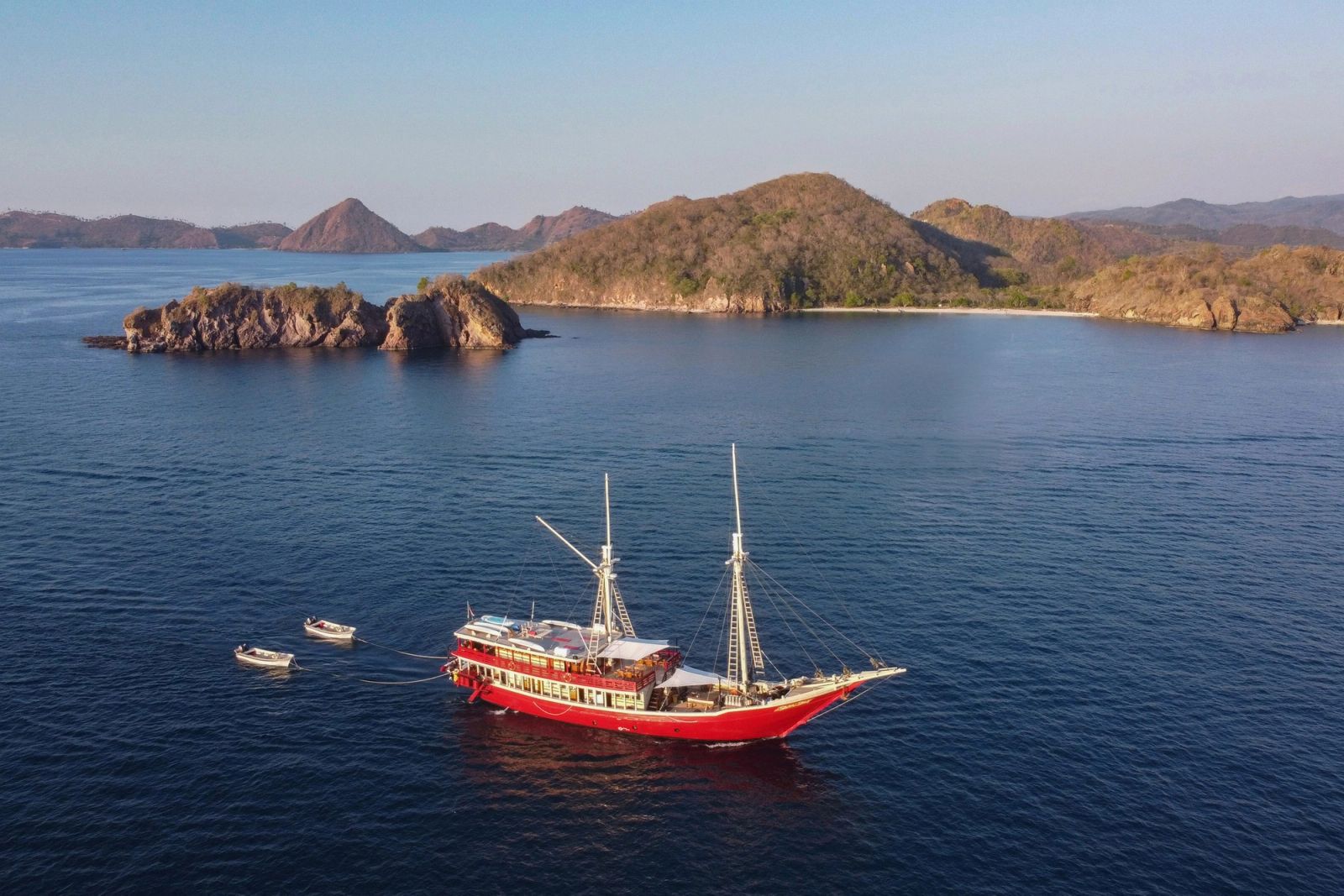
The outer islands and southern beaches of Buton are accessible only by yacht and offer some of the most remote reef diving in Indonesia. Fish populations here have seen virtually no recreational diving pressure. Charter yachts operating these waters regularly anchor at sites with no other boats in sight and no other guests in the water, a rarity anywhere in the Coral Triangle.

Remote Reefs By Boat Only Wild Walls
Key Sites

Wakatobi Dive Sites

More than 40 named sites within the national park, ranging from beginner-friendly house reefs to technical cave systems and current-swept channel dives.

Tomia Island

Tomia Island

Roma

Wakatobi's signature dive: a sweeping wall smothered in dense soft coral with near-constant pygmy seahorse sightings.

5-40m All Levels Wall
Tomia Island

Tomia Island

Cornucopia

Named for its abundance, this sloping reef erupts with sea fans, anthias clouds, and resident Napoleon wrasse.

8-28m All Levels Reef
Tomia Island

Tomia Island

Tanjung Batutoro

A dramatic cave system reserved for advanced divers, with cathedral chambers and resident whitetip sharks resting on the floor.

15-35m Advanced Cave
Tomia Island

Tomia Island

Cheeky Beach

Premier muck diving site yielding frogfish, flamboyant cuttlefish, and mimic octopus on every dive without exception.

5-18m All Levels Muck

Marine Life

What You'll Encounter

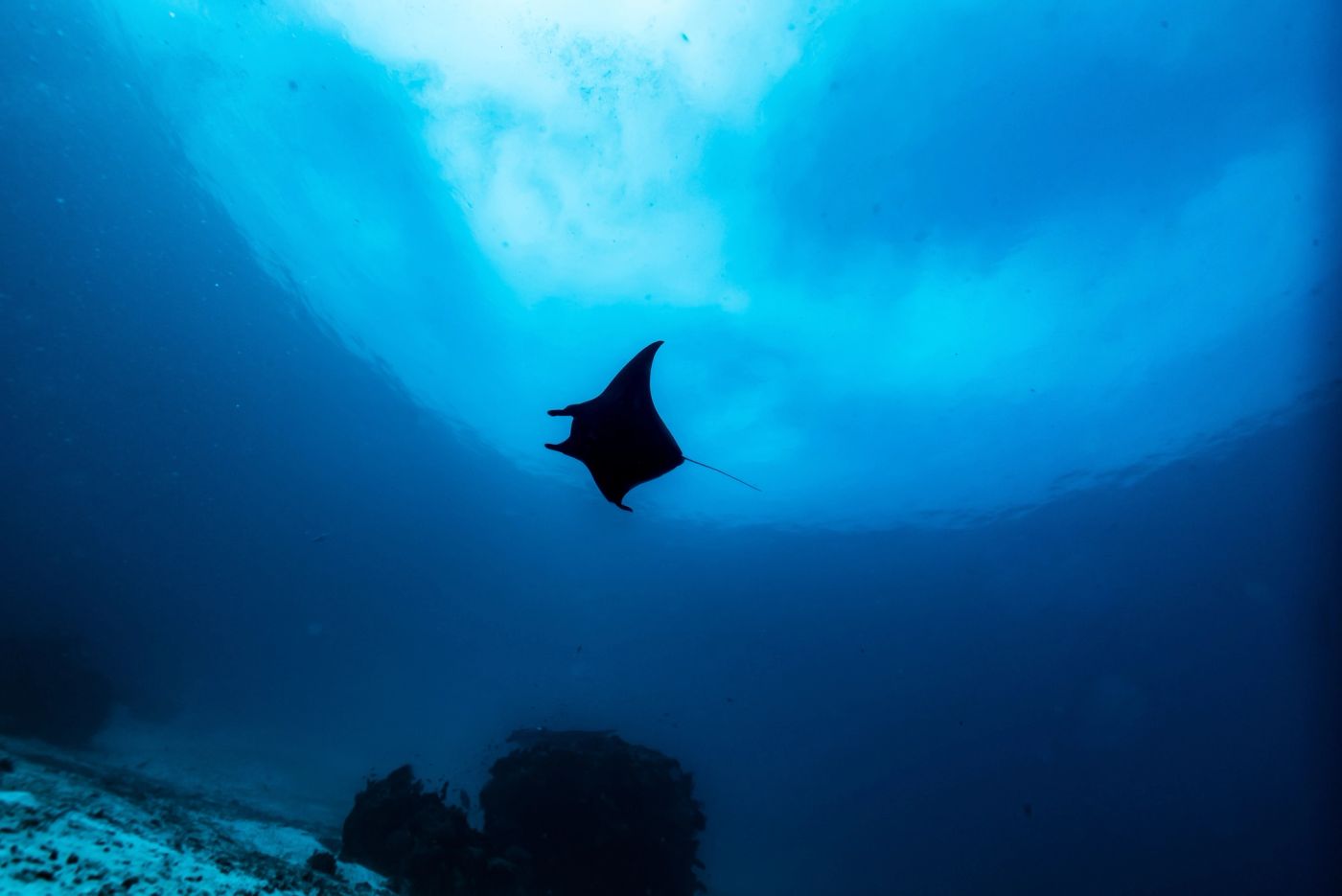
Wakatobi hosts over 750 fish species and 400 coral species: the full spectrum of Coral Triangle biodiversity concentrated in one protected archipelago.

Chelonia mydas

Green Sea Turtle

Chelonia mydas

Year-round residents on Wakatobi's reefs. Expect encounters on almost every dive at Tomia and Kaledupa.

Order Nudibranchia

Nudibranch

Order Nudibranchia

Over 70 species documented in the park. Muck sites like Cheeky Beach routinely yield 20+ species per dive.

Hippocampus bargibanti

Pygmy Seahorse

Hippocampus bargibanti

Roma is one of the world's most reliable locations for bargibanti encounters, with multiple individuals per fan gorgonian.

Triaenodon obesus

Whitetip Reef Shark

Triaenodon obesus

Cave sites like Tanjung Batutoro shelter resting groups of five to ten individuals year-round.

Stenella longirostris

Spinner Dolphin

Stenella longirostris

Pods regularly feed in the channels between islands. Surface encounters from the tender are common from October to March.

Solenostomus paradoxus

Ornate Ghost Pipefish

Solenostomus paradoxus

Asphalt Pier and Cheeky Beach consistently produce sightings. Multiple color morphs documented at each site.

The Numbers

  • 400+ coral species, among the richest reefs on Earth
  • 750+ Fish species within the national park
  • 1.39 million Hectares of protected ocean and land
  • 40+ Named dive sites within the reserve

From the Charter Team

Know Before You Sail

Practical notes for Wakatobi.

Dive Roma at First Light

Dive Roma at First Light

Roma wall at 07:00 before the resort boats arrive is a categorically different experience. Fish behavior is natural, the pygmy seahorse finders haven't been mobilized yet, and the light through the water column at that hour is exceptional. Book a sunrise dive on your first morning.

The Buton Southern Coast

The Buton Southern Coast

South of the main park boundary, the southern coast of Buton holds reef sites visited by fewer than 200 divers annually. Liveaboard charter yachts can route through this stretch on the way to or from Wakatobi, adding a day or two for sites that exist on no standard brochure. Worth asking about specifically when planning the itinerary.

Meet the Yacht at Wangi-Wangi

Meet the Yacht at Wangi-Wangi

Matahora airport on Wangi-Wangi connects through Kendari and Makassar. Boarding the yacht there instead of at a resort jetty saves a day of transfers and puts you straight onto the northern reefs.

The Bajo at Dawn, Not Dusk

The Bajo at Dawn, Not Dusk

Village visits are usually scheduled for late afternoon when fishing boats are returning. Early morning, when the community is preparing gear and the light is at its best, is far more revealing. Ask your guide to arrange a 06:00 tender transfer to the nearest stilt village.

Bring Small Gifts for the Villages

Bring Small Gifts for the Villages

School supplies are the most welcome gift in the Bajo villages. Our crew can stock notebooks and pencils before departure, and the village head decides how they are shared.

Combine with the Spice Islands

Combine with the Spice Islands

A 14-night charter starting in Wakatobi and transiting northeast to the Banda Islands and Spice Islands covers 600 years of trade history in one itinerary. The passage through the Banda Sea is itself a highlight, with active seamounts and deep-water fishing communities rarely seen by any charter vessel.

Planning

When to Visit Wakatobi

Month Conditions Visibility Reef Life
January Excellent 25-40m High
February Excellent 25-40m High
March Very Good 20-35m High
April Good 15-25m High
May Good 15-20m High
June Variable 12-18m High
July Variable 12-18m High
August Good 15-20m High
September Good 15-25m High
October Excellent 20-30m High
November Excellent 25-35m High
December Excellent 25-40m High

Peak Season: October through March

The calmer eastern monsoon period delivers flat seas, 20 to 30 meter visibility, and peak pelagic activity in the outer channels. Sea temperatures sit at 28 to 30 degrees Celsius. This is the most popular period, especially December through March when visibility at the wall sites can reach 40 meters.

October and November offer excellent conditions with fewer guests, our preferred window for first-time Wakatobi charters.

Shoulder Season: April through September

The wet season brings slightly increased surface chop and reduced visibility at some sites, but diving remains excellent and reef health is unchanged. Some guests actually prefer this period for the cooler air temperatures and reduced visitor numbers at the resort.

July and August can bring stronger currents that attract pelagics and improve shark sightings at the deeper walls.

Year-Round Diving with Peak Visibility Windows

Wakatobi's protected position between two monsoon systems means diving is genuinely possible year-round. Peak visibility windows occur in the dry months, but reef health and macro life are excellent in any season.

Travel Logistics

How to Get to Wakatobi

From Bali (DPS)

2.5 hrs , direct

From Jakarta (CGK)

5-6 hrs , 1 stop

From Makassar (UPG)

3-4 hrs , 1 stop

From Singapore (SIN)

6-7 hrs , 1 stop

From Sydney (SYD)

10-12 hrs , 1 stop

From London (LHR)

18-22 hrs , via Bali or Singapore

Gateway Airport

Denpasar International Airport (DPS), Bali, is the primary international gateway. Most guests overnight in Bali before continuing onward. Some routes transit via Makassar (UPG) in South Sulawesi or Kendari (KDI) in Southeast Sulawesi.

Private Charter Flight

Wakatobi Dive Resort operates a private airstrip on Tomia Island and runs twice-weekly charter flights from Bali. The direct flight takes approximately 2.5 hours, cutting what was once a 24-hour journey to a single short hop. Charter seats are bookable through the resort and Indo Yachts can coordinate the connection.

By Charter Yacht

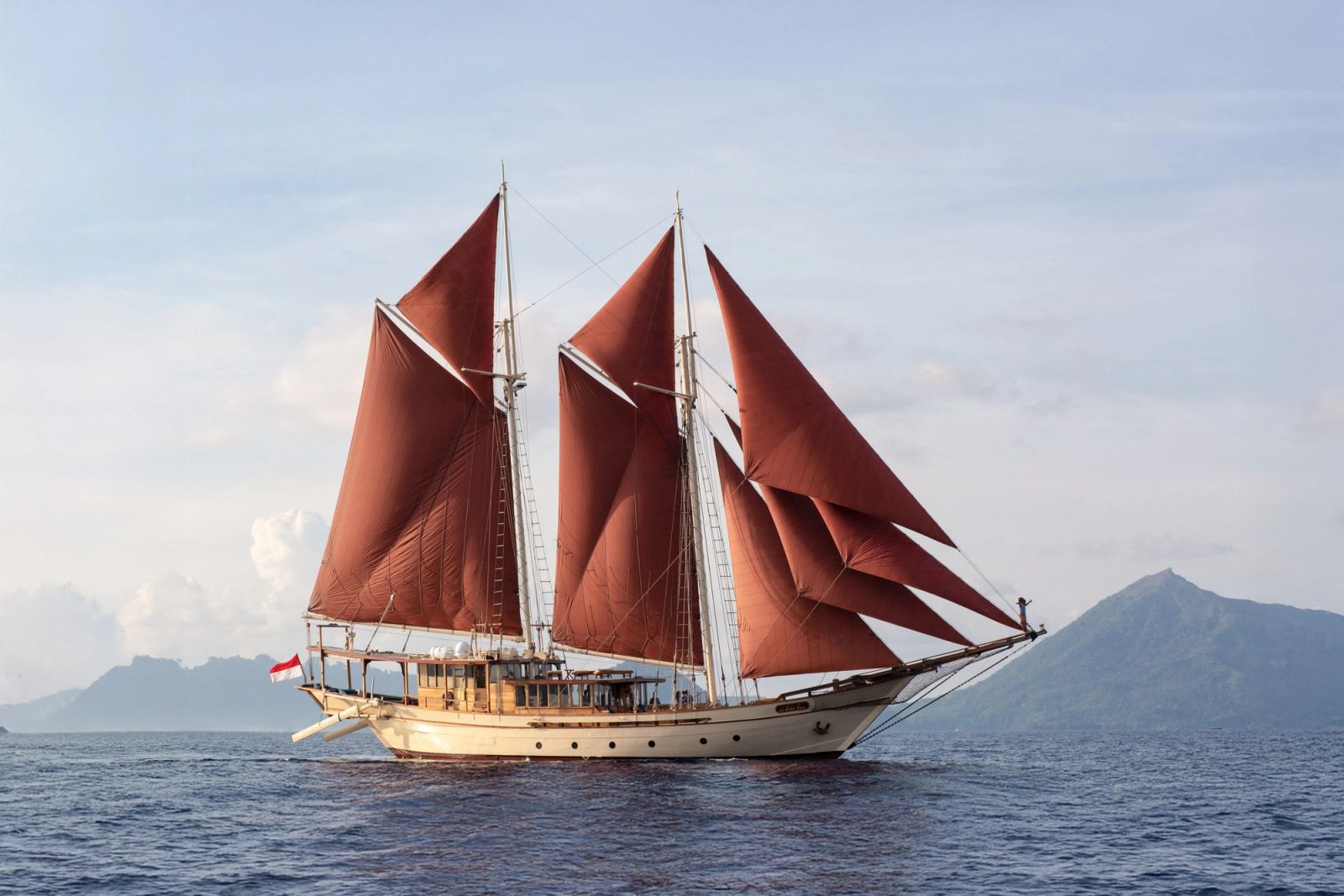
Charter yachts depart from Kendari (KDI) in Southeast Sulawesi, approximately 5 to 7 hours by sea to Wakatobi. For those combining Wakatobi with the Spice Islands or Banda Sea, the yacht itself becomes the transport, arriving and departing from different ports across the archipelago.

2.5 hrs bali Direct Flight · 7-14 nights Ideal · 2×/wk charter Flights

Read the full guide
"

There are destinations you go to for the diving. Wakatobi is one you go to because nowhere else on earth looks quite like this underwater.

Indo Yachts Charter Team

Questions

Wakatobi FAQ

What is the best time to visit Wakatobi?

October through March offers the best conditions: calm seas, 25 to 40 meter visibility, and peak pelagic activity. December through February is the busiest period. October, November, and March offer excellent diving with fewer guests in the park.

How do I get to Wakatobi?

Fly to Bali (DPS), then connect on Wakatobi Dive Resort's twice-weekly private charter flight directly to Tomia Island. The flight takes approximately 2.5 hours. For yacht charters, the vessel typically departs from Kendari (KDI) in Southeast Sulawesi.

What diving experience do I need?

Open Water certification is the minimum, and the house reef and shallower sites are suitable for newly certified divers. Experienced divers will find more reward in Wakatobi: the cave dives at Tanjung Batutoro require Advanced certification, and the wall dives benefit from 30+ logged dives.

Is Wakatobi good for non-divers?

Yes. Snorkeling directly off the resort's house reef is outstanding. Surface activities include kayaking, paddleboarding, village tours to Bajo communities, cooking workshops, and nature walks. The sunsets over the Banda Sea from the cliff villas are a destination in themselves.

Further Reading

From the Journal

Dispatches from the far corners of the archipelago. Yacht features, expedition reports, and the stories behind our most memorable charters.

Interested in Chartering Wakatobi?

Please get in touch to discuss planning your private charter.