

West Sumba
The Surf Coast
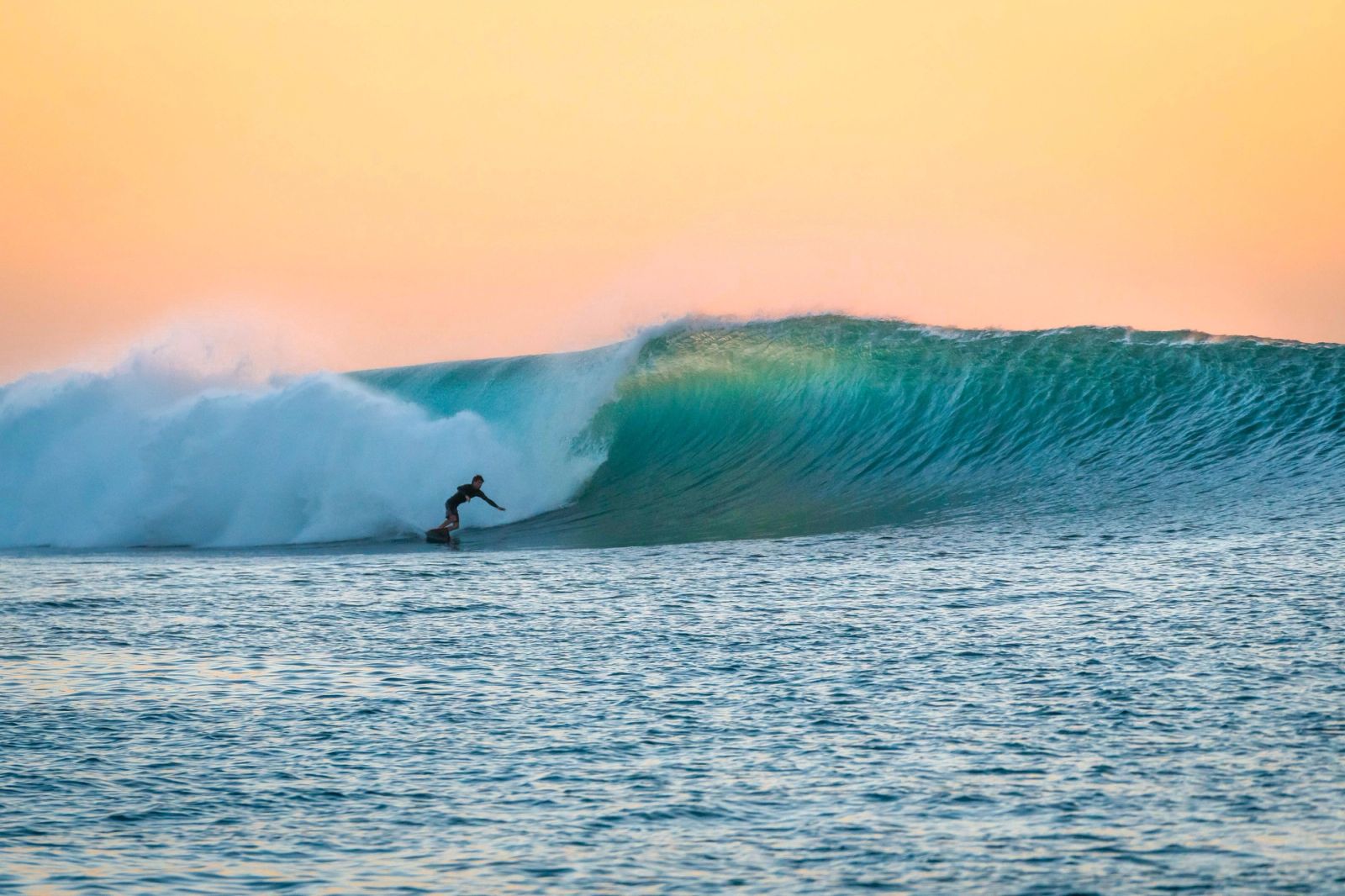
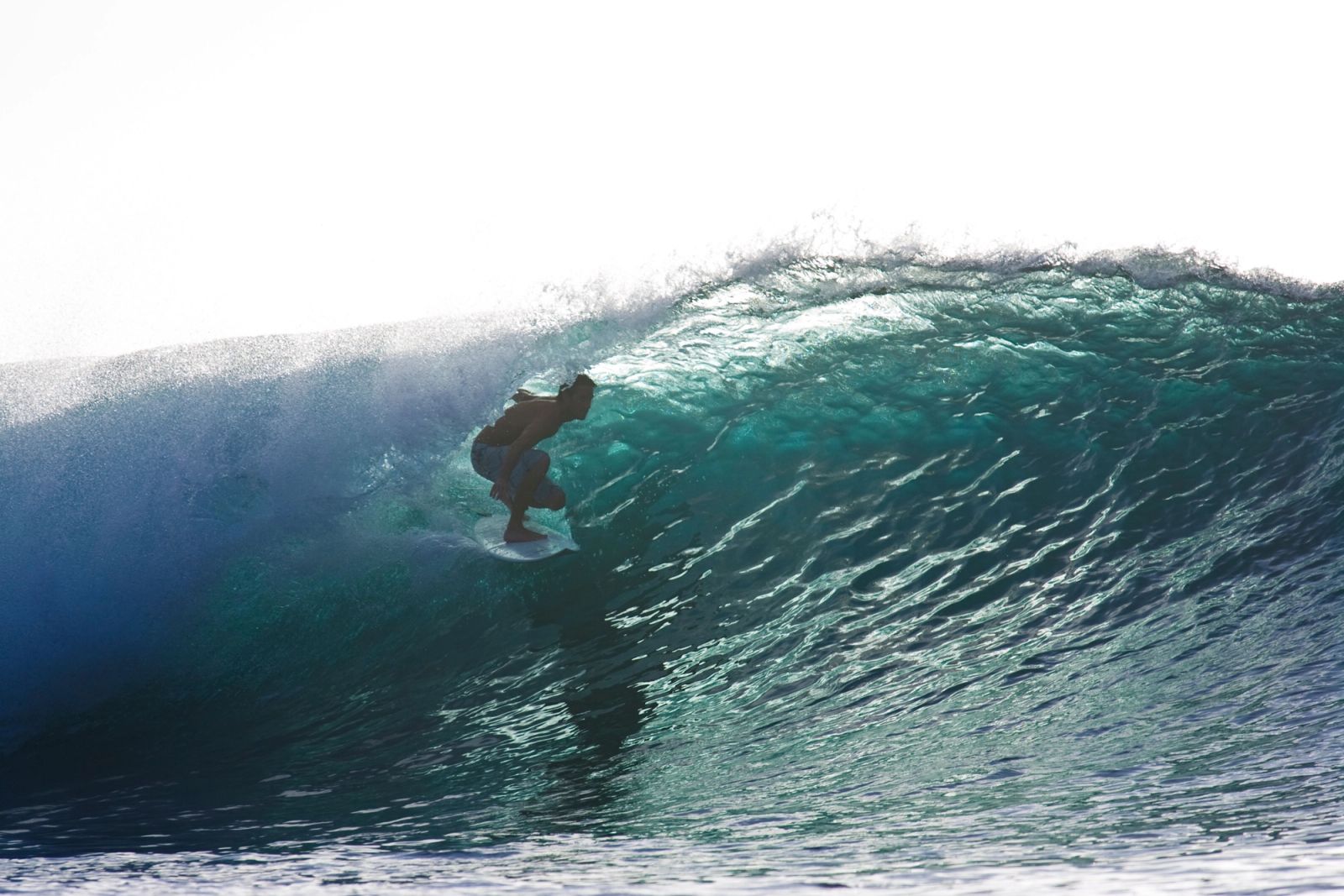
Sumba's southwestern coast absorbs the full force of Indian Ocean swells, producing powerful, consistent breaks for experienced surfers seeking true wilderness conditions.
Empty Lineups Powerful Reef Nihiwatu

Horses in the surf, megalithic tombs, and an ancient faith, Marapu, still practiced today.

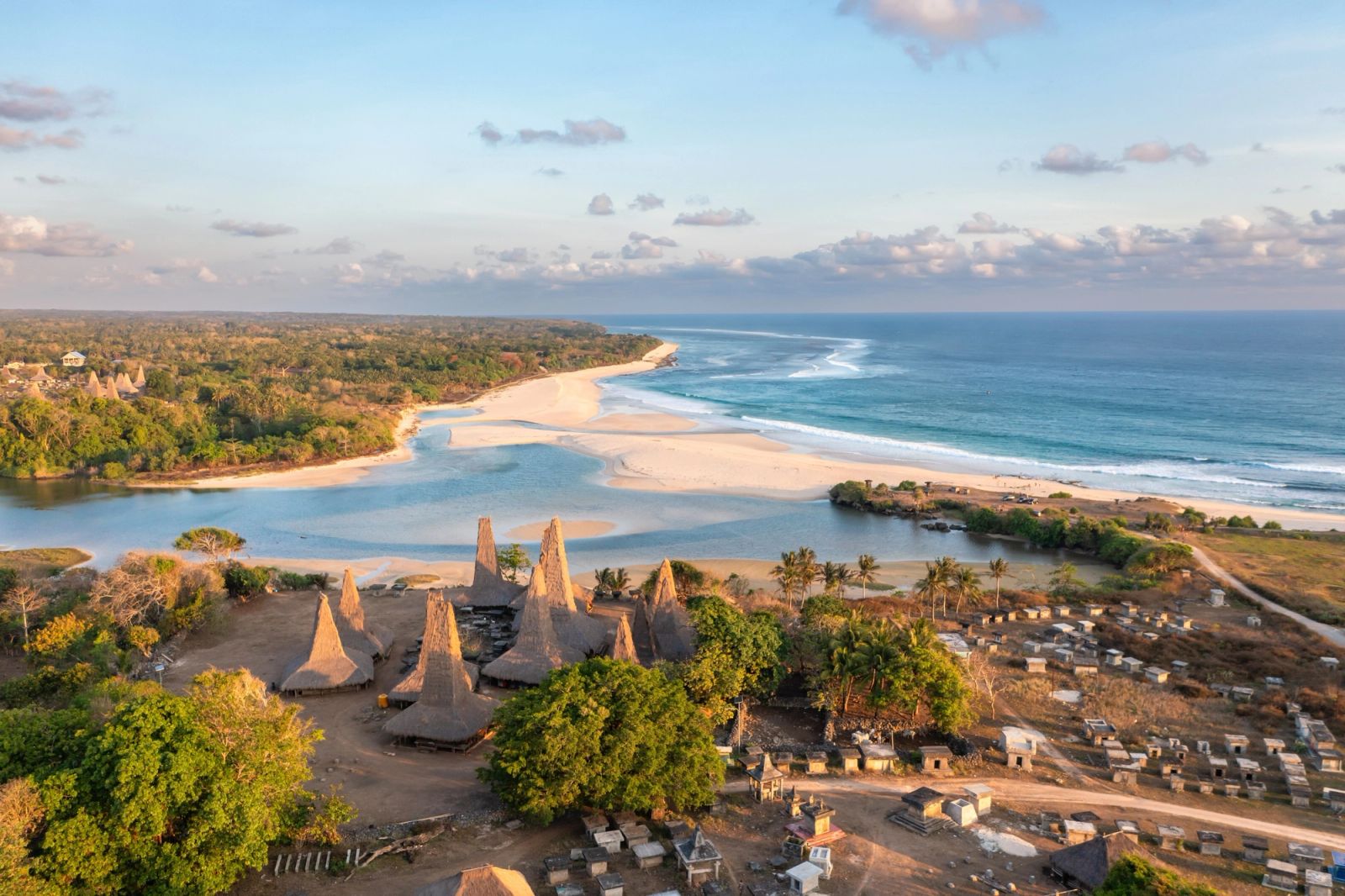
The Neolithic Age still marks this remote island in the Savu Sea, which draws a trickle of adventurous travelers and seasoned surfers. Megalithic tombs stand in villages of thatched clan houses, a reminder that in Sumba, ancient rituals are still part of daily life.
Journey inland and the indigenous animist religion, Marapu, unfolds in sacrificial rites and the use of effigies paying homage to the balance of universal life. Sumba's arid savannah coupled with its distinct cultural traditions create a backdrop steeped in mysticism unlike anywhere else in the world.
The island's exposed southern coastline bears the brunt of howling Indian Ocean swells, producing powerful surf in complete isolation. Offshore, clear deep waters draw divers in search of truly off-the-beaten-track encounters. Inland, uncharted paths lead to historic settlements within deciduous forests where the flora and fauna represent an unusual mix of Asian and Australasian origin.
The crossing months of April and October bring the fleet within reach of Sumba, and Kudanil Explorer comes south here through the summer.

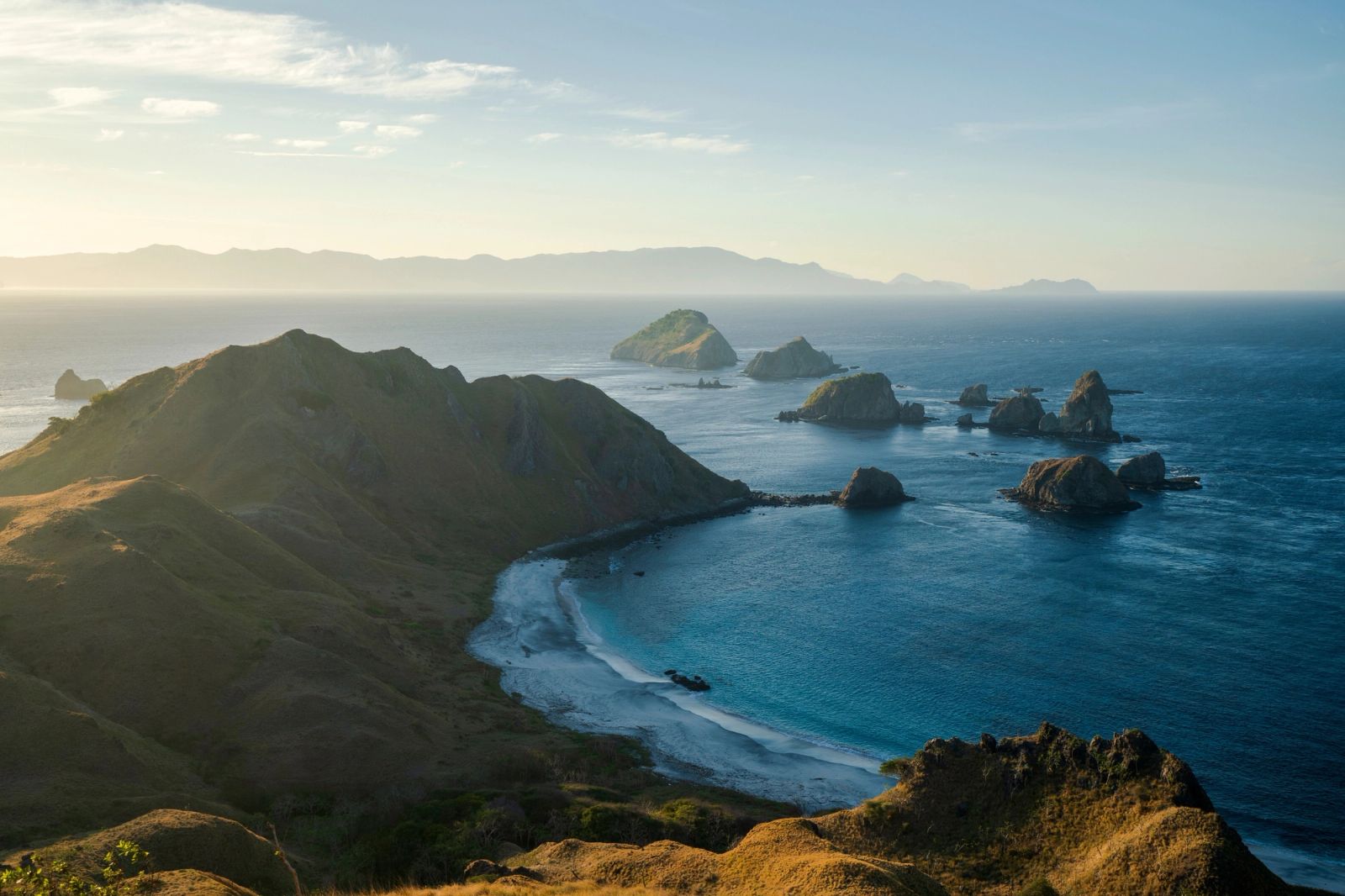
Rock-strewn hills blanketed in Alang grass take the full force of the trade winds on Sumba's southern coast. The exposed coastline attracts swells creating conditions for otherworldly surf safaris in total isolation. Unlike the crowded lineups of Bali or Lombok, Sumba's breaks are shared with almost no one.
Off the coast, deep waters draw fishing boats and divers looking for a truly off-the-beaten-track destination. Weaving through lush jungles, Sumba's rivers are the waterways of life, cascading down waterfalls and ending at expansive, empty beaches.
Heading up the rivers makes for ideal trekking through sparsely populated wilderness inhabited by colorful endemic birds, further adding to Sumba's allure. The thinly populated island has little road infrastructure along the coast, making any foray a recipe for guaranteed adventure.

One of Sumba's most revered practices is ikat: the dyeing and hand-weaving of textiles that can take months to prepare. The results are remarkable, and single pieces carry stories of clan lineage, spiritual power, and Sumbanese identity. Visiting a weaving village is one of the most intimate cultural encounters in all of Indonesia.
Wild horses still roam free along Sumba's coast and grasslands, a sight that evokes the African plains more than an Indonesian island. During the Pasola Festival period, the island transforms into a living theater of ancient ritual, color, and ceremony.

Sumba divides broadly into three regions, each with its own character, terrain, and signature draw. A well-planned 7- to 10-night itinerary typically takes in all three.
West Sumba
Sumba's southwestern coast absorbs the full force of Indian Ocean swells, producing powerful, consistent breaks for experienced surfers seeking true wilderness conditions.

Central Highlands
Set at 600m above sea level, Waikabubak sits amid mahogany plantations and rarely visited traditional settlements, offering the most immersive cultural experience on the island.

East Sumba
The east is stark and windblown: coral limestone and high grass hills marking a place firmly rooted in time. Waingapu, the island's trading hub, draws merchants and travelers on market Saturdays.
Sumba rewards those who seek depth. From powerful surf breaks to sacred villages and quiet waterfalls, every experience here feels genuinely unfiltered.

West Sumba, Surf
One of the world's most celebrated private surf breaks, producing long, powerful lefts over a shallow reef.

West Sumba, Surf
A powerful beach break drawing swells directly from the Indian Ocean, offering consistent surf in complete isolation.

West Sumba, Nature
A turquoise saltwater lagoon formed where the ocean meets a natural rock basin, perfect for swimming in flat, clear water.

Central Highlands, Culture
One of Sumba's most photogenic ancestral villages, where conical thatched rooftops and stone slab tombs are still in daily use.
Coastal Habitats & Wildlife
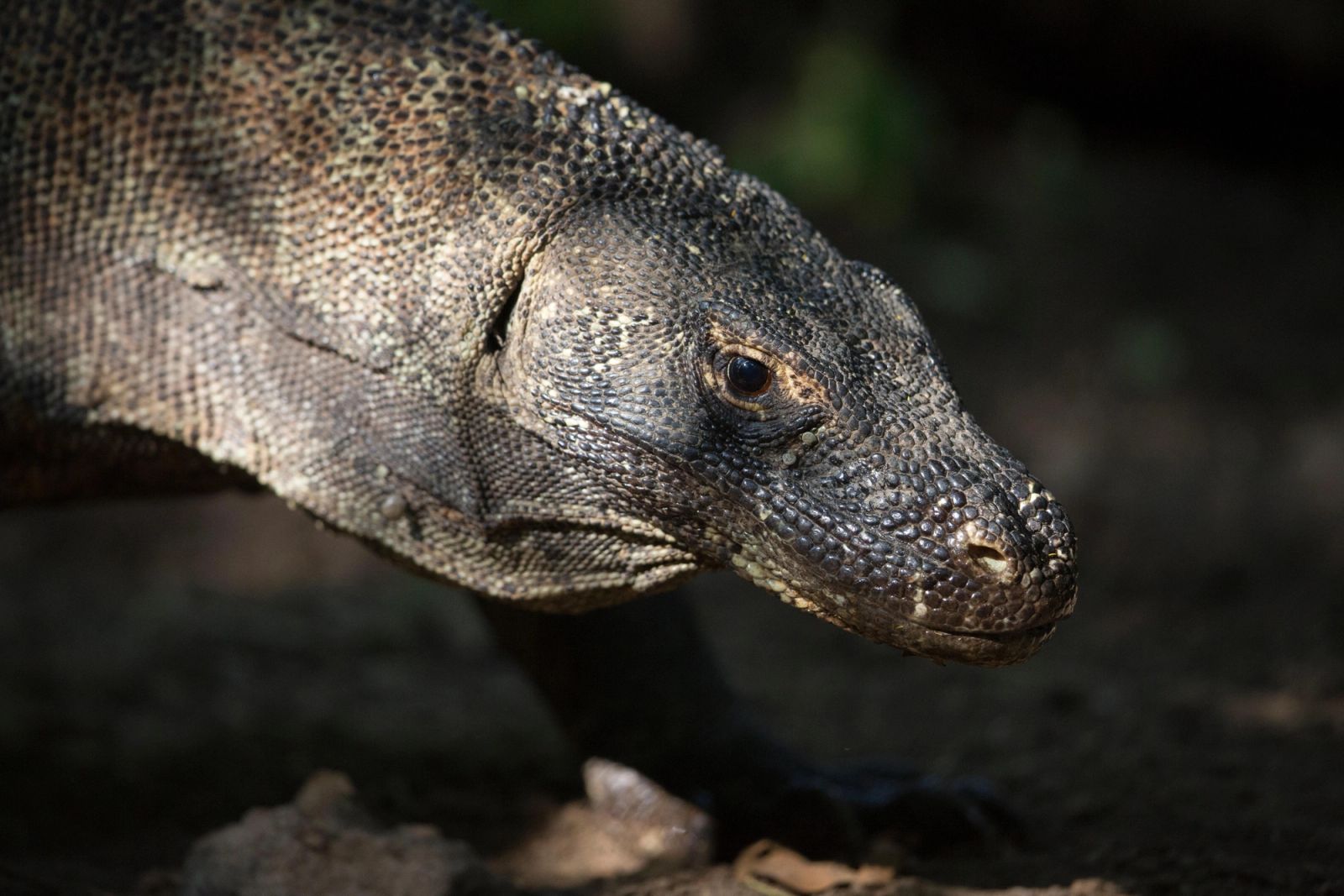
Positioned along the Wallace Line, Sumba hosts a unique crossover of Asian and Australasian species found nowhere else in quite the same combination.

Nudibranchia
Small sea slugs in vivid colors, found on Sumba's reefs by divers who slow down and look closely.

Caranx spp.
Schools of trevally patrol the reef edges, and giant trevally hunt the deeper water off the south coast.

Amphiprioninae
Clownfish shelter in their host anemones on Sumba's shallow reefs, an easy find for snorkelers of every age.

Bred on the island for centuries
Small, hardy horses that run wild along Sumba's coast and grasslands, central to the Pasola Festival and Sumbanese identity.
From the Charter Team
Practical notes for Sumba.

The Pasola Festival date is set by local nyale-worm priests, not a fixed calendar date. It typically falls between February and March, varying by village. We track local predictions each year and arrange a stay at Nihi Sumba for guests who want to see it.

Approaching a Sumbanese village without proper introduction can close doors permanently. Our guides carry betel nut and know the correct greeting rituals. A brief ceremony of respect with the village elder transforms a tourist visit into a genuine welcome.

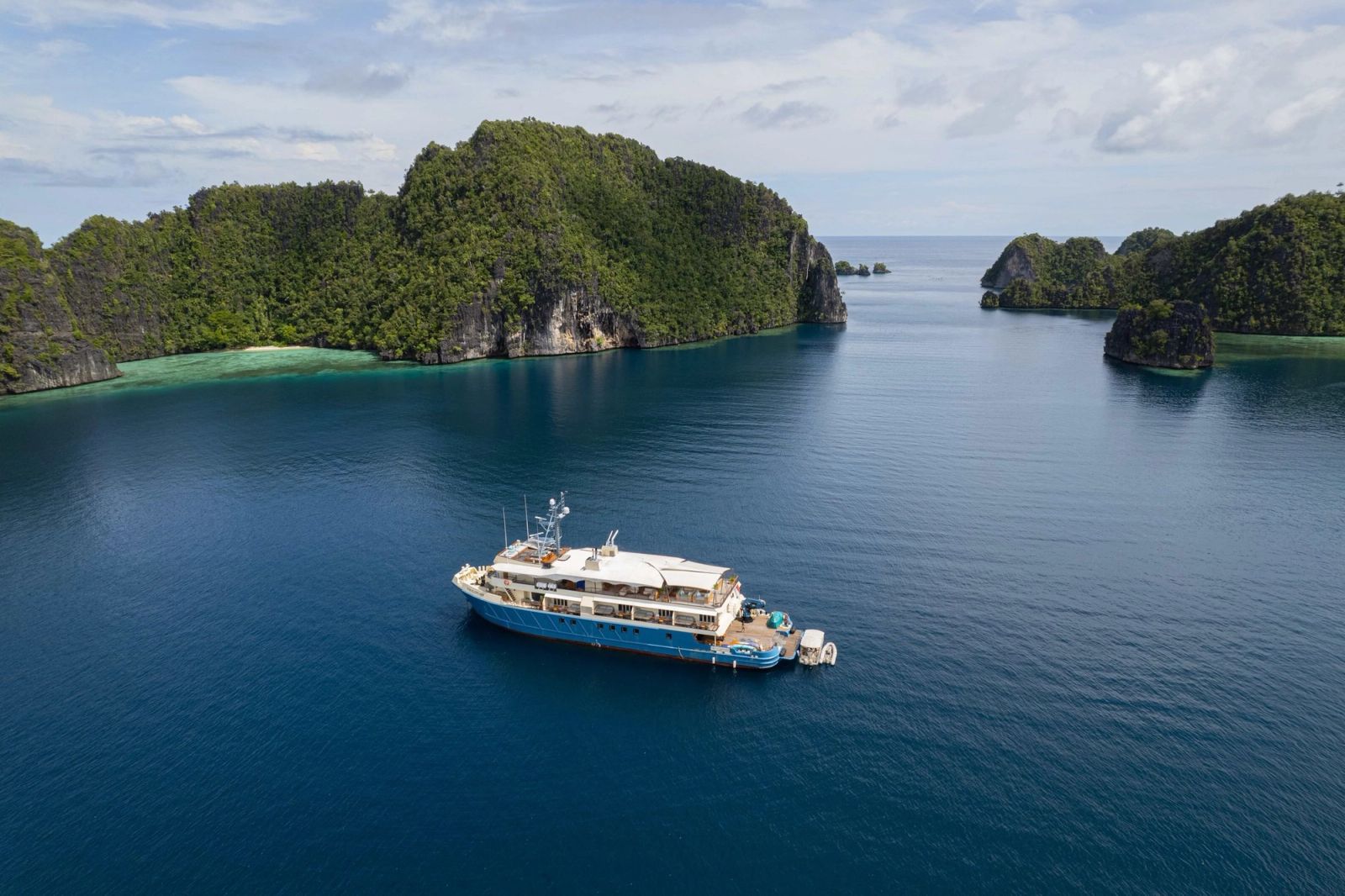
Sumba's south is spectacularly wild but exposed. Most overnight anchorages are found on the calmer north coast between Waingapu and the northwest tip. We plan day runs to the surf beaches from protected northern anchorages, then return for comfortable evenings.

The best ikat pieces never reach the markets. Master weavers in East Sumba sell from their homes, a guide arranges the visit, and every purchase goes to the weaver's family. We build at least one visit into every Sumba charter.

Sumba's horses are part of the island's identity. A sunrise ride along the sand near Nihi Sumba is the calmest hour of the day on the south coast, and we arrange it on request.

The deep water immediately off Sumba's south coast holds remarkable pelagic fish populations: GT, wahoo, mahi-mahi, and marlin have all been taken within 30 minutes of leaving a south coast anchorage.
When to Go
| Month | Conditions | Visibility | Swell |
|---|---|---|---|
| January | Wet season, small swell | 10-15m | Low |
| February | Wet season, small swell | 10-15m | Low |
| March | Early swells, unsettled | 15-20m | Low |
| April | First clean south swells | 15-25m | Medium |
| May | Trades in, consistent swell | 20-30m | High |
| June | Peak swell, offshore trades | 20-30m | High |
| July | Peak swell, offshore trades | 20-30m | High |
| August | Peak swell, offshore trades | 20-30m | High |
| September | Solid swell, settled seas | 20-30m | High |
| October | Lighter winds, good waves | 20-25m | Medium |
| November | Swell fading, rains near | 15-20m | Low |
| December | NW monsoon, small swell | 10-15m | Low |
The dry season delivers the most reliable conditions for both surfing and cultural exploration. April to October brings consistent southeast trade winds, flat anchorages on the sheltered north coast, and the best swell on the south, peaking June to August. Visibility offshore is excellent.
April is the turn of the season. The trade winds fill in, the first long-period south swells arrive clean, and the north-coast anchorages settle. October mirrors it in reverse: lighter winds, warm water, and good waves between weakening pulses. Both months carry far lighter traffic than the June to August peak.
The northwest monsoon brings heavy rain, rough seas, and difficult conditions for coastal navigation. Most charter operators pause Sumba itineraries during this period. Exceptions are possible on sheltered routes but require experienced captains.
Travel Logistics
From Bali (DPS)
1h 25m , direct
From Lombok (LOP)
1h 05m , direct
From Jakarta (CGK)
3h 30m , 1 Stop
From Singapore (SIN)
5h+ , 1 stop
From Sydney (SYD)
9h+ , 1 Stop
Tambolaka serves West Sumba and is the recommended gateway for charters focused on the surf coast and cultural highlands. Regular connections via Bali (Denpasar) take approximately 1.5 hours with Garuda Indonesia, Citilink, and Wings Air. Bali connections are available daily. Lombok connections operate two to three times weekly.
Waingapu serves East Sumba and is convenient for itineraries that begin in the east before heading west. The same Bali connections apply. Some charters embark at one airport and disembark at the other, allowing a full island traverse.
Private charter flights from Bali to either Sumba airport can be arranged in under 90 minutes. For groups of 6 or more, private aviation often makes sense. Our travel support team handles all arrangements.
1.5 hrs from Bali · 2 Airports tMC & WGP · Daily bali Connections
Read the full guideSample Voyages
Sample voyages from 7 to 10 nights along Sumba's southern coast, combined with Rote, Savu, or Komodo for an extended Lesser Sundas surf and adventure charter.
April through October is the charter season. For surf, July and August produce the largest swells and are best suited to expedition-calibre vessels, often on a combined Sumba, Savu, and Rote charter. April and October are the calmest months. The Pasola in February or March is best seen from a stay at Nihi Sumba. Those months sit outside the charter season.
Absolutely. Sumba's cultural richness, endemic birdlife, waterfalls, snorkeling, fishing, and village visits make it compelling for non-surfers. We design itineraries that satisfy mixed groups with and without surf interests.
Regular commercial flights connect Bali to both Tambolaka (TMC) in the west and Waingapu (WGP) in the east. The flight is approximately 1.5 hours. Private charter flights from Bali are also available.
Sumba's best breaks are powerful and not for beginners. Experienced surfers comfortable on overhead-plus reef breaks will have the most rewarding experience. We always scout conditions before committing to a session.
Interested in Chartering Sumba?
Please get in touch to discuss planning your private charter.