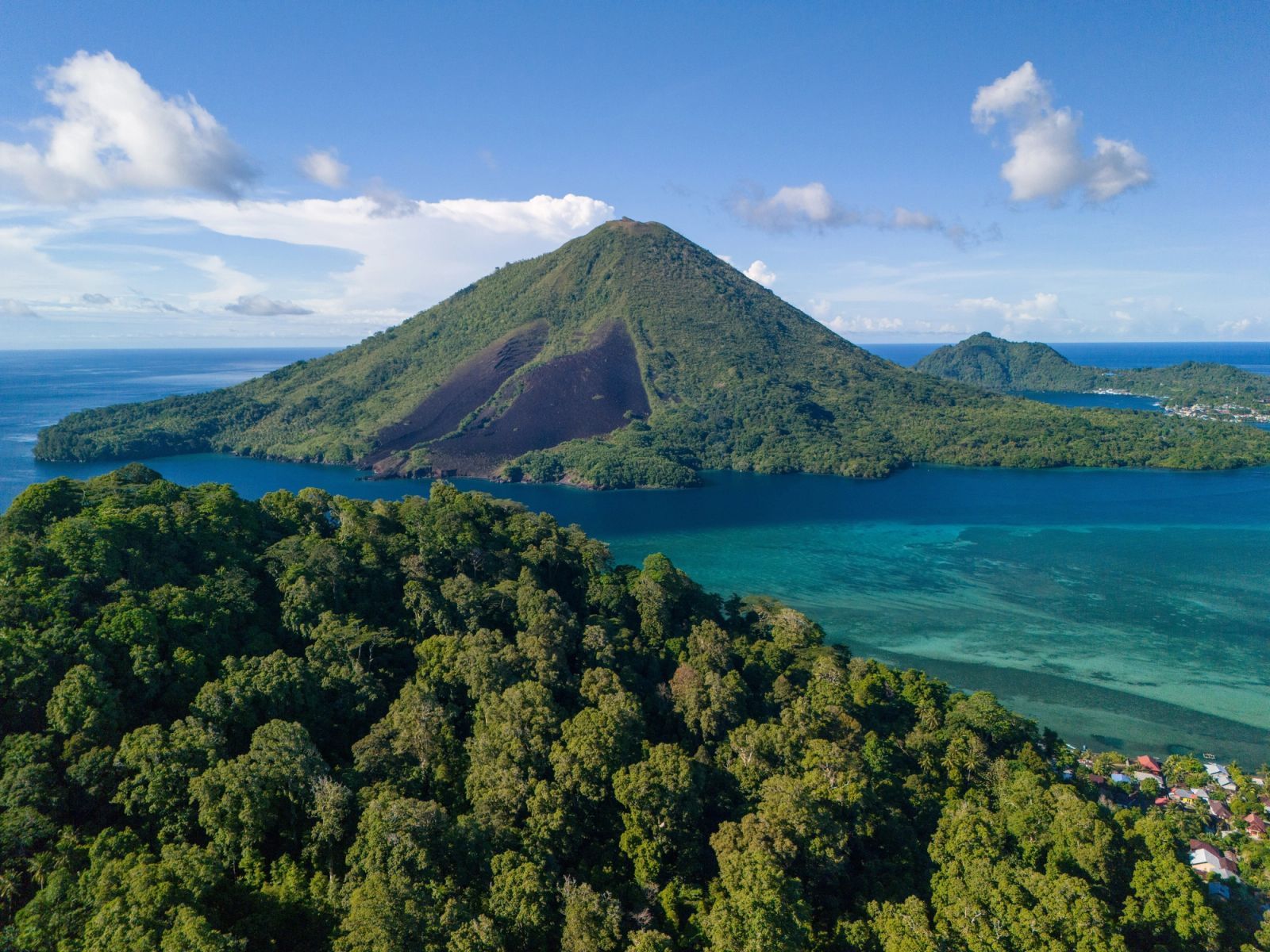
Central Sulawesi, Indonesia

Banggai Islands

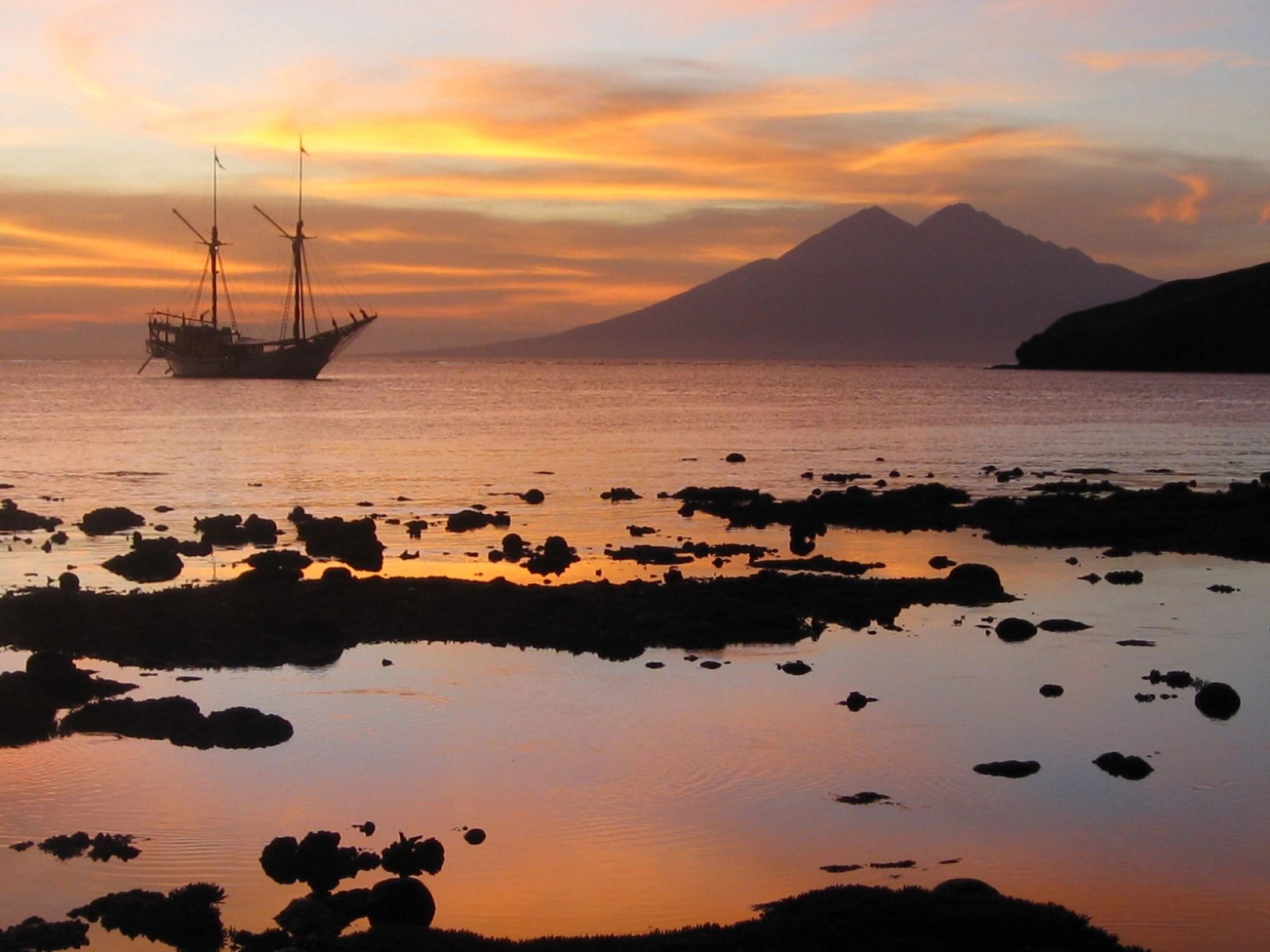
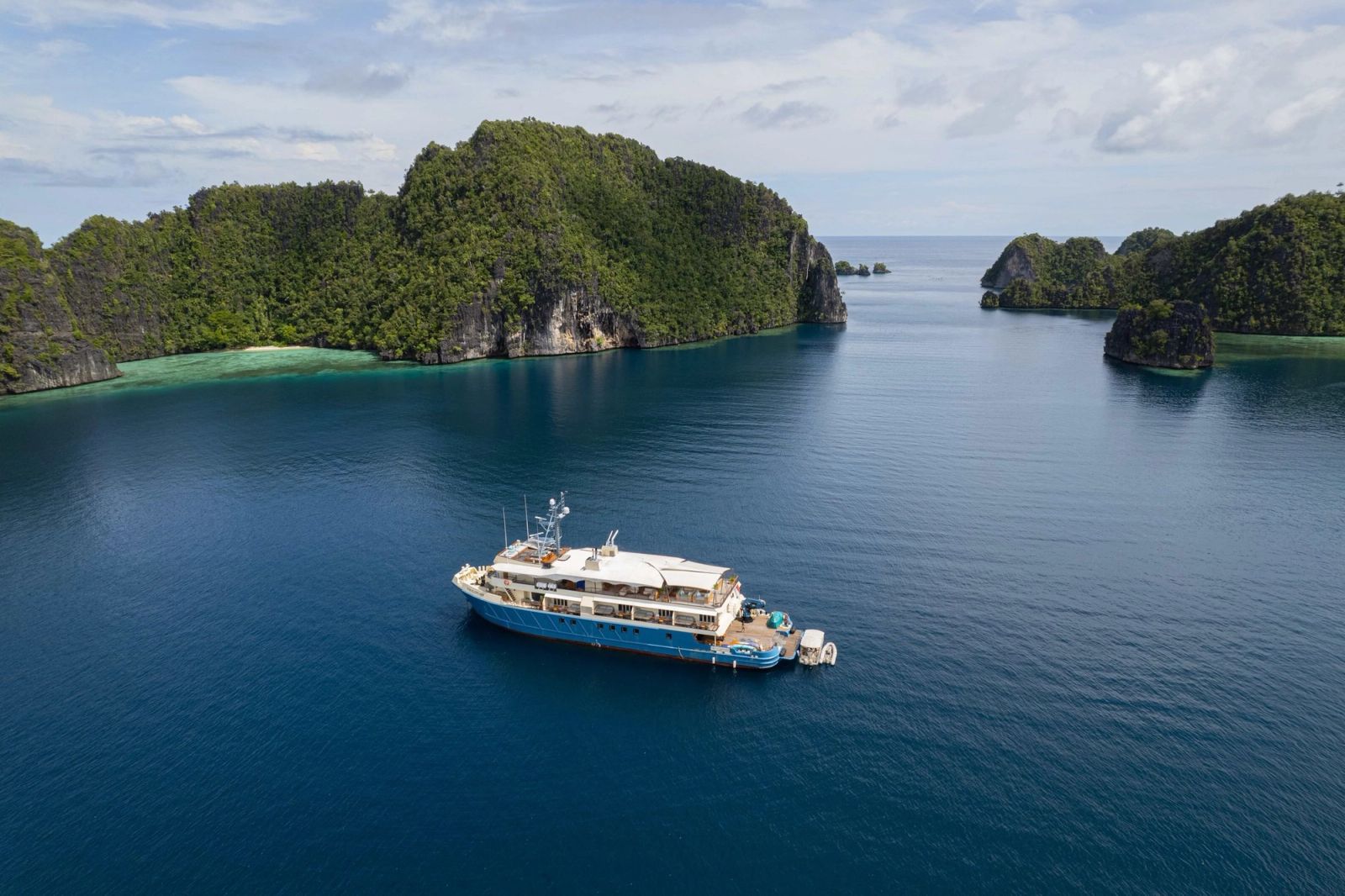
Few charters ever reach this inland sea of more than a hundred islands, where the Bajau still fish under sail.

Central Sulawesi, Indonesia
100+
Islands in the Archipelago
1 Species
Endemic Cardinalfish
Year-round
Season
Luwuk (LUW)
Gateway Airport
100+
Islands in the Archipelago
1 Species
Endemic Cardinalfish
Year-round
Season
Luwuk (LUW)
Gateway Airport
01

A True Frontier in the Heart of Sulawesi

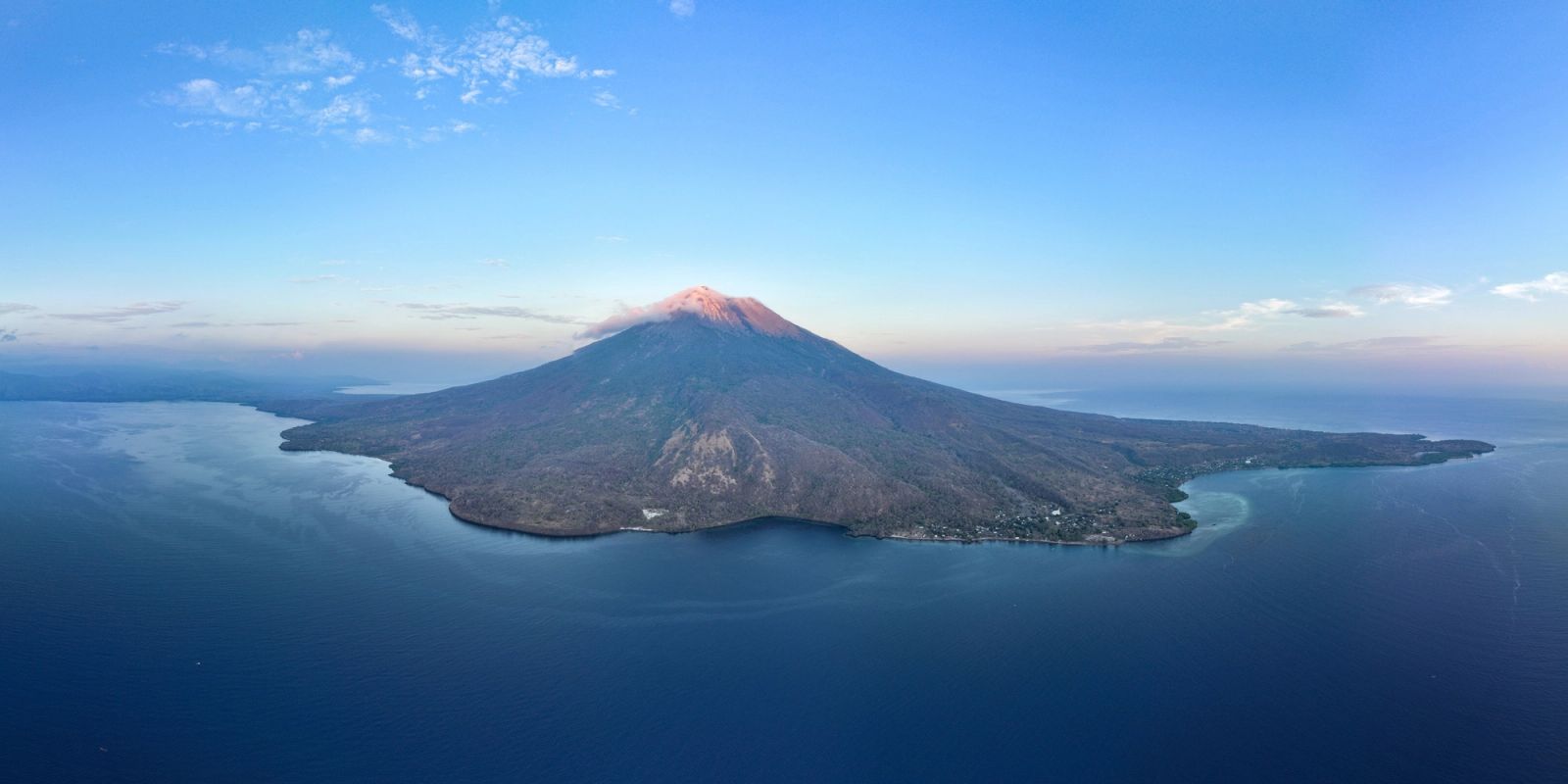
The Banggai Archipelago drifts between Central Sulawesi and the Molucca Sea, a chain of over 100 islands scattered across an inland sea that almost no traveler has visited. Far from the established circuits of Indonesian tourism, this is a destination where the modern world feels genuinely distant. The only boats you will see belong to local fishermen. The only footprints on the beaches are likely your own.

What makes the Banggai Islands exceptional is a specific kind of rarity: this is the only place on earth where the Banggai cardinalfish exists in the wild. This small, striking fish, with its silver body barred in black and dotted white fins, has evolved in complete isolation here. It is one of Indonesia's most recognized endemic marine fish, a designation that draws marine biologists, underwater photographers, and curious travelers to these otherwise untrafficked waters.

Below the surface, vertical walls plunge hundreds of meters into the Banda Sea, draped in black coral and gorgonian fans. Inner lagoons shelter dense fringing reefs alive with frogfish, ribbon eels, and bobtail squid. Across the archipelago, a rapid marine assessment recorded over 314 coral species and 819 fish species, a biodiversity count that rivals destinations many times more famous.

The islands have been home to the Banggai people for centuries, a seafaring society whose kingdom at one time exerted influence across this stretch of the Molucca Sea. On Peleng, the largest island, traces of the old sultanate remain in local customs, traditional weaving patterns, and the distinctive architecture of coastal villages. The Bajau sea nomads, known throughout Southeast Asia for their freediving ability and their centuries of ocean-based life, are also present here, living in stilt villages built over the shallows and fishing reefs that tourists have never touched.

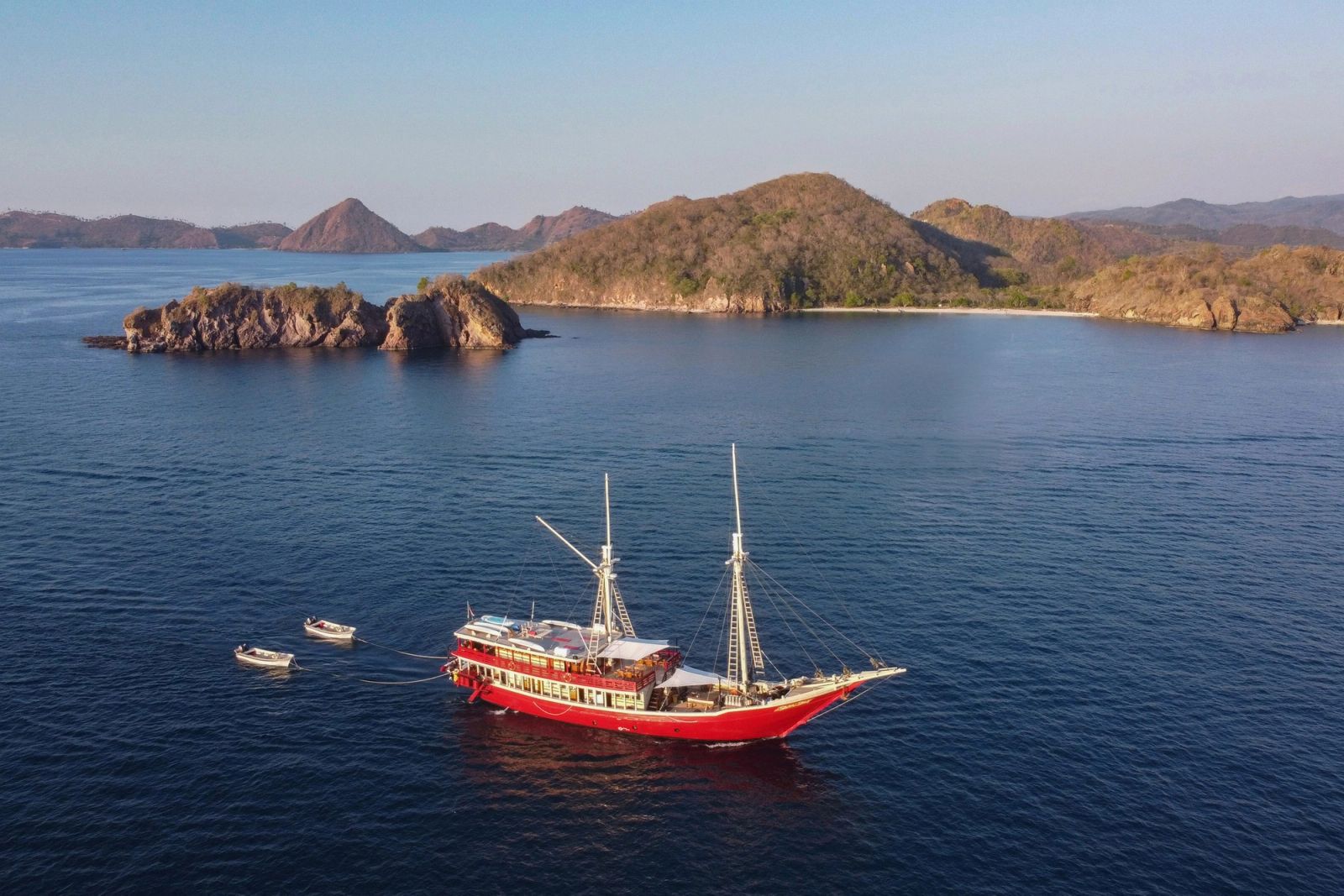
A charter here offers something increasingly rare: the chance to be genuinely the first yacht in the bay.

April and October, when the fleet crosses between Komodo and Raja Ampat, are the months a yacht can route through Banggai.


A Banggai cardinalfish, the endemic species found nowhere else on earth.
02

Why the Banggai Islands Are Different

Most of Indonesia's great dive destinations are now well-known. Komodo, Raja Ampat, Wakatobi, Lembeh, these names appear on every diver's bucket list, and with that recognition has come infrastructure, crowds, and regulations designed to manage pressure on reefs. The Banggai Islands have not reached that inflection point.

The dive sites here are primarily offshore walls and atolls, with vertical drop-offs descending hundreds of meters. The outer reefs see strong currents and require good buoyancy control, but reward experienced divers with encounters that feel genuinely wild: turtles on deep gorgonians, groupers the size of a diver's torso, eagle rays cruising the blue water beneath the wall. The inner islands offer completely different terrain, dense fringing coral gardens sheltering the small, slow-moving creatures that make macro photographers come back year after year.

No liveaboard industry has established itself here, and the infrastructure for large-scale dive tourism simply does not exist. The way to explore these reefs properly is by private charter with a vessel equipped for expedition diving.

Paisu Pok on Peleng Island, a glassy freshwater lake ringed by jungle.
03

Beyond the Reef

The Banggai Islands reward exploration well above the waterline. Paisu Pok Lake on Peleng Island is perhaps the most remarkable. A landlocked cobalt-blue lake of startling clarity, it is fed by underground freshwater springs and ringed by jungle. No motorized vessels are permitted on the water, keeping it glassy and silent. Kayaking across it at dawn, with mist lifting off the surface, is an experience with no equal in the Indonesian archipelago.

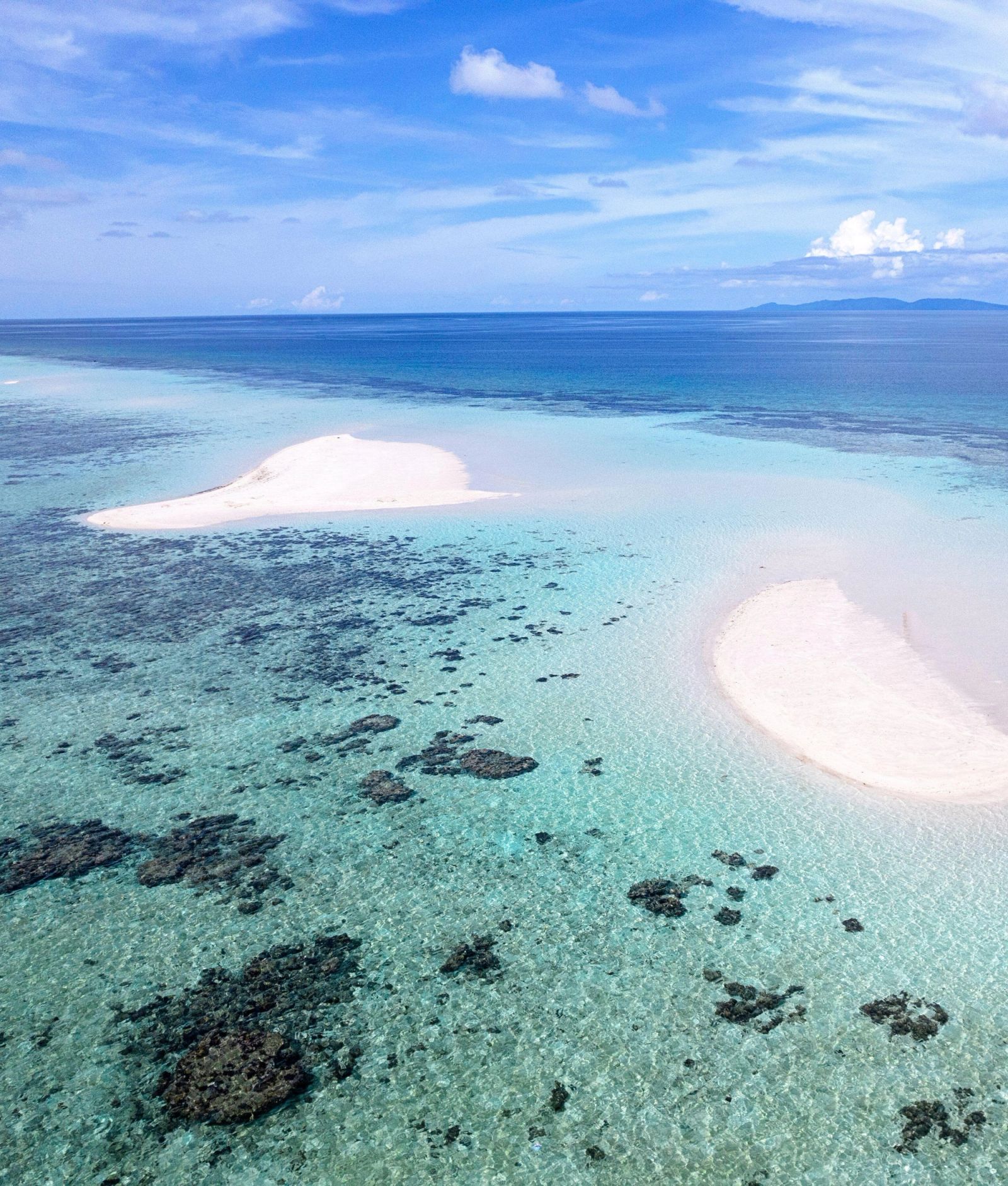
The adjacent Paisu Batango Lagoon is a shallow spring where freshwater meets the ocean, creating emerald pools ideal for swimming. On Mbuang-Mbuang Island, a jellyfish lake shelters harmless, stingless jellyfish in such numbers that swimming among them feels like entering another dimension entirely. The white-sand beaches of Peleng, Mandel, Oyama, and Poganda stretch empty in both directions. Limestone caves on Peleng contain brilliant blue pools deep inside, accessible on guided treks through forest.

A reef-fringed village on the coast of the Banggai archipelago, seen from the air.
Three Distinct Worlds

Exploring the Banggai Archipelago

The Banggai Archipelago divides naturally into three zones, each with its own character. A well-designed itinerary moves between all three: the open-water outer atolls, the sheltered inner reefs, and the remarkable freshwater and island landscapes of Peleng.

Outer Archipelago

Outer Archipelago

Offshore Atolls & Walls

The outer edges of the archipelago drop vertically into the Banda Sea. These walls are draped in gorgonian fans, black coral, and deep-water sponges. Strong currents bring pelagics: turtles, reef sharks, eagle rays, and occasional hammerheads. Advanced diving at its most rewarding.

Reef Sharks Drop-Offs
Inner Islands

Inner Islands

Fringing Reefs & Cardinalfish

Sheltered by the outer atolls, the inner islands host dense fringing coral gardens in calm, clear water. This is prime territory for the endemic Banggai cardinalfish, encountered among sea urchins and anemones in large, undisturbed groups. Frogfish, ribbon eels, and bobtail squid are also resident.

Macro Diving Cardinalfish
Peleng Island

Peleng Island

Lakes, Caves & Highlands

The largest island in the archipelago offers dramatic freshwater landscapes: the clear freshwater Paisu Pok Lake, the emerald Paisu Batango Lagoon, limestone caves with interior pools, and white-sand beaches backed by rainforest. Peleng tarsiers and tropical birds inhabit the interior.

Paisu Pok Lake Limestone Caves Peleng Tarsier
Expedition Diving

Dive & Snorkel Sites

The Banggai reefs range from deep current-swept walls for experienced divers to calm, shallow gardens ideal for snorkeling. Most inner reef sites are accessible to Open Water divers. Outer atoll sites require Advanced certification and good buoyancy control.

Inner Islands, Bobo Island

Inner Islands, Bobo Island

Bobo Island Reef

The most reliable site to encounter the endemic Banggai cardinalfish. Dense colonies live among sea urchins in shallow fringing reef, undisturbed and easily photographed.

Snorkel OK Cardinalfish
Outer Reefs, Peleng Strait

Outer Reefs, Peleng Strait

Peleng Strait Walls

Vertical drop-offs festooned with black coral and sea fans descending beyond 40m. Current-driven sites with excellent pelagic activity including sharks, rays, and schooling jacks.

Pelagics Advanced
Banggai Laut, Bontolan

Banggai Laut, Bontolan

Bontolan Beach

Clear shallows right from shore. Prime cardinalfish territory with excellent visibility for snorkelers. Turtles rest on the sandy bottom between coral heads.

Turtles Cardinalfish Snorkel
Banggai MPA, Lumbi Lumbia

Banggai MPA, Lumbi Lumbia

Lumbi Lumbia Bay

Heart of the Banggai Marine Protected Area. Dense coral gardens in excellent condition, surveyed by conservation scientists. Schools of anthias and fusiliers in continuous motion.

Protected Coral

Marine Life

What Lives Here

A rapid marine assessment recorded 314 coral species and 819 fish species in the Banggai Archipelago. The diversity spans the full spectrum from endemic macro subjects to large pelagic encounters in the open blue.

Pterapogon kauderni

Banggai Cardinalfish

Pterapogon kauderni

Endemic to the Banggai Archipelago and not found anywhere else in the wild. The cardinalfish shelter among sea urchin spines and in anemones in shallow reef zones. The male mouthbroods eggs and gives oral shelter to juveniles after hatching.

Chelonia mydas

Green Sea Turtle

Chelonia mydas

Regularly encountered resting on sandy bottoms and grazing on seagrass in the sheltered inner bays. Banggai's undisturbed reefs make turtles unusually relaxed and approachable around divers and snorkelers.

Rhinomuraena quaesita

Blue Ribbon Eel

Rhinomuraena quaesita

A macro photographer's dream. Males display vivid electric blue with yellow-tipped jaws. Females transition to all yellow. Found peering from burrows in sand and rubble on inner fringing reefs. Like all blue ribbon eels, they begin life as males before transitioning to females.

Antennarius pictus

Painted Frogfish

Antennarius pictus

Masters of disguise, sitting motionless on sponges and coral rubble in full camouflage. The inner reef muck zones of Banggai are exceptional for frogfish sightings, with multiple species including the tiny warty frogfish also present.

Triaenodon obesus

Whitetip Reef Shark

Triaenodon obesus

Common on the outer atoll walls, often resting on ledges or patrolling reef edges. Blacktip reef sharks are also present in shallower zones. Occasionally, larger species including grey reef sharks appear on the deeper walls.

Aetobatus narinari

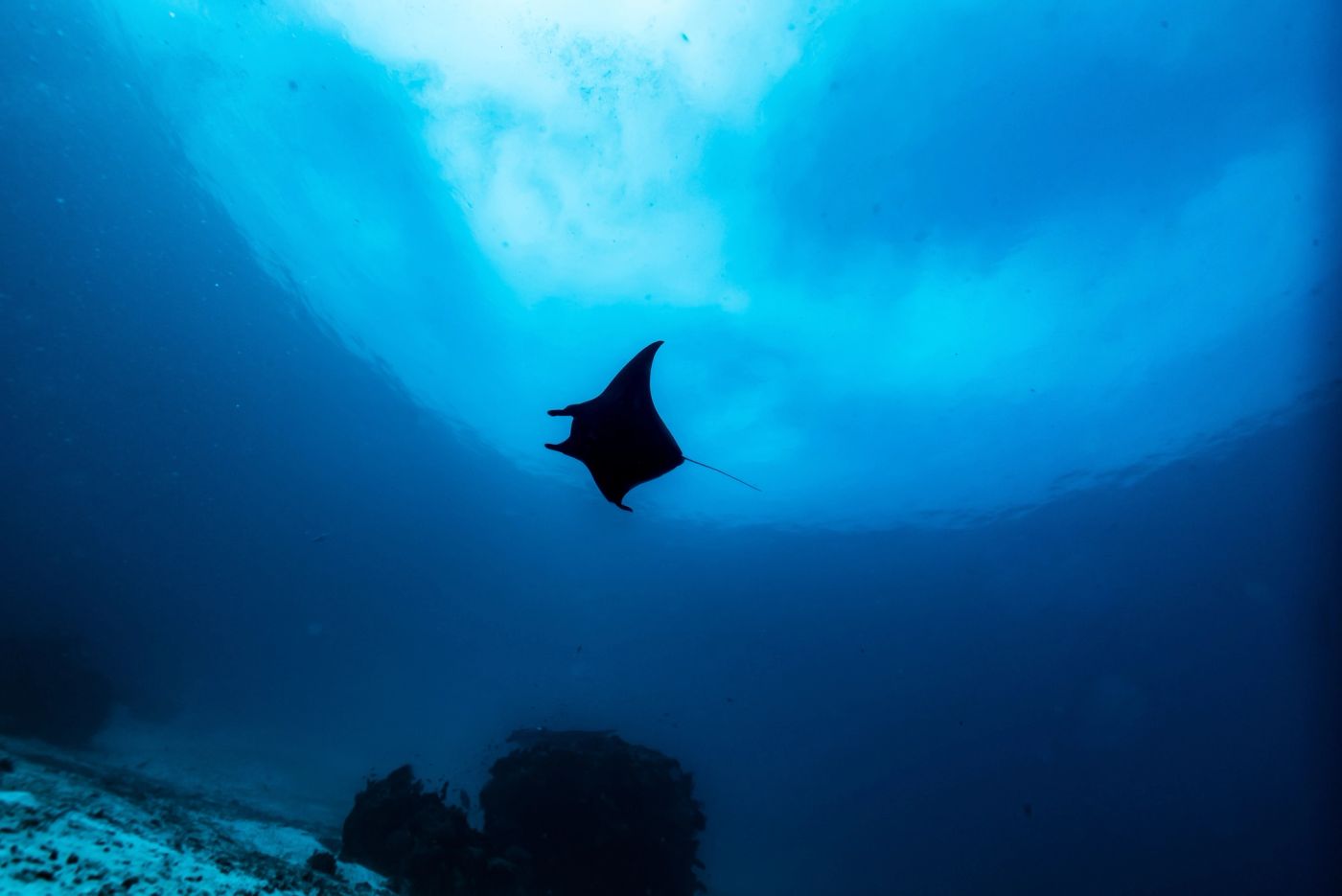
Spotted Eagle Ray

Aetobatus narinari

A highlight of the outer atoll dives, spotted eagle rays fly in small groups through the blue water below the reef edge. Their spotted dorsal pattern and graceful wing-like pectoral fins make them among the most elegant sights in the Banggai underwater world.

The Numbers

  • 100+ Islands in the archipelago
  • 314 Coral species recorded
  • 819 Fish species recorded
  • 1 Endemic marine fish species found nowhere else on earth
  • 1,912 km² Total land area across the archipelago

From the Charter Team

Insider Knowledge

Practical notes for a Banggai charter.

Paddle Out at Dusk

Paddle Out at Dusk

The lagoons go glassy in the last hour of light. A sunset paddle from the anchorage is the quietest part of a Banggai day, and the crew has kayaks ready when you are.

Outer Atolls Are Tide-Dependent

Outer Atolls Are Tide-Dependent

Surface currents flow northward past the Banggai outer atolls. Outer wall dives require careful planning around tidal windows. The captain sets the outer wall dives around slack water, and the exposed sites are attempted only when conditions allow.

Paisu Pok is Best at Dawn

Paisu Pok is Best at Dawn

The lake is at its best in the first hour after sunrise when mist sits on the water and the surrounding jungle is alive. Plan to reach it before 7am. Paddling by kayak is the only way in, as engines are prohibited. The silence is complete: you will forget you are on a charter.

Approach Bajau Villages Respectfully

Approach Bajau Villages Respectfully

The Bajau sea nomads welcome visitors but are not a tourism display. Bring a small gift of food or fishing supplies before entering a village. Photograph with permission only. The conversations that come from respectful engagement (about freediving, tide reading, and traditional boat-building) are among the most memorable parts of a Banggai charter.

The Jellyfish Lake Is Optional But Unmissable

The Jellyfish Lake Is Optional But Unmissable

The jellyfish lake on Mbuang-Mbuang is a short detour that every guest who has done it describes as one of the most surreal experiences of their life. Allow two hours for the snorkel and exploration. The jellyfish are genuinely stingless. No protective suit is required. Just float among them.

Connectivity Is Minimal: Plan Ahead

Connectivity Is Minimal: Plan Ahead

Mobile signal exists in Luwuk and some of the larger island towns, but drops completely in the outer archipelago. Charter vessels in this region carry satellite communication for safety and emergency contact. Inform family and colleagues before departure. Many guests find the disconnection one of the expedition's greatest gifts.

When to Go

Season Guide

Month Conditions Visibility Reef Life
January Poor 10-15m High
February Poor 10-15m High
March Excellent 20-25m High
April Excellent 20-25m High
May Excellent 20-25m High
June Good 18-22m High
July Good 18-22m High
August Good 18-22m High
September Very Good 20-25m High
October Excellent 20-25m High
November Excellent 20-25m High
December Excellent 20-25m High

Peak Season: Oct-Dec & Mar-May

The Banggai Islands have a specific dive season determined by monsoonal weather patterns. Offshore atoll diving is at its best during two windows: October through December, and March through May. During these periods, seas are calm enough to reach the outer walls and atolls safely, and underwater visibility is at its clearest, reaching 20 to 30 meters on the best days.

The inner island reefs and sheltered bays are diveable and snorkel-friendly year-round. It is only the exposed outer sites that require the calmer peak conditions.

Shoulder Season: June through September

June through September brings drier weather but more wind on the outer atolls. Inner reef diving and cardinalfish viewing remains excellent, and above-water exploration is at its best: lake kayaking on Paisu Pok, beach exploration, island trekking.

August and September often see the calmest of the shoulder months, with excellent visibility on the inner reefs. Good for dedicated macro photography and snorkeling guests.

A Note on the Wet Season (January & February)

January and February bring the northwest monsoon, with conditions too rough for outer atoll dives in most years. A competent captain monitors forecasts and adapts the itinerary, prioritizing sheltered sites when the outer atolls are not safely accessible. Banggai's inner island diving remains excellent regardless of outer conditions.

Getting There

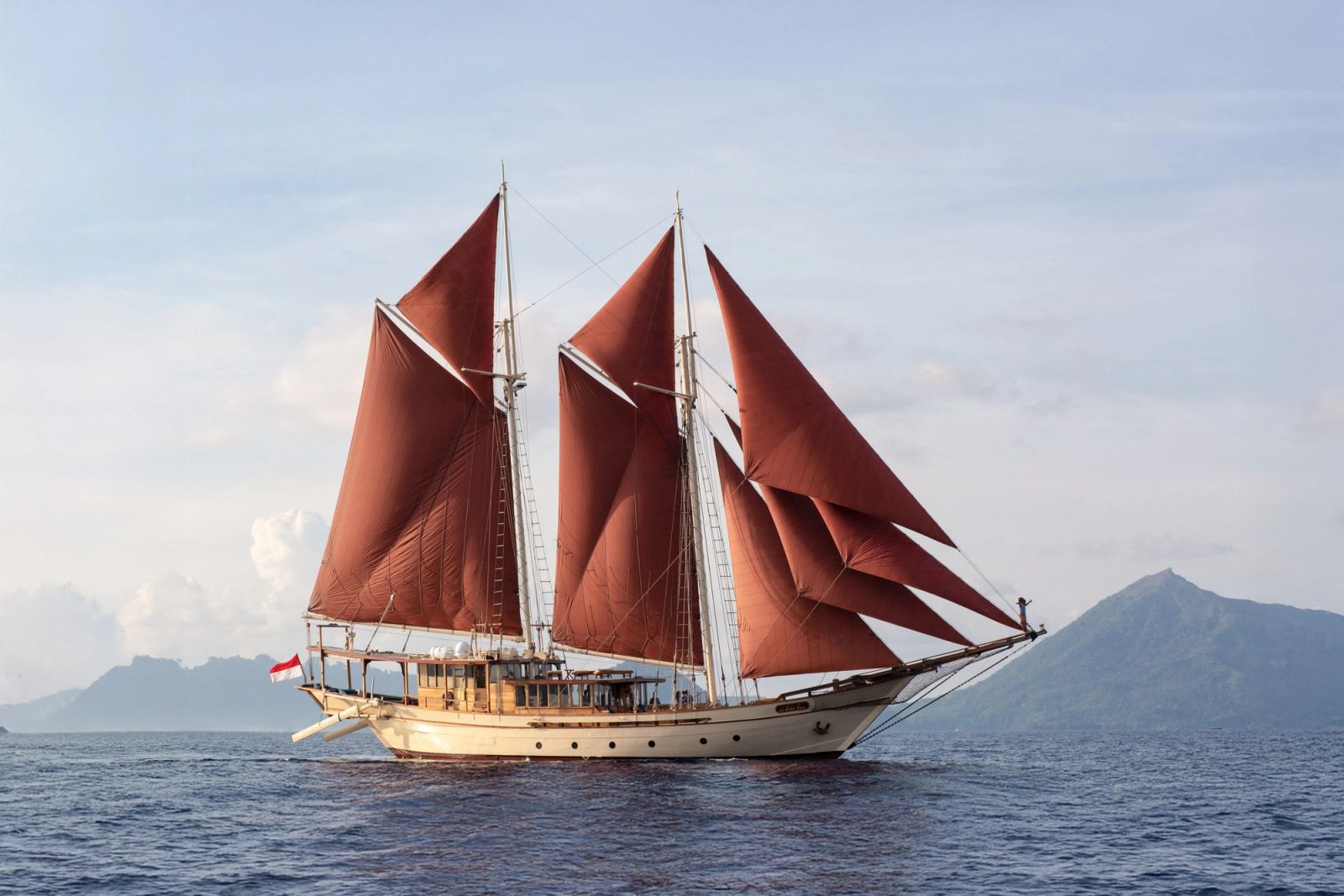
How to Get to Banggai Islands

From Bali (DPS)

~3-4 hrs , 1 Stop

From Jakarta (CGK)

~3-4 hrs , 1 Stop

From Makassar (UPG)

~1-2 hrs , direct

From Palu (PLW)

~1 hr , direct

From Singapore (SIN)

~5 hrs , 1 Stop

Gateway: Luwuk (LUW)

Syukuran Aminuddin Amir Airport in Luwuk is the gateway to the Banggai Islands. Daily flights connect via Makassar (UPG) from Bali, Jakarta, and most Indonesian hub cities. The airport is small but reliable, with the town just 20 minutes by taxi.
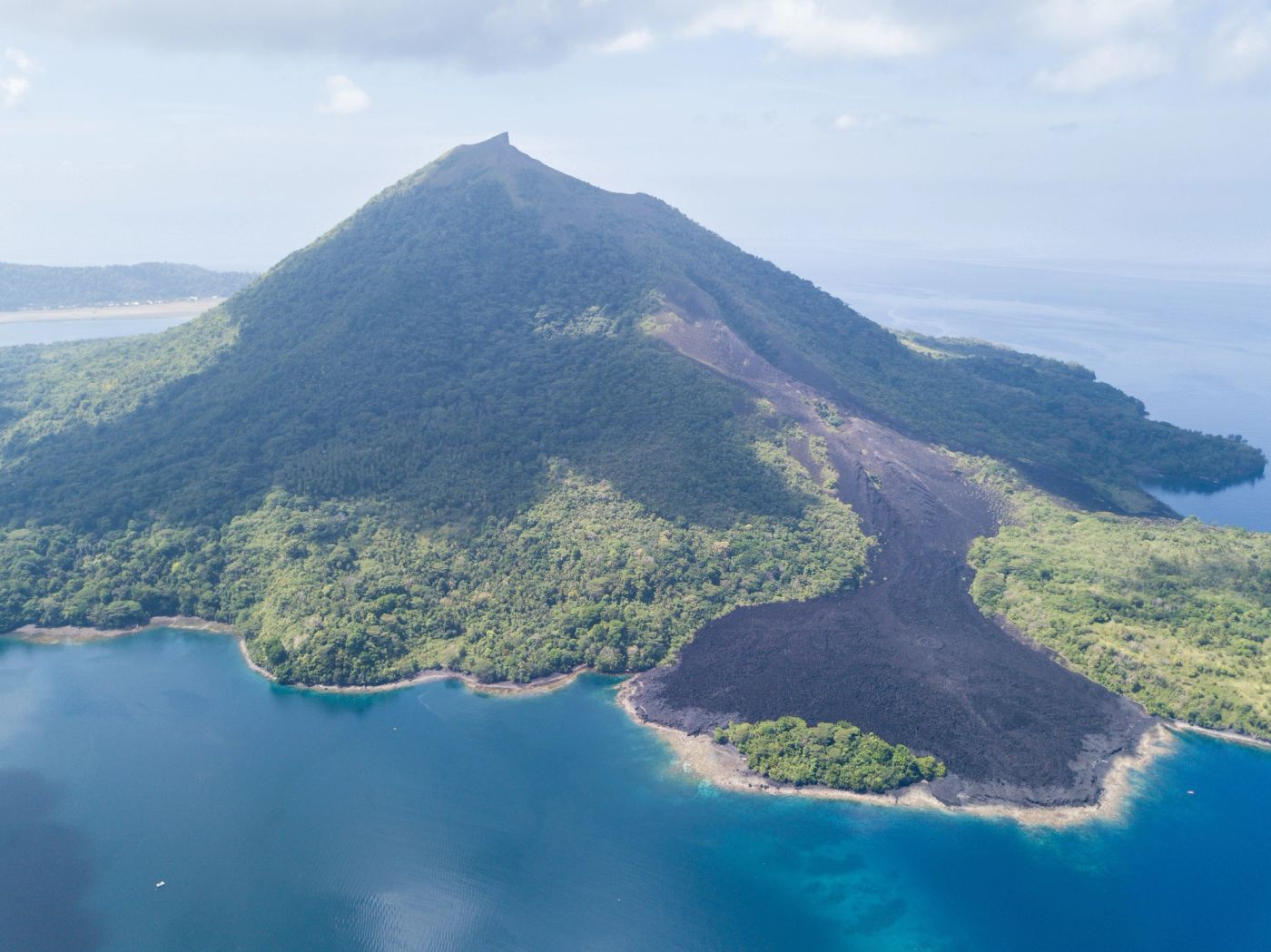
Luwuk to the Archipelago

From Luwuk port, the Banggai Islands are reached by ferry or speedboat. Public ferries run daily to Peleng (2 hours) and Banggai Island (3.5 to 4 hours). A charter speedboat takes 2 to 3 hours to the main islands. Your phinisi will typically embark from Luwuk and position overnight to the first dive area.
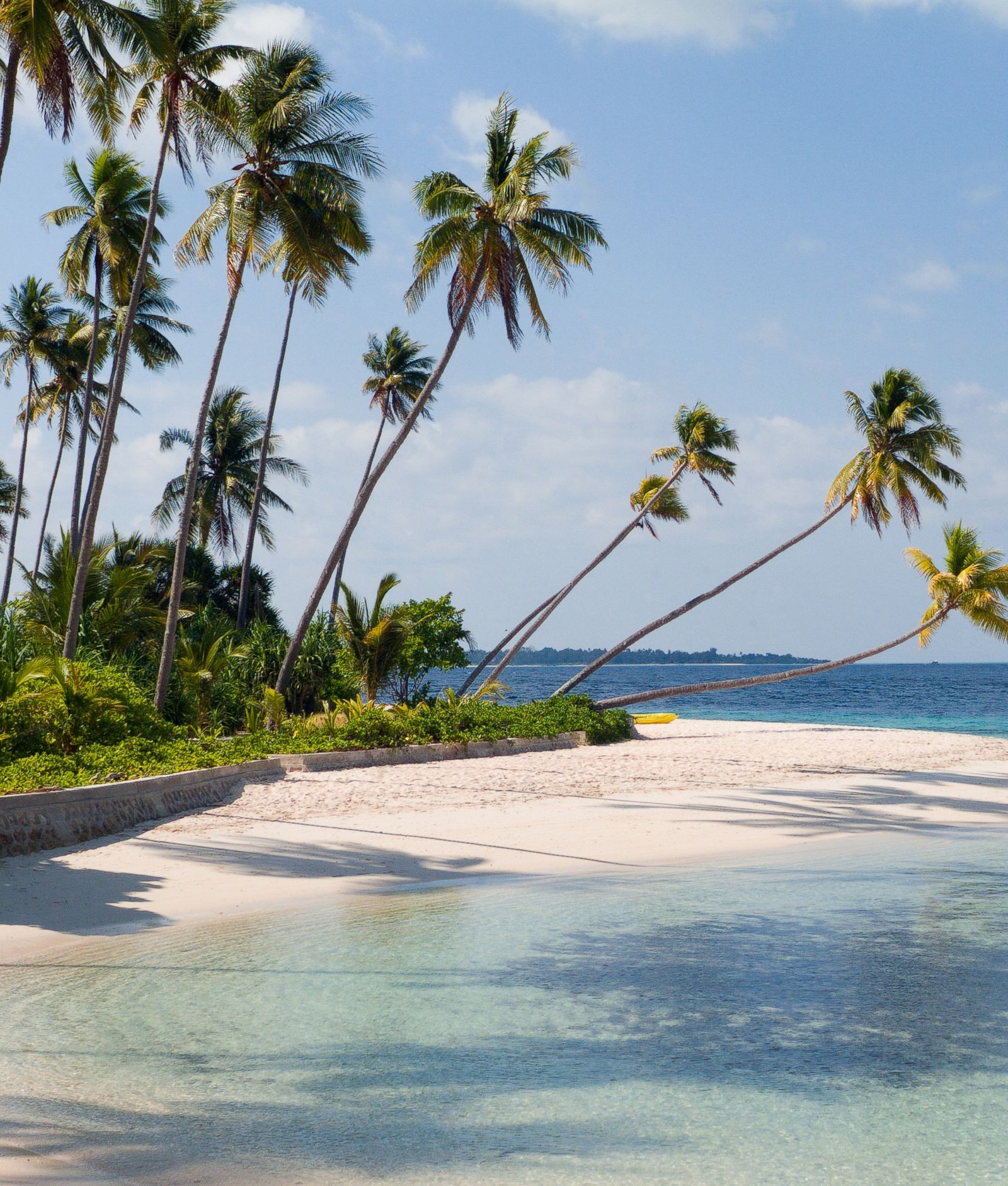
Private Aviation

Charter aircraft from Bali or Makassar to Luwuk is possible and significantly shortens transit time for guests wanting maximum time on the water. We can connect you with aviation operators familiar with the Luwuk route.

LUW airport Code · 2-3 hrs speedboat to Islands · 27-31°C year-round water temp

Read the full guide
"

This is what diving in Komodo felt like thirty years ago, before anyone knew it existed. Walls that have never had another diver on them. The cardinalfish around every rock. You keep thinking: nobody else has seen this today.

Indo Yachts Charter Guest, Banggai Expedition 2024

Questions

Banggai Islands FAQ

What is the best time to dive the Banggai Islands?

Offshore atoll diving is at its best October to December and March to May. Inner reef diving and cardinalfish viewing are excellent year-round. The dry season (May to October) is best for above-water exploration.

Can I see Banggai cardinalfish while snorkeling?

Yes. The cardinalfish inhabit shallow reef zones, often at 1 to 5 meters depth among sea urchins and anemones. Snorkelers with good surface buoyancy will see them clearly at sites like Bontolan Beach and Bobo Island Reef.

What diving experience do I need for Banggai?

Inner reef and cardinalfish sites suit Open Water divers. Outer atoll wall dives require Advanced certification with good buoyancy control, as some sites have strong currents. We always include sites suitable for every level in the group.

How long should I spend in the Banggai Islands?

Minimum seven nights to see the key highlights. Ten to twelve nights is ideal to properly explore the outer atolls, inner reefs, Peleng Island, and the jellyfish lake without feeling rushed.

Further Reading

From the Journal

Dispatches from the far corners of the archipelago. Yacht features, expedition reports, and the stories behind our most memorable charters.

Interested in Chartering the Banggai Islands?

Please get in touch to discuss planning your private charter.