


Before the Charter Era
Until the late 1980s, phinisis were working vessels. They carried cargo between Indonesian islands: timber, cement, rice, and spices. The idea of converting one into a luxury yacht would have seemed absurd to the Bugis traders who sailed them.
Indonesia's waters were known to a small community of adventurous divers and surfers, but there was no infrastructure for yacht tourism. No brokers, no charter agreements, no established routes. Visitors who wanted to explore the archipelago by boat hired local fishing vessels or joined the occasional expedition organized by dive operators working from shore-based camps.
The transformation from cargo trade to charter tourism happened through a combination of declining freight demand (as modern container ships replaced traditional routes), growing international interest in Indonesia's marine environments, and the vision of a few individuals who saw what a phinisi could become.
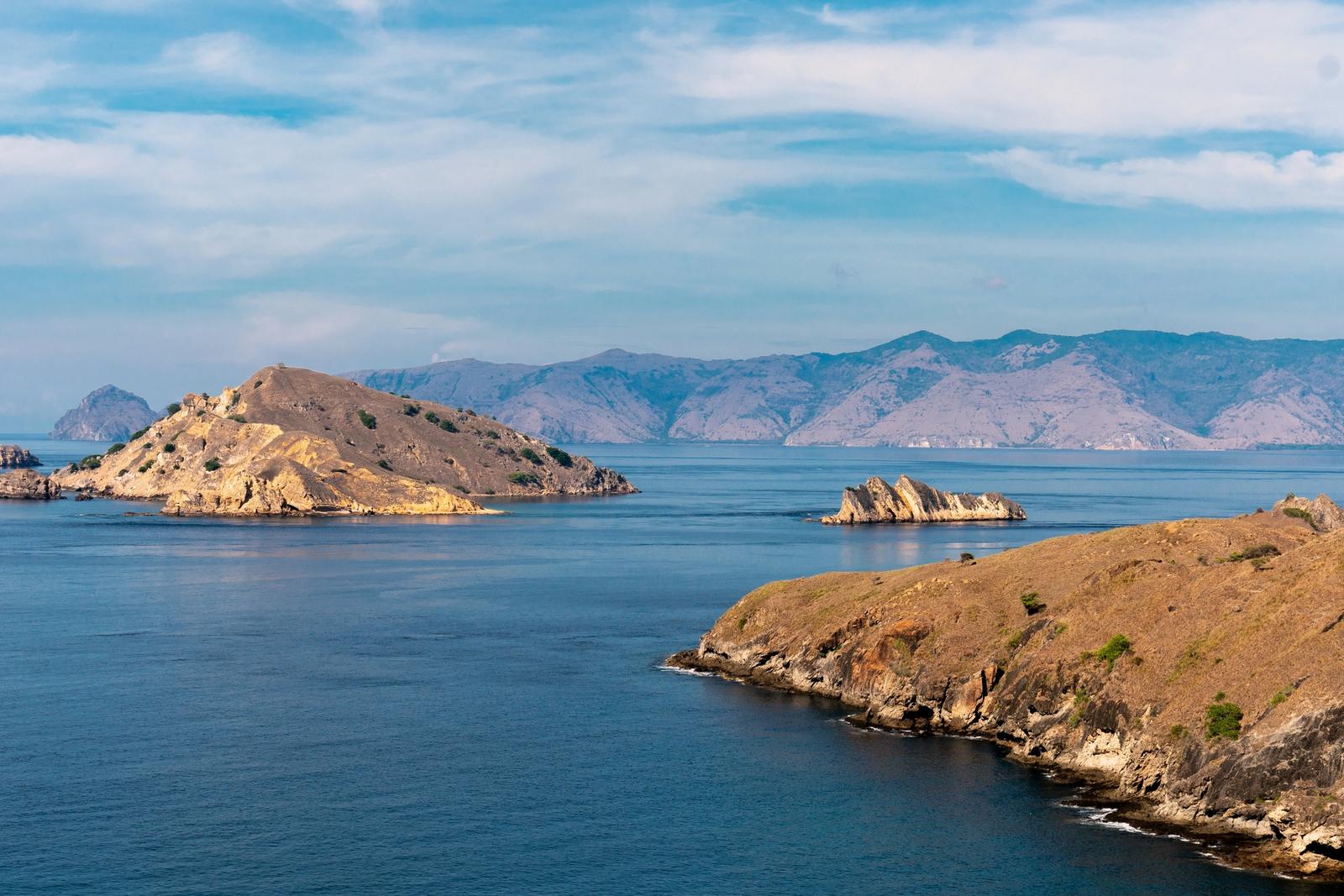
Labuan Bajo was a fishing harbour long before it became the gateway to Komodo.
The decline of traditional cargo routes was not simply a story of modernization displacing tradition. For the Bugis communities of South Sulawesi, the shift created real economic pressure. The emergence of charter tourism offered an alternative income stream that drew on the same skills, the same vessels, and the same maritime knowledge that had defined Bugis culture for centuries.
The First Charter Phinisis
The earliest conversions were rough by today's standards. Existing cargo phinisis were retrofitted with basic cabins, simple galleys, and minimal safety equipment. Comfort was secondary to access: these vessels could reach dive sites and surf breaks that no other mode of transport could touch.
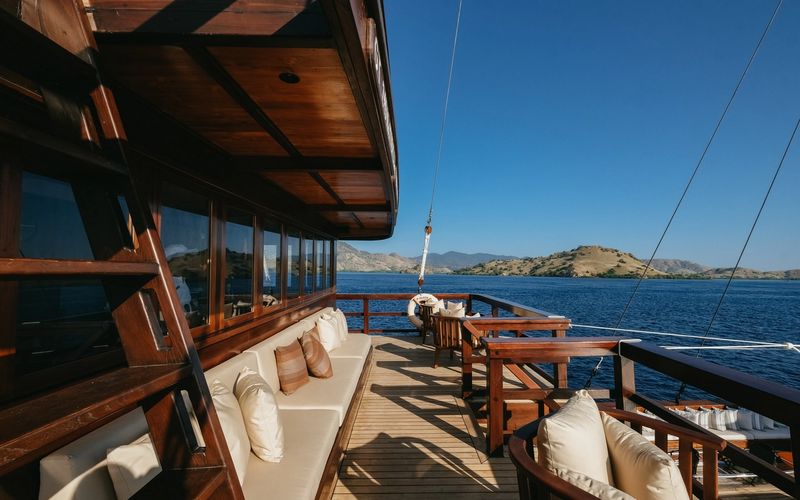
What the early operators discovered was that the phinisi itself was part of the appeal. Guests were captivated by the wooden construction, the traditional rigging, and the connection to Indonesian maritime heritage. The vessel was not merely transportation. It was an experience in the truest sense. This insight shaped everything that followed.
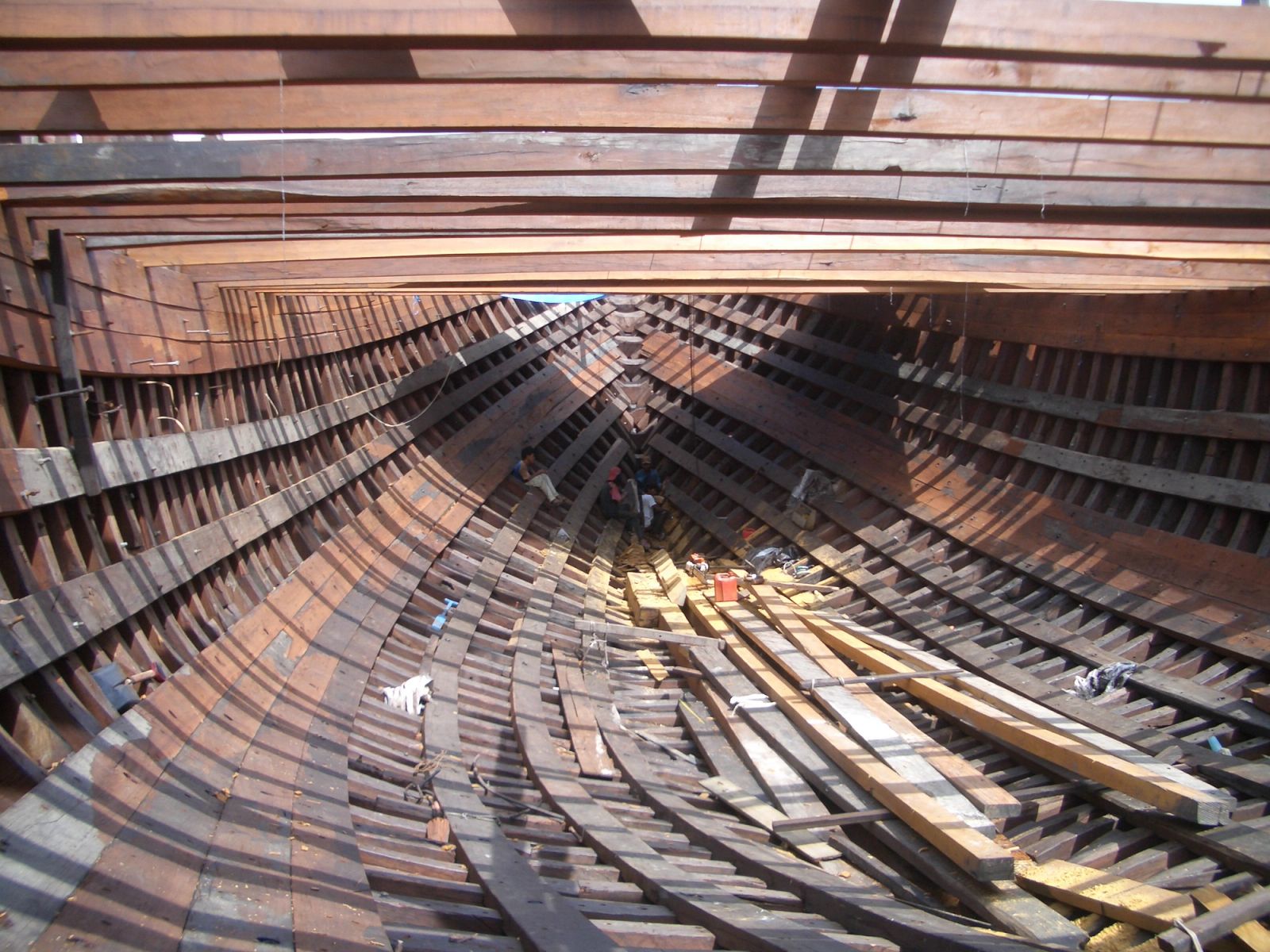
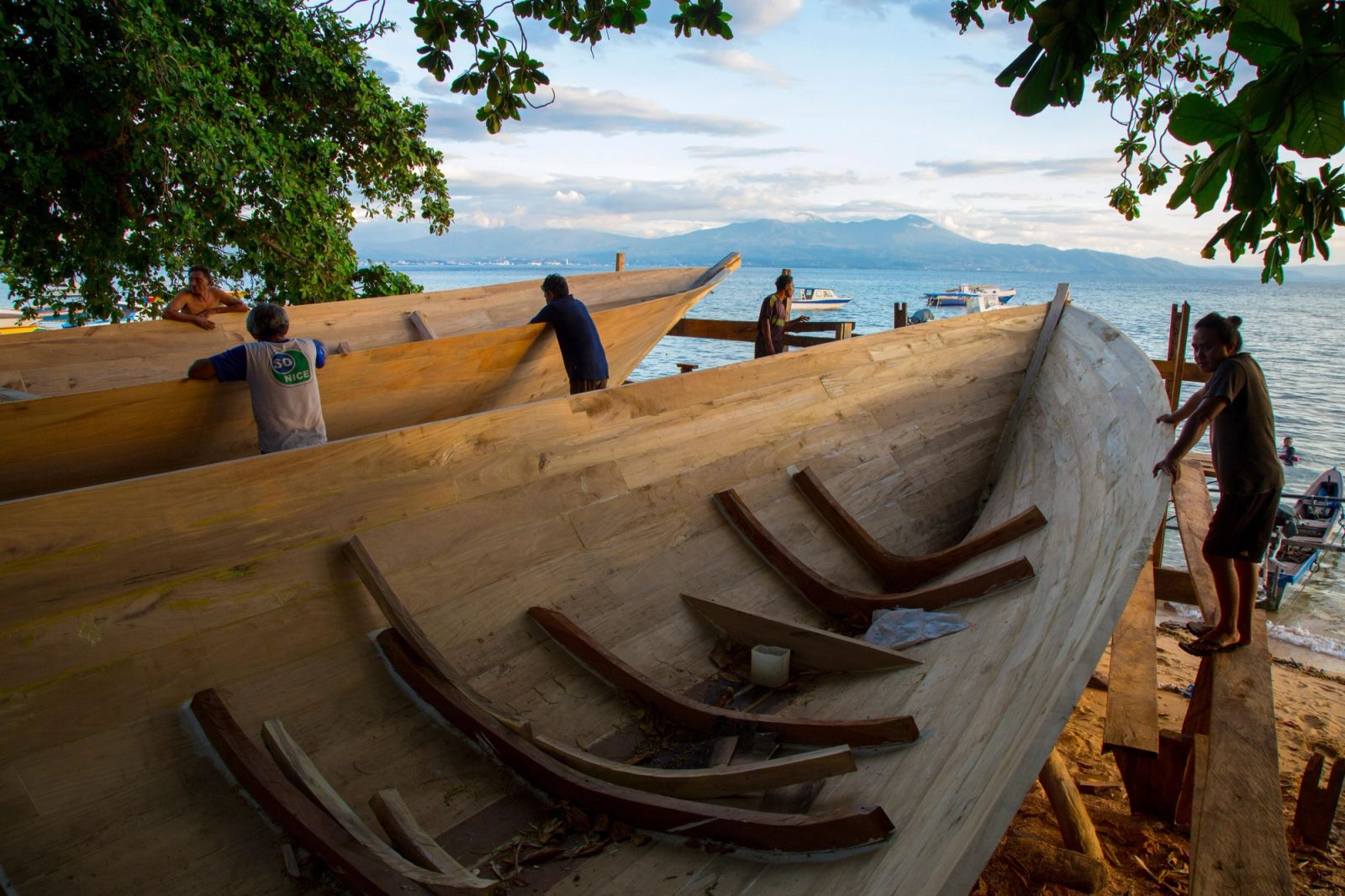
The first purpose-built charter phinisis appeared in the early 2000s. Rather than converting cargo vessels, owners commissioned new builds in the traditional shipyards of South Sulawesi, specifying luxury cabins, modern engines, and professional galleys while retaining the traditional hull form and craftsmanship. Each new build pushed the standard higher.
The Pioneers
The Indonesian charter industry was built by a small group of people, Indonesian and foreign, who shared a love for the archipelago and a conviction that others would pay to explore it properly. A few stories stand apart.
The Dive Pioneers
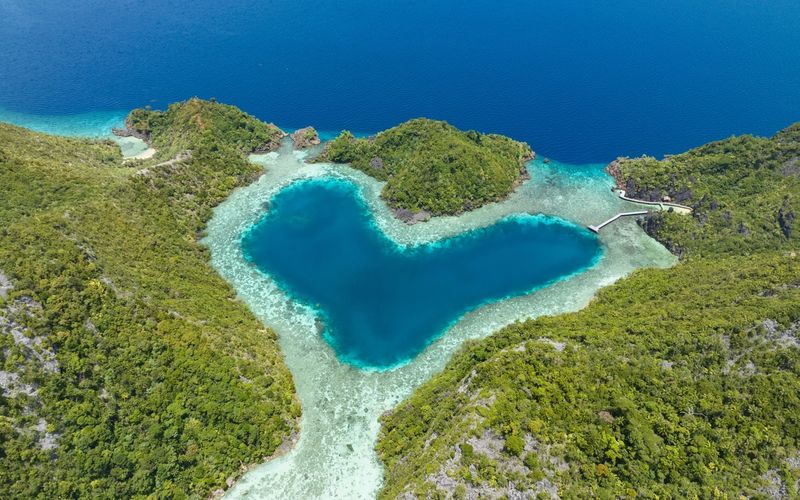
The modern story starts underwater. In 1992 the Swiss skipper Edi Frommenwiler launched Pindito, the first true liveaboard dive vessel in Indonesia, built in traditional phinisi style. When the monsoon closed his usual grounds around Flores, he sailed north on a hunch and found the reefs of Raja Ampat, which for the next decade he had almost entirely to himself, charting and naming dive sites that are famous today.
Around the same time the Dutchman Max Ammer arrived in Raja Ampat chasing sunken World War II aircraft and stayed to open its first dive resort, Kri Eco Resort, in 1994, later adding Sorido Bay. Operating as Papua Diving, he trained Papuan villagers, many of them former fishermen, as guides and boat crew, and founded a research and conservation center that still works with scientists today.
The Catalan diver Ricard Buxo brought his liveaboard Ondina north to Raja Ampat in 2003 and spent years mapping its sites, work that became Underwater Paradise, the dive guide most operators in the region still use. Guido Brink went the other way, building rather than converting: his three-masted Dewi Nusantara, launched in 2008 at 57 meters, showed that a phinisi could be built from the keel up as a liveaboard on a scale nobody had attempted.
The Scientists Who Drew the Map
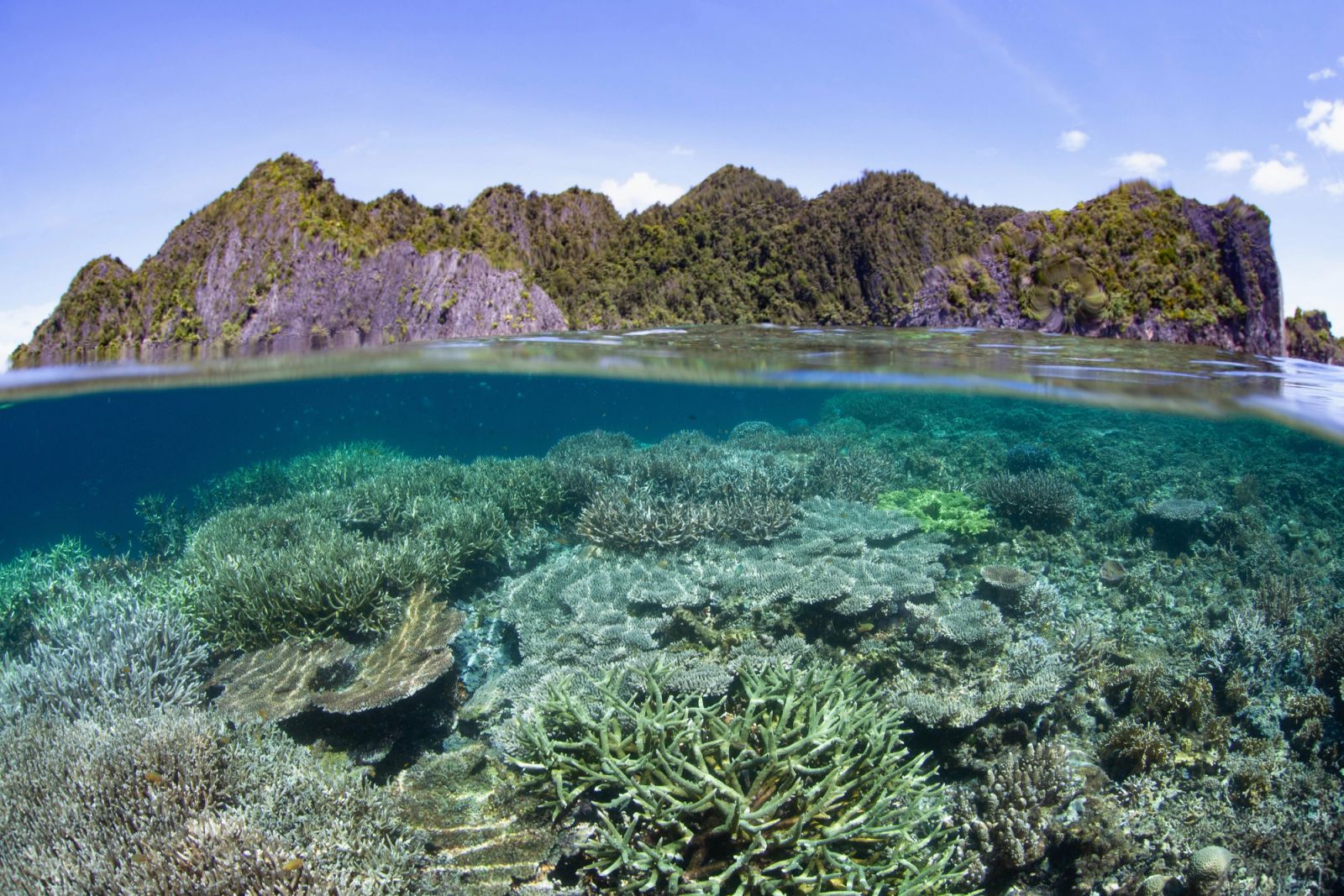
None of this would have spread as it did without the science. The ichthyologists Gerry Allen and Mark Erdmann, working with Conservation International, recorded reef-fish diversity in Raja Ampat that broke world records and confirmed the region as the richest marine environment on Earth. Their counts turned a remote frontier into a destination, and the charter fleet followed the data east.
The First Luxury Phinisi

Silolona launched in 2004 and set the standard the industry still measures against.
If the divers opened the waters, others reimagined the boat itself. In 2004 the American Patti Seery launched Silolona, widely regarded as the first phinisi built from the keel up as a luxury charter yacht rather than a converted trader. She followed it in 2012 with Si Datu Bua, both crafted by Konjo shipwrights in Sulawesi.
A decade later Mark Robba completed Dunia Baru, a 51-meter phinisi drawn by the naval architect Michael Kasten and built in the same Konjo tradition, which went on to be named Asia's best charter yacht in 2017. He sold her in 2020, and her current owners have improved her every season since, an example of how a yacht is never built only once. It is the stewardship that matters most.
The boats raised a generation of Indonesian crew as well. Dive guides such as Goris, among the first Indonesian dive masters to work the luxury fleet, carried local knowledge of these waters into a profession that had largely been the preserve of outsiders.
From Science to Charter
Some pioneers bridged both worlds. The fisheries scientist Jos Pet, long involved in Indonesia's marine protected areas, built the Seven Seas, a traditional Buginese schooner that carries charter guests and scientific expeditions alike, a reminder that the industry grew up entangled with the effort to protect the reefs that sustain it.
The Brokerage Era
As the fleet matured, so did the business around it. Indo Yachts, founded by Nikko Karki, brought international brokerage standards to a market that had long run on informal arrangements, and in 2018 became the first Indonesian company admitted to the International Yacht Brokers Association. The trade that began with a handful of wooden boats now answers to the same professional benchmarks as charter markets in the Mediterranean and the Caribbean.
Several of these landmark vessels remain in service today, their later refits layering modern comfort onto hulls that were among the first to carry charter guests through these waters.
A second wave followed, expedition conversions and new builds that grew the fleet.
Building an Industry
As the fleet grew, so did the infrastructure around it. Charter brokerages established pricing standards. The MYBA contract, adapted from Mediterranean yacht charter agreements, provided a legal framework. Safety standards improved. Crews professionalized.
Dive tourism was a major catalyst. As Raja Ampat gained recognition as the world's most biodiverse marine ecosystem in the early 2000s, demand for liveaboard and charter access surged. Komodo National Park, already famous for its dragons, became equally known for manta ray encounters and for diving among the best anywhere. These destinations needed vessels to reach them, and phinisis were the answer.
The Indonesian government's cabotage regulations require commercial vessels in domestic waters to fly the Indonesian flag under Indonesian ownership, which in practice made building locally far simpler than importing a foreign-built yacht. This created a protected market for traditional builders and ensured that the fleet retained its distinctive Indonesian character. Foreign investors who wanted to operate charter yachts in Indonesia almost always chose to build them in Indonesia, using local wood, local labor, and local expertise.
The cabotage rules were designed to protect the domestic maritime industry, not to preserve traditional craftsmanship. But the effect was the same. An industry that might have been populated by generic fiberglass motor yachts instead became a showcase for one of the world's oldest and most distinctive shipbuilding traditions. The law, almost by accident, created the conditions for something genuinely unique.
Where We Are Now
Indonesia's charter fleet spans more than a hundred vessels, from intimate two-cabin yachts to 65-meter superyachts. The industry supports thousands of jobs: builders, crew, dive guides, chefs, brokers, and the supply chains that provision and maintain the fleet.
The quality of new builds continues to rise. Recent launches combine traditional craftsmanship with contemporary design, professional naval architecture, and amenities that rival the finest yachts anywhere in the world. Build times for a top-tier charter phinisi now extend to three or four years, with interiors designed by professional studios and systems engineered to international standards.
What has not changed is the foundation. The wood is still shaped by hand. The hulls are still built shell-first. The master builders still carry the designs in their minds. And the waters these yachts sail remain among the most beautiful and biodiverse on the planet.
The pioneers who saw the potential of a phinisi as a luxury charter vessel created something that did not exist anywhere else in the world. They proved that traditional craftsmanship and modern luxury are not just compatible but complementary, and that the best way to explore Indonesia is aboard a vessel that belongs to its waters.
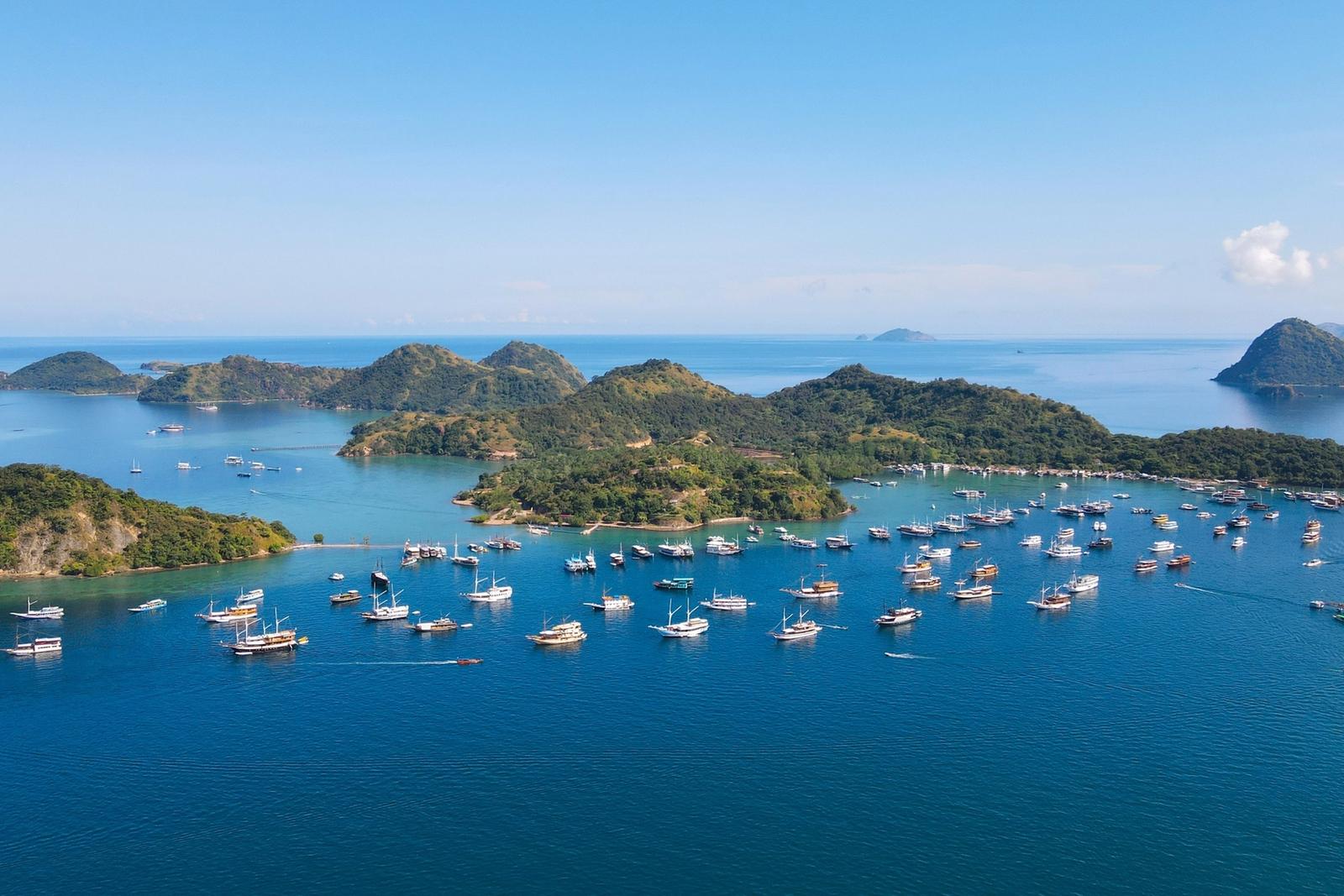
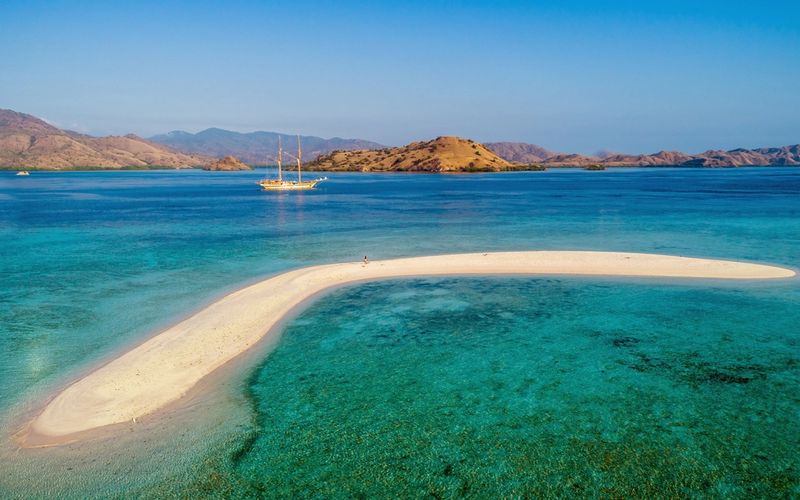
More than a hundred charter vessels now work the archipelago.