



Thousands of phinisi sail Indonesia. Perhaps one in ten is built, equipped and run to the standard our guests expect. This is what separates them, from the beach at Tana Beru to the last day of your charter.
Walk the beach at Tana Beru or Bira in South Sulawesi and you will see hulls at every stage of life. Some are rising toward launch. Others have been waiting for years, ribs open to the sky, the money or the patience behind them long gone.
The phinisi has been built here, by hand and by eye, for generations. In 2017 UNESCO inscribed the art of South Sulawesi boatbuilding on its list of the Intangible Cultural Heritage of Humanity. The tradition is real, and so is the gap between a beautiful hull and a yacht that can carry the world's most experienced travelers safely and well, season after season.
This is an honest look at that gap: what it takes to build one of these boats, what it takes to run one, and why the few that get it right are worth the effort.
Always More Time, More Money, More Know-How
There are no blueprints. The design lives in the heads and hands of the master builders, the panrita lopi, and the hull is built shell first, planks before ribs, the reverse of European practice. When the American naval architect Michael Kasten measured a Sulawesi hull against Germanischer Lloyd's specifications, he found the builders' work matched the rules within a centimeter. The knowledge is extraordinary. It is also not written down, so every owner has to learn to work with it, not around it.
The wood is the first hard problem. The best boatbuilding timber in the region is Bornean ironwood, which does not rot and resists shipworm, but it is now listed as vulnerable and its export is restricted. Some builders moved whole crews to Borneo to build near the forest. When good timber ran short in the motorized cargo era of the 1980s and 1990s, shorter planks of lesser wood went into bigger boats, and those boats wore out faster.
The second is time. Builders and agents now quote 12 to 24 months for a hull. The boats that set the standard tell a different story:
- Dunia Baru took eight years from start to finish. More than two years went into the hull and superstructure alone, and about 800 cubic meters of wood went into her.
- Silolona had no mechanical launch. It took ten days to haul her into the water by hand.
- Vela was drawn by Tresno Seery and built by the hoteliers behind a Michelin Key hotel, to carry the standard they kept on land out to sea.

What the beach yards exist to build.
The hull is also only the start. Engines, systems, safety equipment, plumbing, electrics and interiors usually come later, often in another port. Each stage adds cost, and each depends on decisions made on the beach months or years earlier.
The third is know-how. The yachts that work had someone on site who understood both worlds: the builders' tradition and the standards of an international yacht. The ones that stall usually did not. As one recent account from Bira put it, local expertise counts for more than money or time, and many dreams there are built and then quietly sunk.
Why So Few Reach International Standard
Indonesia's tourist fleet is large. In 2020 the West Manggarai regency counted about 4,000 tourist vessels operating around Labuan Bajo, most of them phinisi, and only around 500 were registered at the time. Of the few hundred phinisi offering overnight charters across the country, our own view is that perhaps one in ten is built, equipped and run to the standard an experienced international guest would expect.
That is not a judgment of the builders or the crews. Many of these boats were never meant to be luxury yachts. They serve day trips, dive groups and travelers on a budget, and they do it honestly. The difference is in what sits underneath: the hull, the machinery, the safety systems, the training, and the money spent every year to keep all of it right.
Safety is where that difference matters most. Indonesia's own maritime authorities have called for stronger oversight after a run of tourist boat accidents around Komodo, at least 15 in 2024 and 2025. The yachts we work with carry the equipment, the certification and the trained crews that the best operators insist on, and we sail them ourselves before we recommend them.
That filter is the fleet. The yachts on Indo Yachts are not a catalogue of what happens to be available. They are the ones that succeeded: built past the point where most dreams stall, kept to standard season after season, and proven in front of the hardest audience there is. Dunia Baru's eight years, Silolona's classification, the naval architecture behind Si Datu Bua, Vela and Celestia. These are not stories we collected. They are the bar a yacht clears before we put our name beside her.

The wheelhouse, where each passage is planned.
The Boat Is Only the Beginning
Once she is launched, the real work starts. A wooden yacht in the tropics needs care every year: a yard period, caulking and varnish, engines and generators rebuilt on schedule, sails and rigging checked, safety gear renewed. Skip a season and it shows.
Running a yacht in Indonesia to a five-star standard means running four businesses at once:
- A floating villa that always needs looking after.
- A five-star hotel that takes one group at a time.
- A private restaurant cooking at the level of the best dining ashore.
- A private dive center held to the same standard, with instructors, equipment and safety to match.
All of it runs on a daily schedule where the goal is the best day of the trip, every day. And it runs in some of the most remote places on earth, where provisioning is close to impossible. Fresh produce, wine, spare parts and fuel have to be planned weeks ahead, flown in, or carried from the last port. The crew have to be trained, paid, housed and looked after year round, not only in the months the boat is booked.
The guests we serve include some of the most accomplished and well-traveled people in the world. They have stayed in the best hotels and sailed on the best yachts. The standard is not whether they enjoyed the trip. It is whether it ranks among the best they have ever taken, and on the yachts we represent, it very often does.
Why It Works
The secret is not much of a secret. Indonesia delivers. The beauty is intense, the reefs are among the richest on the planet, the wildlife is unlike anywhere else, and there is a rare kind of peace in an anchorage with no other boat in sight.

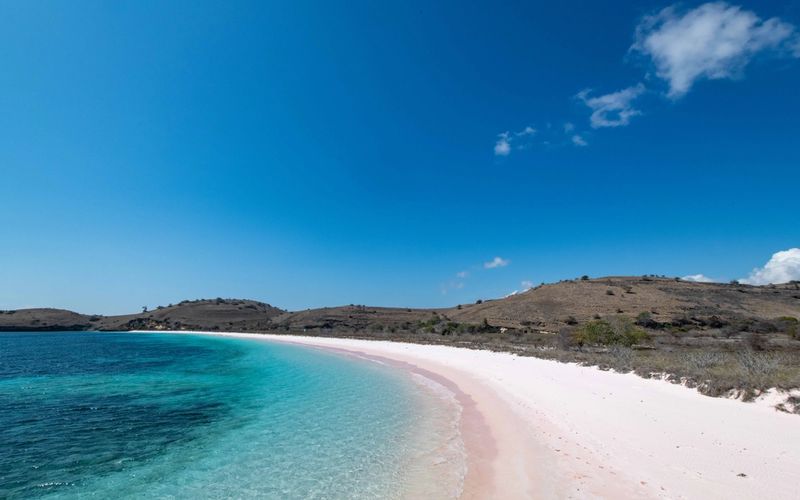
An anchorage with no other boat in sight.
And then there are the crews. They are warm and genuine. They work from before sunrise until long after dinner to make a guest's day, and they expect nothing in return. On some of our yachts, men who helped build her now sail aboard her, and they carry the builders' pride with them.

The crews are the standard.
I have spent much of my life alongside the people who build and sail these ships, and serving with them has been the honor of a lifetime. Every yacht we represent has cleared this bar. Tell us about your group and your season, and we will tell you plainly which one fits.
Continue Exploring
Dispatches from the far corners of the archipelago. Yacht features, expedition reports, and the stories behind our most memorable charters.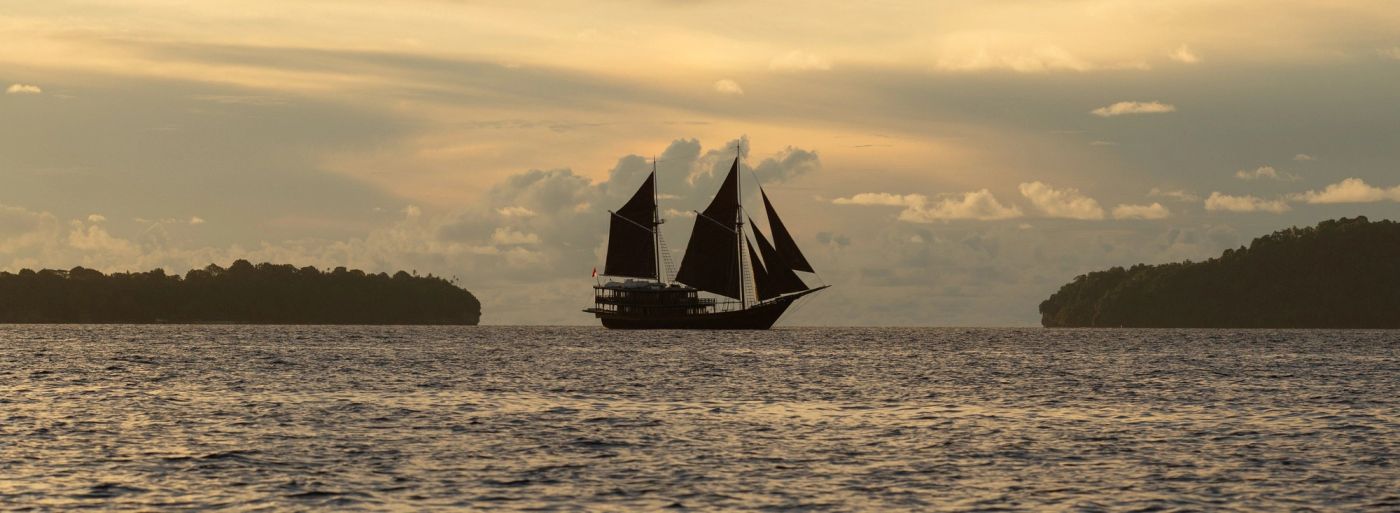
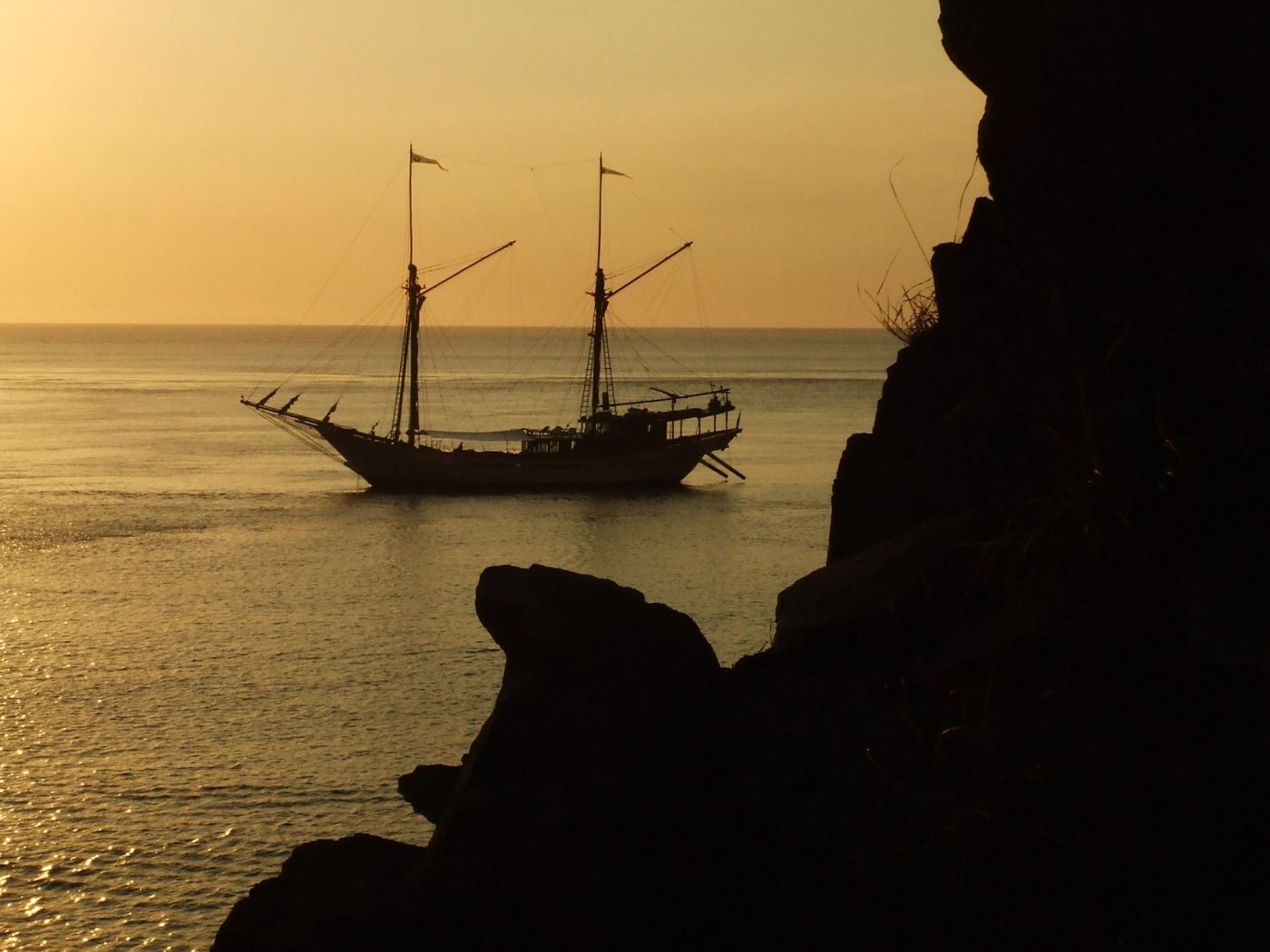
Practical Guides
Everything you need to know before chartering in Indonesia. From costs and logistics to destination comparisons and packing lists.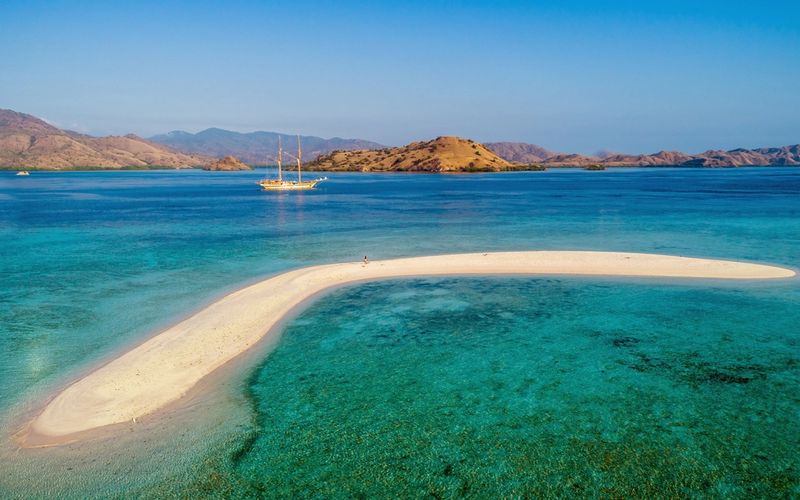
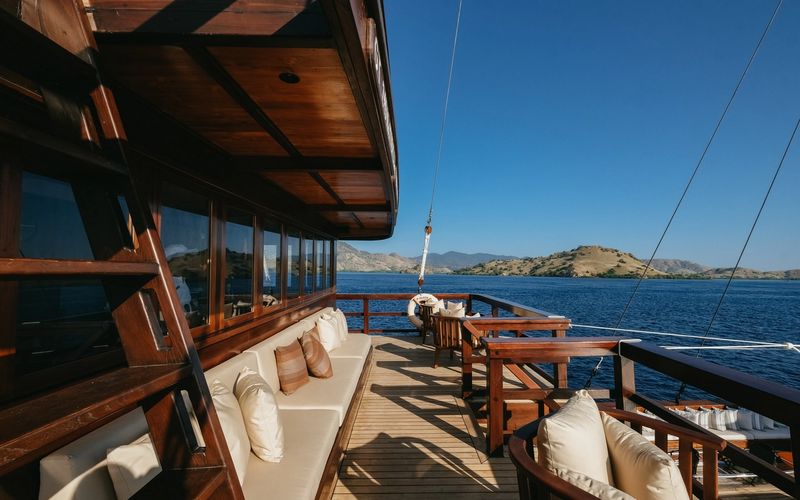
Inspired to explore?
Our team has sailed these waters for over a decade.Let us help you plan your own Indonesian adventure.